Which Gluten-Free Soups Freeze Well
What Makes a Soup Freeze Well
Broth-based soups and pureed vegetable soups hold up best in the freezer. A clear chicken broth, a smooth butternut squash soup, or a simple tomato basil soup will taste nearly identical after thawing. Water and fat form stable ice crystals that do not rupture cell walls the way dairy or starch can.
Cream, milk, and soft cheeses tend to separate and turn grainy when frozen. The fat and water in dairy split apart as ice crystals form, which leaves a curdled texture once you reheat it. Starchy ingredients like potatoes, rice, and gluten-free pasta absorb liquid during freezing and thawing, turning mushy or disintegrating into the broth. A soup thickened with a flour-based roux will thaw with a pasty, uneven consistency.
- Water content stays stable, so broth freezes cleanly without texture changes.
- Fat from meat or oil holds up well, but emulsified dairy fat breaks under freezing.
- Starches swell with ice and collapse when thawed, losing their structure.
- Pureed vegetables freeze as a uniform mass that reheats smoothly.
- Acidic ingredients like tomatoes help preserve color and flavor during storage.
Gluten-free soups that freeze perfectly
Soups with a smooth texture or hearty legumes freeze best. Lentil soup thickens naturally as it cools and thaws without separating, so you get the same velvety consistency. Bean soups, whether you use black beans, cannellini beans, or chickpeas, freeze beautifully because the starches in the beans keep the broth stable.
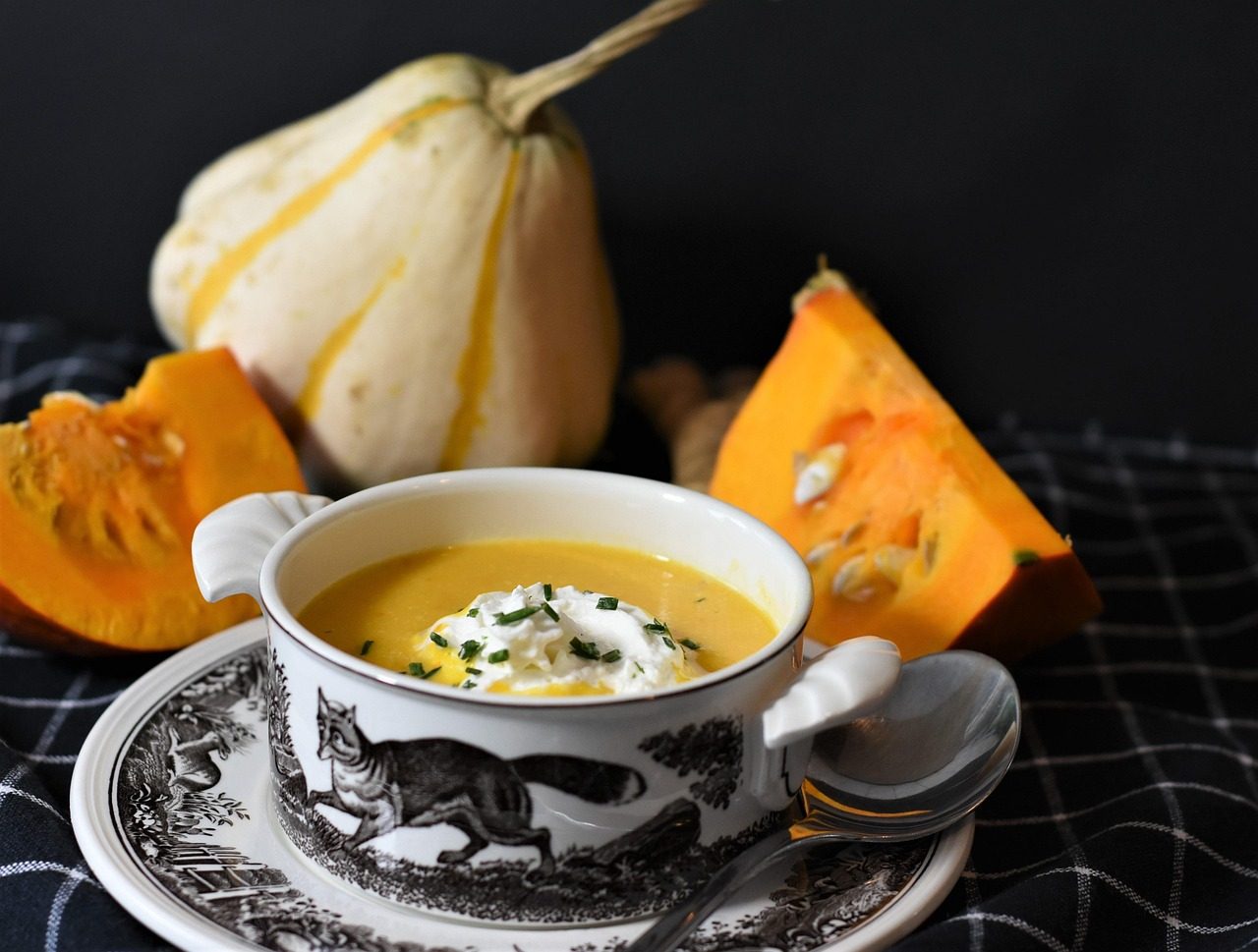
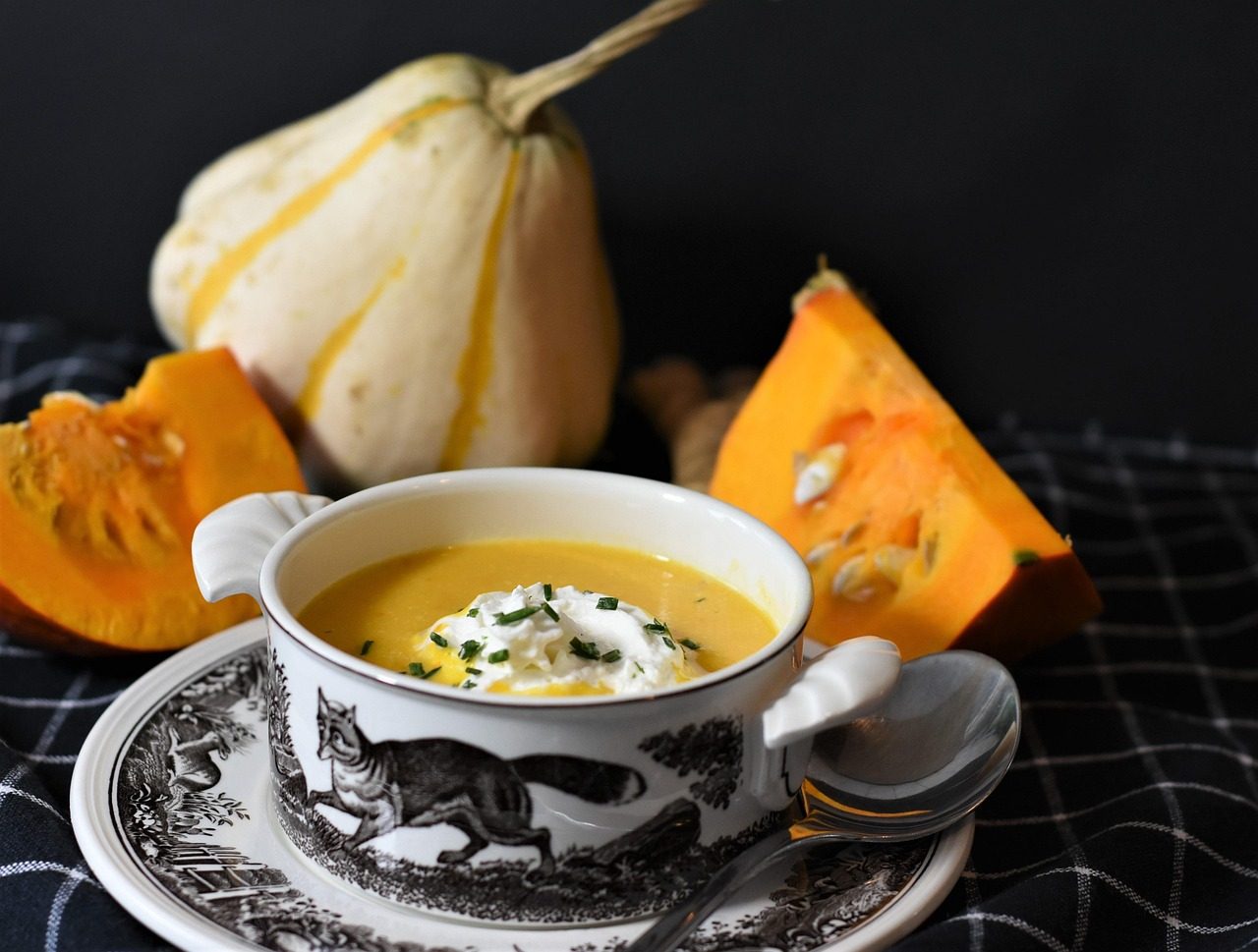
Tomato-based soups and pureed vegetable soups are reliable choices. A simple tomato basil soup or a creamy butternut squash soup freezes without any graininess or wateriness if you blend it until truly smooth beforehand. Chicken and rice soup works well, but the rice absorbs liquid over time. You can cook the rice separately and add it when you reheat, or use a sturdy short-grain rice that holds its shape.
Beef and vegetable soup freezes well because the root vegetables and chunks of meat stay firm after thawing. Minestrone is trickier. Gluten-free pasta turns mushy in the freezer. Freeze the broth with the vegetables and beans, then cook fresh gluten-free pasta to stir in when you serve it.
- Lentil soup, red or brown, with carrots and celery
- Black bean soup or mixed bean soup with smoked paprika
- Creamy tomato basil soup blended with olive oil
- Butternut squash soup with a hint of ginger
- Chicken and rice soup, with rice added fresh or cooked separately
- Beef and vegetable soup with potatoes, carrots, and parsnips
Ingredients to Avoid When Freezing Soup
Some ingredients change texture in the freezer and turn a perfectly smooth soup grainy or watery. Potatoes are the biggest culprit. They soak up liquid as they freeze, then break apart into a mealy, gritty mush when you reheat it. If your recipe calls for potato, leave it out before freezing and stir in freshly cooked diced potato when you reheat.
Dairy-based broths and cream soups often separate during freezing. Milk, half-and-half, and soft cheeses can curdle as they thaw, leaving you with an oily top layer and a grainy base. A simple fix is to freeze the soup without the dairy and whisk in cream or milk after reheating. Full-fat coconut milk freezes better than dairy cream, but it can still split slightly. Stirring vigorously while reheating usually brings it back together.
Gluten-free pasta and rice absorb moisture while sitting in frozen broth and turn mushy or bloated. Even sturdy brown rice pasta softens too much. Cook your pasta or rice separately, toss it with a little olive oil to stop it clumping, and add it to the bowl just before serving. The same rule applies to quinoa and buckwheat.
- Potatoes. They become grainy and watery. Swap for parsnips or celery root if you need a starchy vegetable that freezes better, or add cooked potato after thawing.
- Milk, cream, and soft cheese. These separate and curdle. Freeze the soup base plain and stir in dairy after reheating.
- Gluten-free pasta and noodles. They soak up liquid and turn to mush. Cook fresh pasta separately and add it when serving.
- Rice and quinoa. Both grains bloat and lose their bite. Cook them fresh and spoon the hot soup over them in the bowl.
- Cornstarch and arrowroot slurries. These thickeners break down during freezing and thin out. Use a small amount of sweet rice flour or a potato starch slurry stirred in after reheating instead.
- Egg-thickened soups. Egg ribbons or tempered egg enrichments can weep water and become rubbery. Reheat such soups gently over low heat and whisk in a fresh egg enrichment if needed.
How to pack soup for the freezer
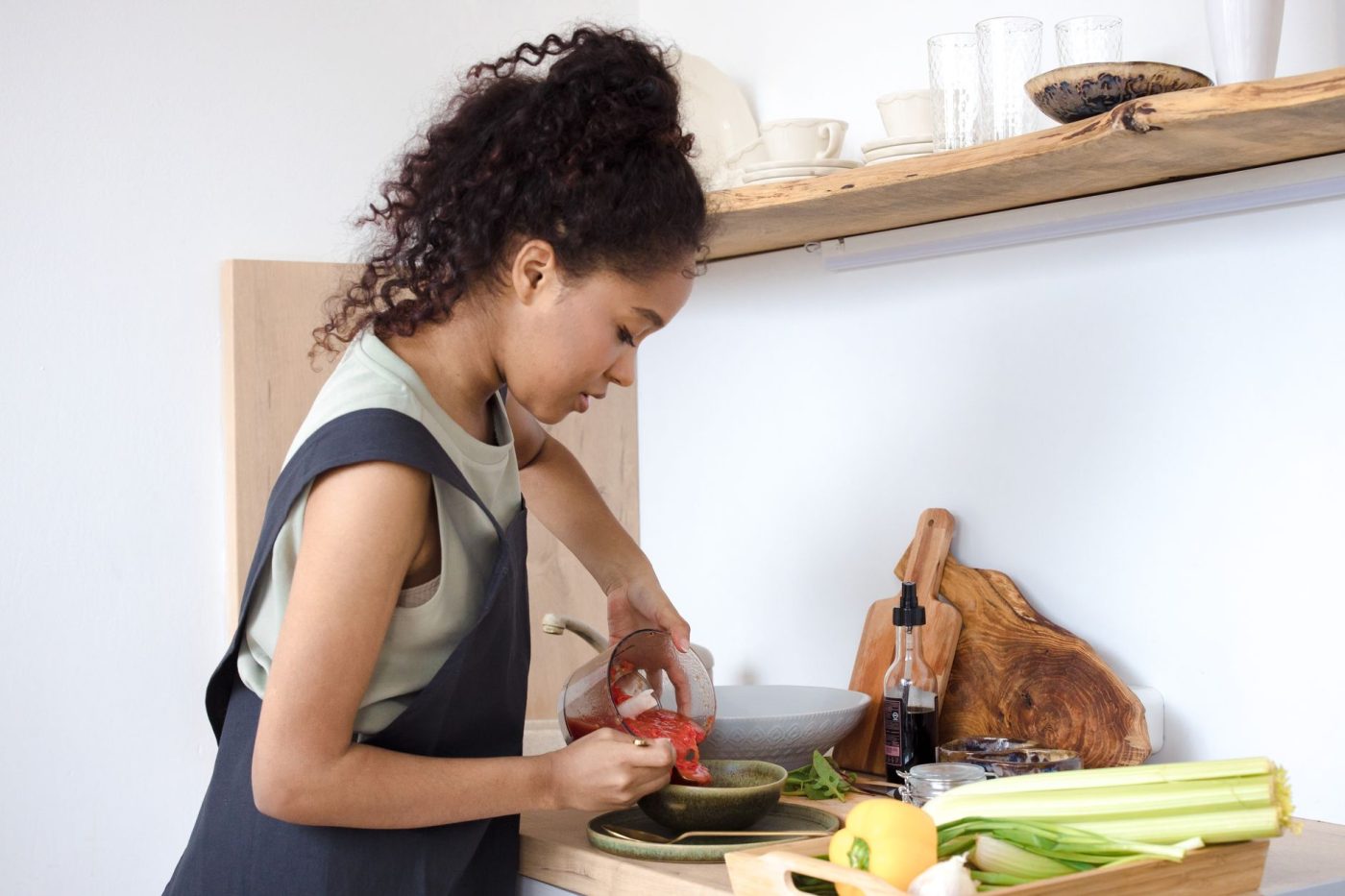
Cool the soup completely before packing. Place the pot in a sink filled with cold water and stir occasionally to speed up cooling, or transfer the soup to a shallow, wide container and refrigerate it uncovered until it reaches room temperature. Never put hot soup directly into the freezer, because it raises the temperature around it and can partially thaw nearby food.
Choose rigid containers with tight-fitting lids, or heavy-duty freezer bags laid flat on a baking sheet. Glass jars work only if they are labeled freezer-safe and have straight sides without shoulders, because soup expands as it freezes. Leave at least an inch of headspace in every container to give the liquid room to grow. For single-serving meals, ladle cooled soup into individual portions so you can thaw only what you need later.
- Use a permanent marker to write the soup name and the freezing date on every container or bag.
- Press freezer bags flat and squeeze out as much air as possible before sealing.
- Stack bags horizontally on a baking sheet until solid, then store them upright like books.
- Keep a running list on the freezer door so nothing gets lost in the back for months.
How to Thaw and Reheat Frozen Soup Safely
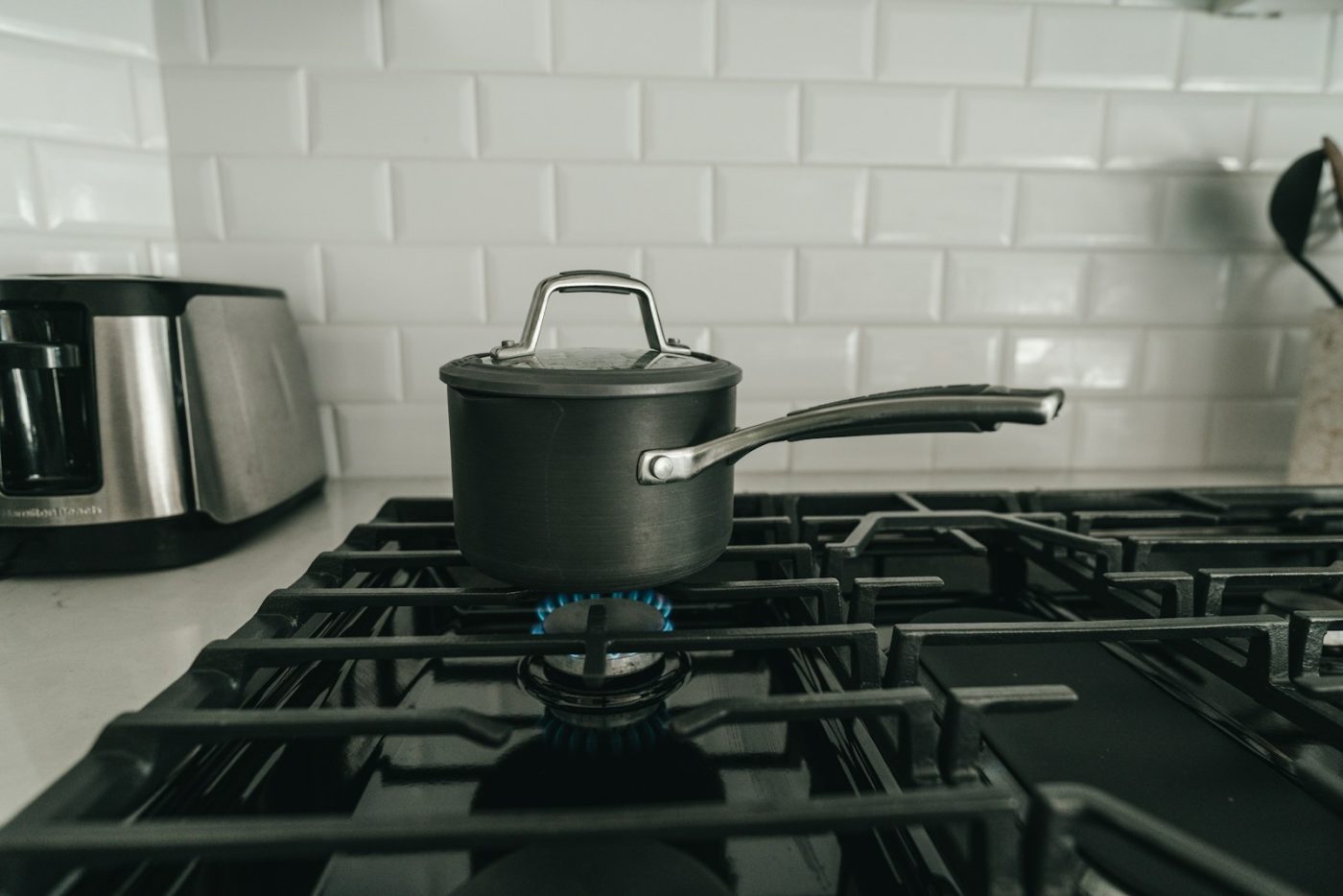
The safest method is to move the frozen container from the freezer to the fridge the night before you plan to eat it. Place the container on a small plate to catch any condensation, and let it thaw slowly for 8 to 12 hours. Once fully thawed, pour the soup into a saucepan and reheat it over medium heat, stirring occasionally, until it reaches a full rolling boil for at least one minute.
If you forgot to thaw the soup ahead of time, you can reheat it directly from frozen on the stovetop. Run the sealed container under cool water for a minute to loosen the frozen block, then slide the soup into a saucepan. Add a splash of water or gluten-free broth, cover the pot, and warm it over low heat. As the soup melts, break it apart gently with a wooden spoon and increase the heat to medium. Stir often and bring the soup to a full boil before serving.
A microwave works for a quick single serving, but stir the soup every 60 to 90 seconds to avoid uneven heating. Use a microwave-safe bowl, cover it loosely, and heat in short intervals. Always check that the soup is steaming hot all the way through and has boiled for at least 30 seconds. Soups with rice, gluten-free pasta, or beans may need an extra splash of liquid because those ingredients absorb moisture during freezing and reheating.
How long gluten-free soup lasts in the freezer
Most gluten-free soups keep their best texture and flavor for up to three months in a standard freezer set to 0°F (-18°C). Broth-based soups with vegetables and lean proteins often stay good closer to the four-month mark, while cream-based or dairy-free soups made with coconut milk or blended beans taste freshest when used within two months. The soup remains safe to eat beyond these windows as long as the freezer stays consistently cold, but the taste and mouthfeel gradually decline.
Watch for a dull, grayish surface on the frozen soup or a layer of ice crystals sitting on the food rather than on the container lid. These are signs of freezer burn, which means the soup has lost moisture and will taste flat or overly concentrated when reheated. A tight seal with minimal air inside the container prevents most freezer burn. Label each container with the soup name and the date you froze it so nothing gets lost in the back of the freezer.
FAQ
Can I freeze soup with gluten-free noodles?
Gluten-free noodles tend to turn mushy and break apart after freezing. Cook the noodles separately and add them when you reheat the soup instead.
Does cream-based gluten-free soup freeze well?
Cream-based soups often separate and become grainy when thawed. You can freeze the soup without the cream and stir it in during reheating for a smoother texture.
Can I freeze soup in glass jars?
Yes, but leave at least an inch of headspace so the liquid can expand as it freezes. Wide-mouth jars are safest, and always cool the soup completely before filling them.