Gluten Free Naan Recipe That Actually Puffs
What makes gluten free naan dough work?
Traditional naan gets its stretch and chew from wheat gluten, so a gluten free version needs a different set of tools to mimic that soft, pliable texture. This recipe relies on three elements working together: full-fat yogurt, a double-acting leavener, and intense direct heat. The yogurt adds both moisture and acidity. The acid reacts with baking powder to create the gas bubbles that give naan its signature pockets, while the fat in the yogurt keeps the dough tender rather than crumbly.
Baking powder does the heavy lifting here, which is why the recipe skips yeast entirely. Yeast-leavened gluten free doughs often turn out dense or gummy because there is no gluten network to trap the slow-forming gas. Baking powder releases most of its gas as soon as it hits liquid and again when it meets heat, so the dough puffs quickly on the skillet before the starches have time to set. A cast-iron pan or a heavy nonstick skillet preheated until nearly smoking gives the bottom of the naan that charred, blistered surface while the trapped steam inflates the top.
The dough itself is more of a thick batter than a traditional bread dough. You should be able to scoop it with a spoon and spread it into shape directly in the pan. This high-hydration approach keeps the flatbread soft after cooking. The yogurt and a small amount of oil coat the starch granules, slowing down moisture loss so the naan stays flexible long enough to fold, scoop, or wrap around a filling.
Ingredients for gluten free naan
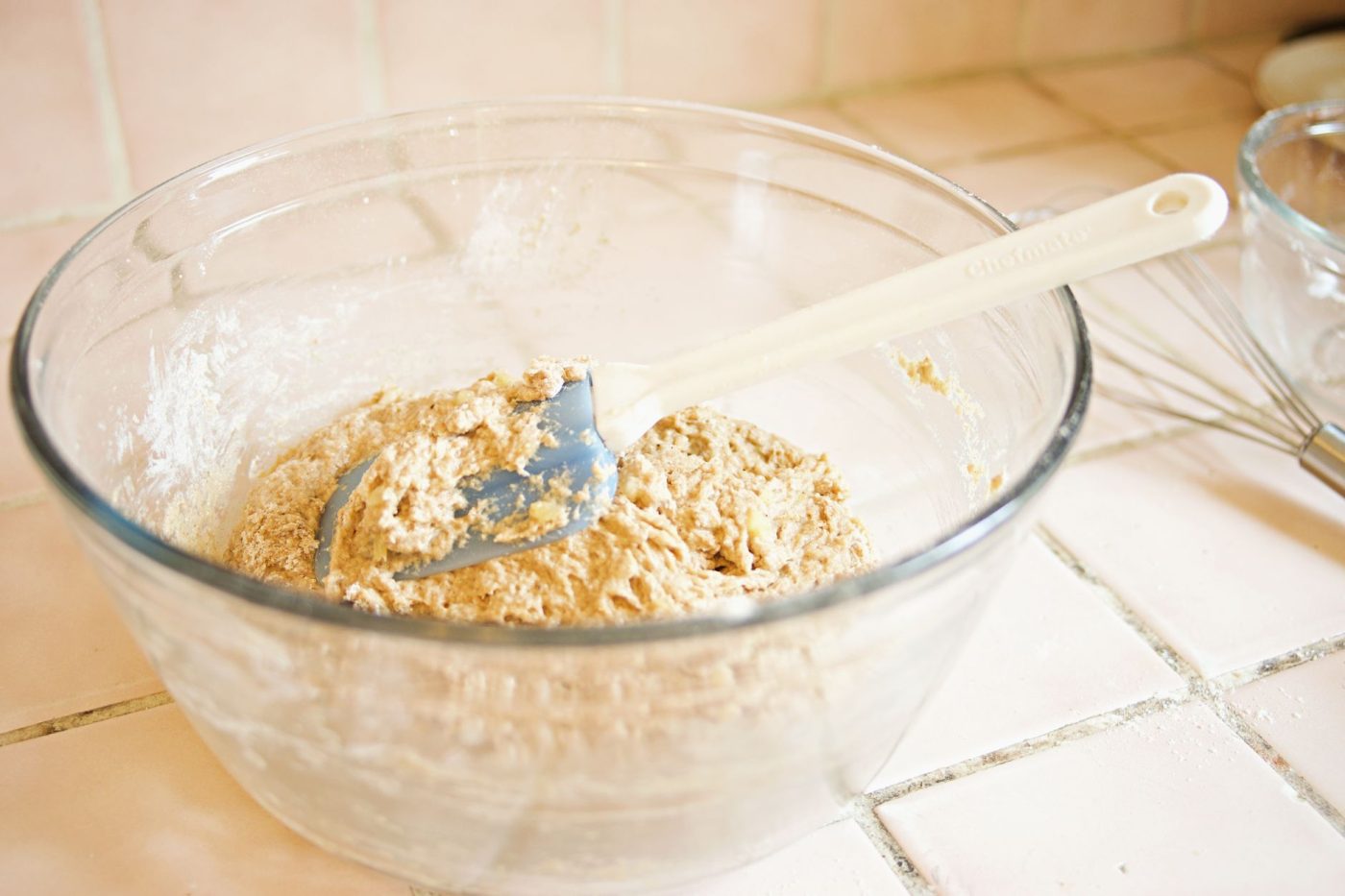
The flour blend is the most important choice because traditional naan relies on gluten for its stretch and chew. Look for a cup-for-cup blend that already contains xanthan gum or another binder. Blends built on a mix of rice flour, potato starch, and tapioca starch give a soft, pliable dough. Single-grain flours such as almond, coconut, or chickpea flour turn out gritty or dense. Pure rice flour alone makes the bread snap rather than tear.
- 2 cups (280 g) gluten free all-purpose flour blend with xanthan gum
- 1 teaspoon (5 g) baking powder
- ½ teaspoon (3 g) baking soda
- ½ teaspoon (3 g) fine sea salt
- ¾ cup (180 ml) plain whole-milk yogurt, at room temperature
- 2 tablespoons (30 ml) olive oil, plus extra for brushing
Whole-milk yogurt adds the tang and tenderness that mimic the buttermilk or dahi used in classic recipes. Let it sit on the counter for 20 minutes before mixing. This keeps the dough from chilling the other ingredients. For a dairy-free version, a thick, unsweetened coconut yogurt works, though the naan browns a little faster in the pan.
How to make gluten free naan step by step
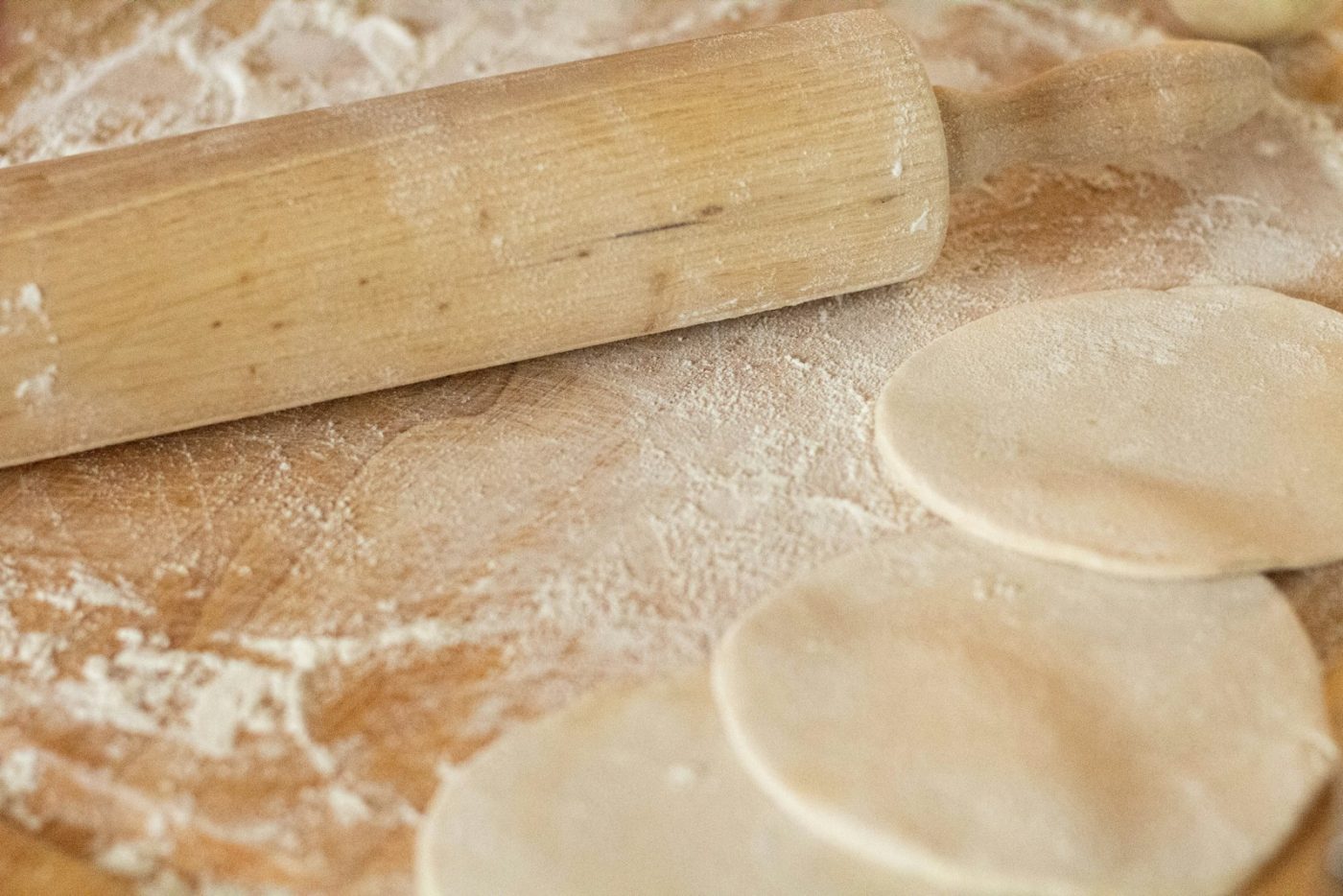
Making gluten free naan at home follows the same rhythm as traditional naan, but the dough handles differently. You shape it with wet hands or an oiled spatula rather than rolling it out on a floured surface. A hot cast iron skillet gives the charred spots and tender crumb that define good naan.
Keep a small bowl of warm water and a little oil beside your work surface. Gluten free dough is sticky; wet fingers prevent it from clinging to your hands. Work quickly once the skillet is hot so the first piece does not overcook while you shape the next.
- Heat a cast iron skillet over medium-high heat until a drop of water sizzles and evaporates instantly, roughly 400 F (200 C).
- Dampen your hands with warm water and take a portion of dough about the size of a small orange.
- Pat and stretch the dough into a teardrop or oval roughly 1/4 inch (6 mm) thick, working directly on a plate or a piece of parchment.
- Carefully lay the shaped dough onto the dry, hot skillet and cook for about 2 minutes, until the bottom has deep brown spots and the top looks puffed and set.
- Flip the naan with tongs and cook the second side for 1 to 2 minutes, pressing very gently if needed, until it has matching charred spots.
- Transfer the hot naan to a clean towel-lined basket and brush with melted butter or ghee if you like.
The dough begins to bubble and puff within the first minute. That is your cue that the skillet temperature is right. If the naan burns before it cooks through, lower the heat slightly. If it stays pale after 2 minutes, raise the heat and let the skillet recover before adding the next piece.
Tips and substitutions for the best texture
A soft, pliable naan without gluten takes a few tested tricks. The dough should feel slightly sticky before it rests. Press it with a floured finger; if it bounces back slowly, the hydration is right. A dough that is too dry bakes into a cracker, so resist adding extra flour at the rolling stage.
Dairy-free swaps work well here. Use a thick, plain coconut yogurt in place of Greek yogurt. Full-fat canned coconut milk can replace the milk. Avoid thin almond or rice milks, because they add water without enough fat, which makes the naan dry and crumbly as it cools.
- Pick a gluten-free flour blend that lists whole grain flours first, such as sorghum or millet. Blends built mostly on white rice flour and tapioca starch bake up gummy and tear when you pull the naan apart.
- Skip any blend that already contains a gum like xanthan or guar gum if your recipe adds psyllium husk. Doubling up on binders makes the dough tough and hard to roll thin.
- Add a teaspoon of psyllium husk powder to flour blends that lack it. Psyllium holds moisture during the high heat of cooking and gives naan the chewy pull of the wheat version.
- To get the signature charred spots without a gas burner, heat a cast-iron skillet over high heat until it just begins to smoke. Press the rolled dough into the dry pan and cook until bubbles form and the bottom is dark in spots, then flip and cook the other side.
- Brush the hot naan with melted butter or olive oil right as it comes out of the pan. The fat seals the surface and keeps the bread soft for serving.
How to store and reheat gluten free naan
Gluten free naan tastes best the day you make it, but you can keep leftovers soft with the right storage. Cool the naan completely on a wire rack before you pack it, or trapped steam will make the bread soggy. Stack the cooled flatbreads with a sheet of parchment paper between each one so they do not stick together.
At room temperature, keep the naan in a sealed zip-top bag for up to 2 days. In the fridge, the same bag works for up to 5 days, though the texture becomes a little firmer. For longer storage, freeze the layered naan in a freezer-safe bag for up to 3 months.
A dry skillet gives you the softest reheated naan. Warm a nonstick pan over medium heat, add the naan straight from the fridge or freezer, and heat for 30 to 45 seconds per side. The gentle steam trapped inside the bread brings back the tender chew without drying it out. Skip the microwave if you can, it tends to make gluten free flatbreads tough and rubbery.
FAQ
Why is my gluten free naan dense and not bubbling?
The skillet is probably not hot enough. Gluten free naan needs a heavy pan preheated over medium-high heat until a drop of water sizzles and evaporates instantly. Also check that your baking powder is fresh and your yogurt is full-fat, not nonfat.
Can I make this naan dairy-free?
Yes. Swap the yogurt for a thick plant-based alternative such as coconut yogurt or unsweetened almond yogurt. The dough will be slightly stickier, so dust your hands and the parchment with extra flour when shaping.
Which gluten free flour blend should I use?
A cup-for-cup blend that contains xanthan gum works best. Avoid single-grain flours like almond flour or coconut flour, they will not give you the stretch or the puff. Bob's Red Mill 1-to-1 and King Arthur Measure for Measure both perform well in this recipe.