How to Pick the Best Gluten-Free Pasta for Dinner
What base ingredients are used in gluten-free pasta?
Gluten-free pasta starts with a handful of base ingredients, each bringing its own texture and cooking behavior to the pot. The four you will see most often are corn and rice blends, brown rice alone, legume flours, and quinoa. Their differences help you match the right pasta to your sauce and dish.
- Corn and rice blend. This is the closest match to traditional wheat pasta in both color and bite. It cooks evenly and works in almost any recipe, from a quick marinara to a baked casserole.
- Brown rice pasta. Made from whole grain brown rice, it has a slightly nutty flavor and a firm, chewy texture. It holds up well with hearty sauces but can turn mushy if boiled even a minute too long.
- Legume pasta. Made from chickpeas, red lentils, or yellow peas, these noodles pack more protein and fiber. The texture is denser and the taste is distinctly earthy, so they pair best with bold, well-seasoned sauces rather than delicate ones.
- Quinoa pasta. Often blended with corn or rice, quinoa adds a subtle nuttiness and a slightly softer bite. It tends to cook quickly and benefits from a close watch on the timer and an immediate rinse in cold water after draining.
A corn or brown rice blend gives you the most neutral starting point for weeknight dinners. Single-ingredient pastas, like 100% chickpea or quinoa, bring more character to the plate and work beautifully once you know their quirks in the boiling water.
Which gluten-free pasta holds its shape best in baked dishes?
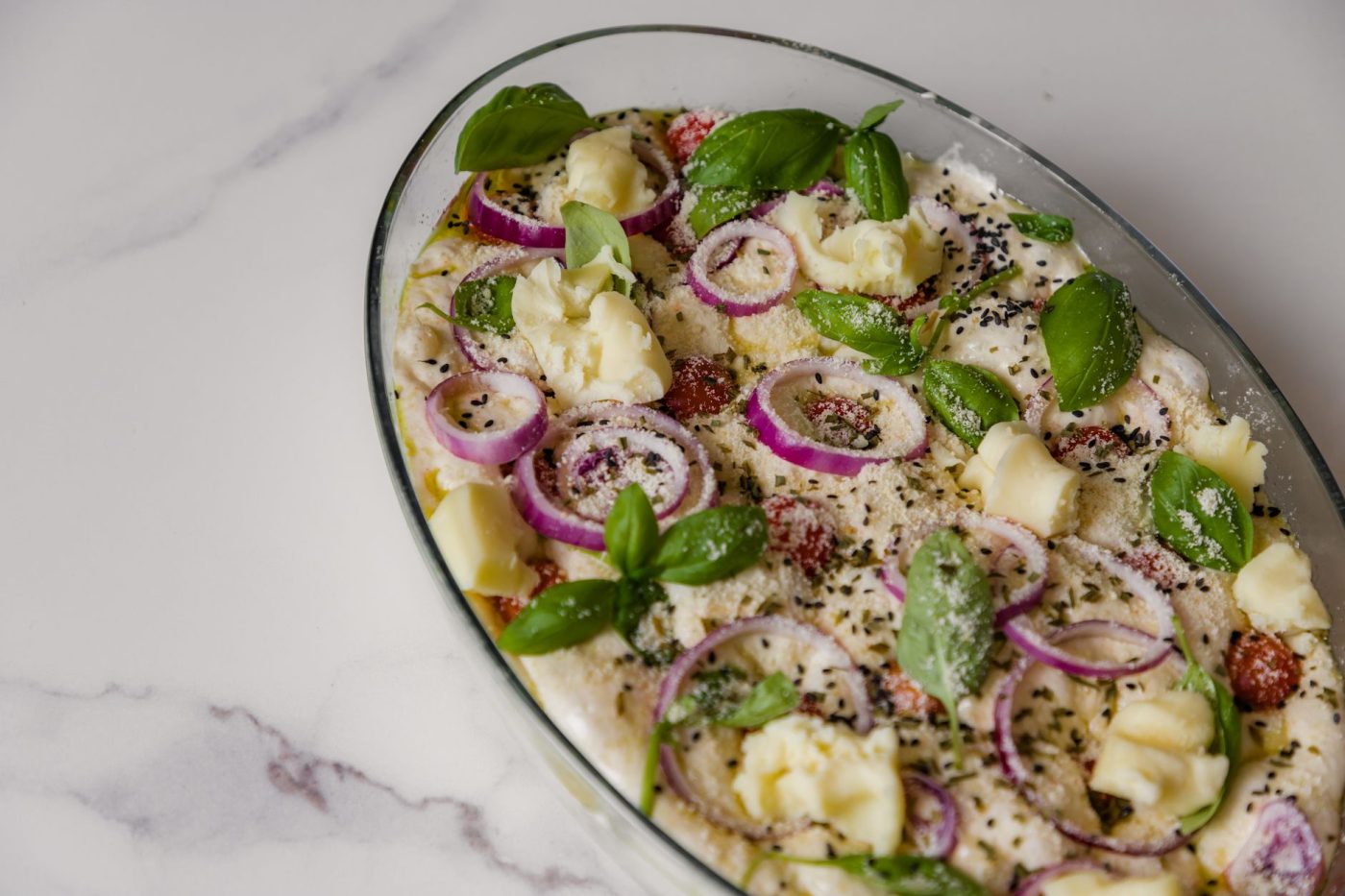
Corn and rice blends are the most reliable choice for baked dishes like casseroles and pasta al forno. Corn flour and rice flour together create a firm structure that stays intact through boiling, sauce mixing and a second round of heat in the oven. Look for brands that list corn first on the ingredient panel. A higher corn content usually means a sturdier noodle that will not collapse into mush.
Legume pastas made from chickpeas or red lentils soften noticeably during baking and tend to break apart along the edges. They work in a baked dish only when you undercook them by a full two minutes and use a thick sauce that limits how much liquid seeps in. Brown rice pasta falls between the two extremes. It holds its shape better than legume pasta but can swell and split if the casserole sits in the oven longer than 25 minutes. For a baked ziti or lasagna where you want clean layers and a bit of chew, corn-rice blends give you the widest margin for error.
Which type works best for cold pasta salads?
Legume-based pastas, especially those made from red lentils or chickpeas, tend to turn grainy and overly firm once chilled. Corn and rice blends stay tender when cold, but they can absorb dressing too quickly and become mushy by the next day. For a cold salad, the most reliable choice is 100% brown rice pasta or a quinoa-corn blend. Both hold a pleasant chew without hardening in the refrigerator.
After draining, rinse the pasta under cold water for a full 30 seconds to stop the cooking and wash off the surface starch that makes strands clump. Toss it immediately with a few spoonfuls of your dressing while it is still slightly warm. The pasta absorbs flavor during that window, then seals up as it cools. A vinaigrette works better than a creamy dressing for advance prep, since oil-based dressings coat each piece and slow down moisture absorption overnight.
How does cooking time differ between gluten-free pasta types?
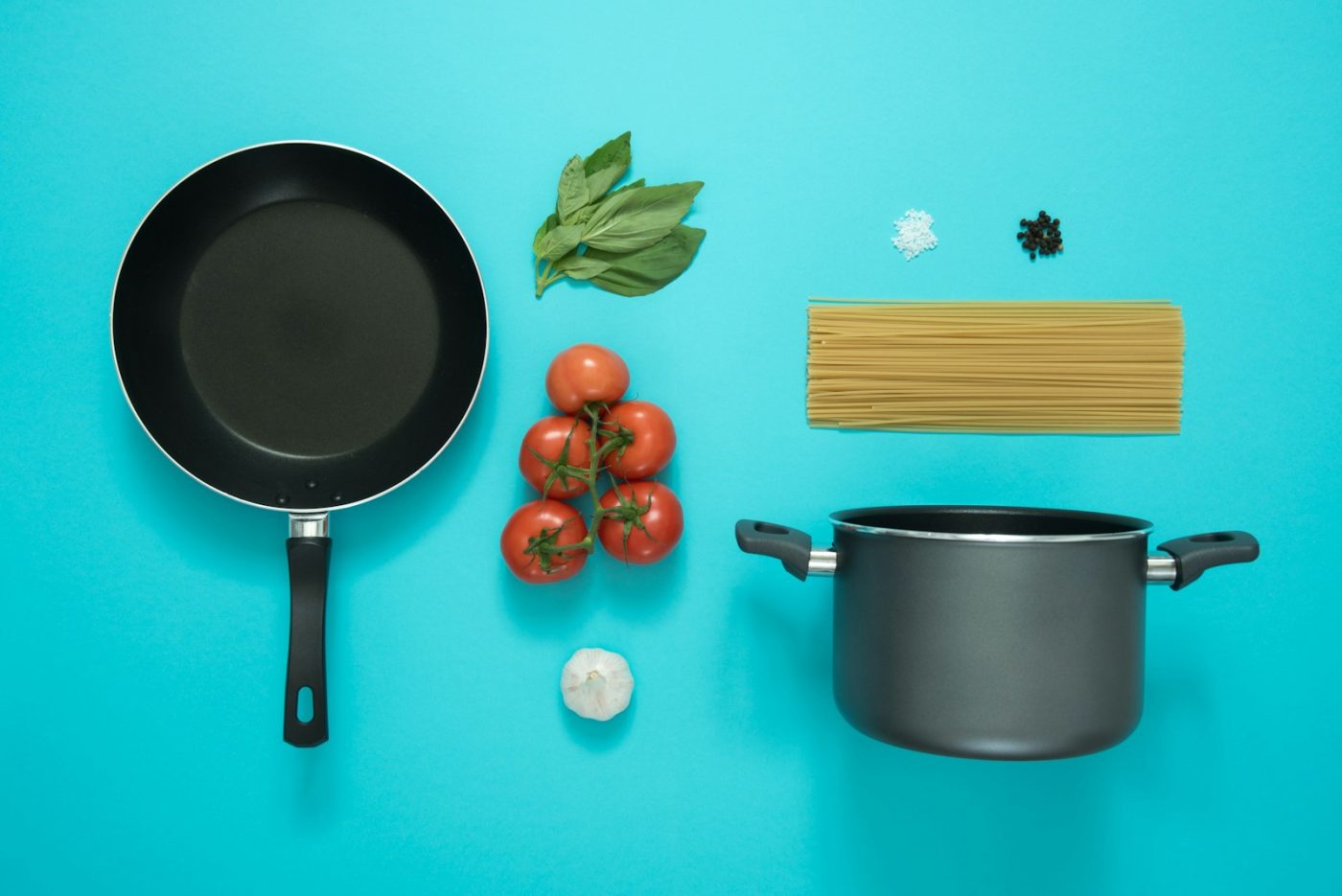
Gluten-free pasta has no single standard cooking time the way traditional wheat pasta often does. The base ingredient sets the range, and the difference between perfectly al dente and a dissolving mess can be as little as 60 seconds for some types.
Rice and corn blends typically take 7-10 minutes, which is closest to what you expect from regular pasta. These blends soften gradually and give you a small window to catch the right texture. Legume pastas made from red lentils or chickpeas cook much faster, often 3-6 minutes, and the window between underdone and mushy is narrow. You need to stand by the pot and taste a piece at the 3-minute mark. Brown rice pasta sits in the middle at 8-11 minutes and behaves well if you stir it during the first two minutes. Quinoa pasta cooks in 6-9 minutes and tends to overcook at the edges while the center stays firm, so frequent tasting matters.
Boiling times by base ingredient:
- Red lentil or chickpea pasta: 3-6 minutes. Start checking at 3 minutes and drain immediately once the chalky center disappears.
- White rice and corn blend: 7-10 minutes. Stir once after the first minute and test a piece at the 7-minute mark.
- Quinoa pasta: 6-9 minutes. The surface softens fast, so taste a strand every 30 seconds after 6 minutes.
- Brown rice pasta: 8-11 minutes. A steady simmer and an early stir help the pieces cook evenly.
- Green pea pasta: 4-7 minutes. It goes from firm to soft quickly, so keep the water at a gentle boil to avoid breaking the shapes.
- Multigrain blends with sorghum or millet: 8-12 minutes. These are the most forgiving and hold texture well even a minute past the suggested time.
Treat the package time as a starting point, not a strict rule. Boil in plenty of salted water, stir more than you think you need to, and always taste a piece a full minute before the lowest number on the range. With legume pastas, draining and rinsing under cool water stops the cooking instantly and helps you keep control.
What should I look for on the label besides 'gluten-free'?
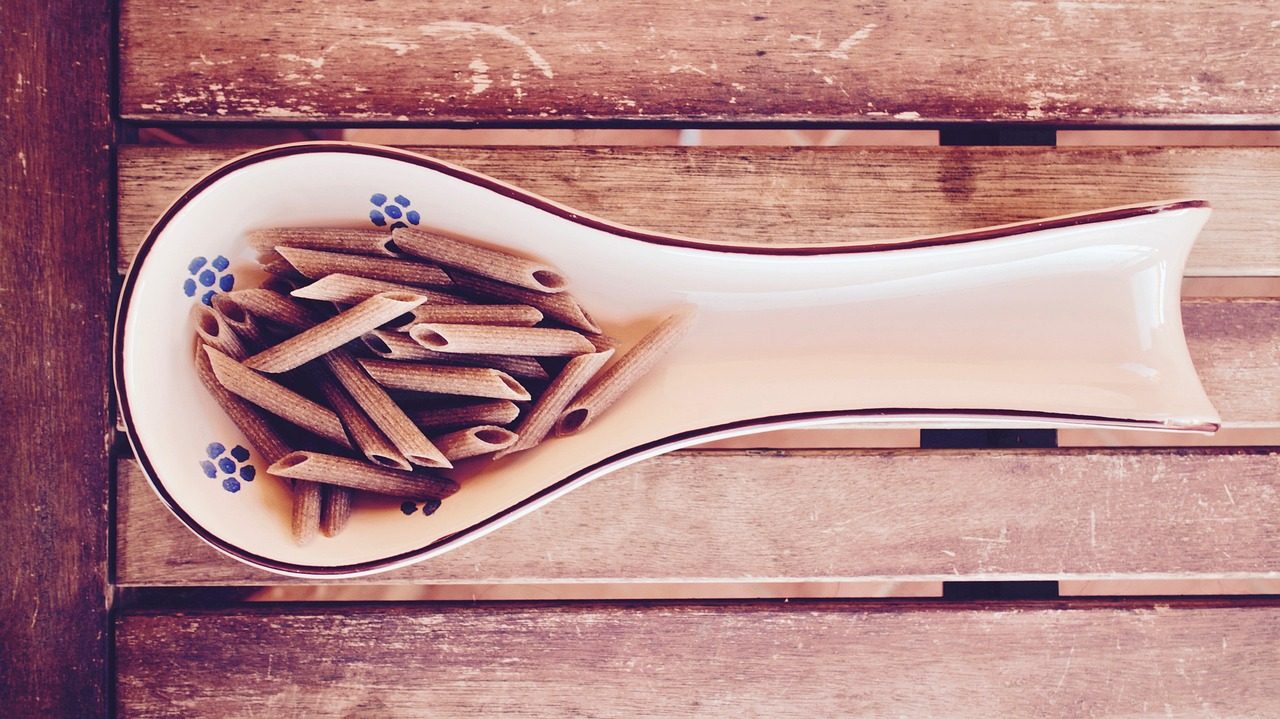
A gluten-free claim on the front is a starting point, not the full picture. The ingredient list and any voluntary statements on the back tell you how the pasta will cook and whether it is safe for someone with celiac disease. A product labeled simply "gluten-free" must meet the FDA standard of under 20 parts per million, but the details below help you separate a reliable weeknight staple from a box that turns to mush.
Look for these markers on the label before you buy:
- Certified gluten-free seal. A logo from GFCO or a similar third party means the product has been tested to 10 ppm or lower. Many people with celiac disease prefer this stricter threshold.
- Cross-contamination warnings. Phrases like "made in a facility that also processes wheat" signal shared equipment. The pasta may still test under 20 ppm, but the risk is higher than in a dedicated gluten-free facility.
- Xanthan gum or guar gum. These binders replace the stretch that gluten provides. A small amount helps the pasta hold together during boiling, especially in rice- and corn-based shapes.
- Egg white or pea protein. Added protein strengthens the structure and gives the cooked pasta a chewier, more traditional bite. This is common in higher-quality blends meant to mimic semolina.
- Mono- and diglycerides. These emulsifiers keep starch granules from leaking out too fast, which reduces the sticky film that forms in the cooking water.
- Enriched or fortified flours. Some rice and corn pastas add back B vitamins and iron lost during milling. This is a nutritional bonus, not a safety concern, but it tells you the manufacturer paid attention beyond the base grain.
If you see "wheat starch" on a European import, confirm the package also states it has been processed to remove gluten to Codex Alimentarius standards. When in doubt, choose a product with a certification mark and a short ingredient list that still includes a binder.
How do I keep gluten-free pasta from turning mushy or sticky?
Gluten-free pasta can turn from perfectly tender to a sticky clump in under a minute. The starches in rice, corn, and legume flours behave differently than wheat, so a few small adjustments make a big difference.
Start with a large pot of water, at least 4 quarts for a standard 12-ounce box. Salt the water generously, about one tablespoon per quart. This seasons the pasta and helps it hold its structure. Stir the pasta immediately after adding it to the pot and again during the first minute of cooking; this prevents pieces from sticking to each other or the bottom.
Begin checking for doneness a full minute before the package time suggests. Gluten-free pasta keeps cooking from residual heat even after draining, so pulling it off the heat when it still has a slight firmness in the center gives you the best texture on the plate.
- Use at least 4 quarts of water for a 12-ounce box so the pasta has room to move.
- Salt the water with about one tablespoon per quart, the same as you would for wheat pasta.
- Stir during the first minute of cooking, then once or twice more, to prevent clumps.
- Taste a piece a minute before the lowest time on the box and drain while it still has a slight bite.
- Skip the rinse for most types; the starches on the surface help sauce cling. Only rinse if you are making a cold salad or using 100% rice pasta, which tends to be extra sticky.
- Toss the drained pasta with your sauce right away so it does not sit and form a solid mass.
FAQ
Is all corn pasta gluten-free?
Pure corn pasta is naturally gluten-free, but some brands process it on shared equipment. Look for a certified gluten-free label or a clear allergen statement. If you have celiac disease, contact the manufacturer to confirm their testing practices.
Do legume pastas taste like beans?
They have a mild earthy note, but a strong sauce or a generous amount of salt in the cooking water masks it well. Red lentil pasta tends to be the most neutral, while chickpea pasta has a slightly nuttier flavor.
Can I use the same pot and strainer as regular pasta?
A shared strainer with tiny holes can trap wheat starch. If someone in your household has celiac disease, it is safer to keep a separate colander for gluten-free pasta. A stainless steel pot that has been washed thoroughly is generally fine.
Why did my gluten-free pasta fall apart while boiling?
Overcooking is the most common cause. Start testing the pasta a full minute before the package time. Also check that you used enough water, at least 4 quarts per 8 ounces of pasta, and that the water was at a rolling boil before you added the pasta.