Gluten Free Dinner Recipes: 30-Minute Meals for Weeknights
What makes a dinner recipe safely gluten free?
A dinner is safely gluten free when every ingredient is naturally free of wheat, barley, rye, and regular oats, and nothing picks up traces of gluten during prep or cooking. The one-pan lemon herb chicken on this page relies on whole foods that are naturally gluten free: chicken thighs, fresh vegetables, olive oil, lemon juice and dried herbs. This simple approach removes most of the guesswork from a weeknight meal.
Packaged ingredients call for a quick label check, even when the food itself seems safe. Broth and stock sometimes contain barley malt or wheat-derived flavorings, so look for a gluten-free claim on the front of the carton. Single-ingredient dried spices are typically fine, but blends and seasoning packets can hide wheat flour or modified food starch as anti-caking agents. A five-second scan of the ingredient list catches those surprises before they reach the pan.
Cross-contamination in the kitchen can undo all your careful label-reading. Shared cutting boards, colanders and toasters hold onto gluten particles that transfer to otherwise safe food. If your household handles both gluten and gluten-free meals, set aside a separate cutting board for gluten-free prep and wash all tools in hot soapy water between uses. Wooden boards and scratched nonstick pans are harder to clean thoroughly, so smooth plastic or glass surfaces give you a more reliably clean start.
One-Pan Lemon Herb Chicken and Vegetables
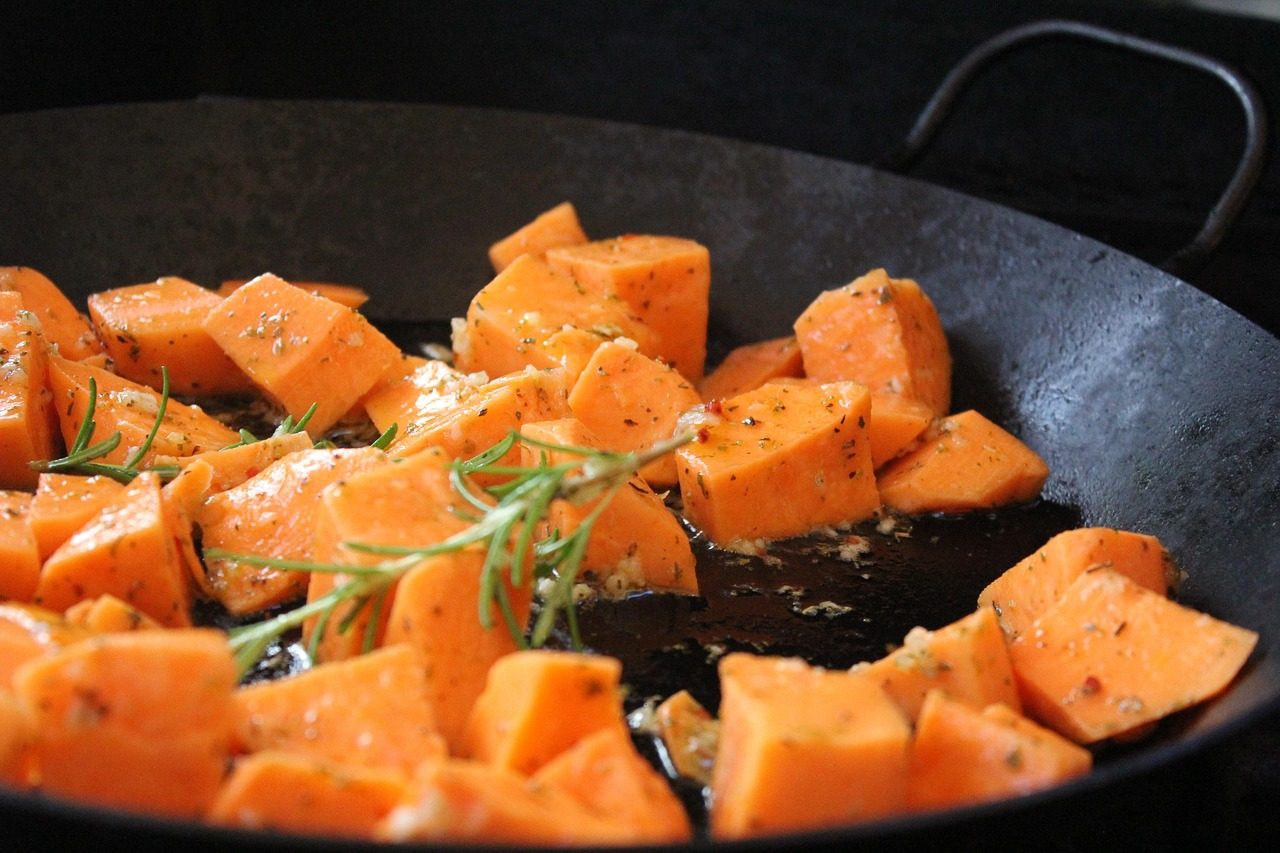
This one-pan dinner pairs juicy chicken thighs with roasted vegetables and a bright lemon herb sauce. Everything cooks together on a single sheet pan, so cleanup is quick and the flavors meld as they roast.
Facts: Prep time 10 minutes, Cook time 25 minutes, Total time 35 minutes, Servings 4.
Ingredients:
- 4 bone-in, skin-on chicken thighs (about 1½ lb / 680 g)
- 3 tablespoons olive oil (45 ml)
- 2 tablespoons fresh lemon juice (30 ml)
- 1 teaspoon dried oregano
- 1 teaspoon dried thyme
- 2 garlic cloves, minced
- 1 teaspoon salt
- ½ teaspoon black pepper
- 2 medium zucchini, cut into 1-inch chunks (about 12 oz / 340 g)
- 1 red bell pepper, cut into 1-inch pieces
- 1 small red onion, cut into wedges
Instructions:
- Heat the oven to 425°F (220°C). Line a large rimmed baking sheet with parchment paper.
- In a small bowl whisk together the olive oil, lemon juice, oregano, thyme, garlic, salt, and pepper.
- Place the chicken thighs on the prepared baking sheet. Arrange the zucchini, bell pepper, and red onion around the chicken.
- Pour the lemon herb mixture over the chicken and vegetables. Toss the vegetables gently to coat them, then turn the chicken skin-side up.
- Roast for 25 to 30 minutes, until the chicken reaches an internal temperature of 165°F (74°C) and the skin is golden. The vegetables should be tender and lightly browned at the edges.
- Let the dish rest for 5 minutes before serving. Spoon any pan juices over the chicken and vegetables.
How can I adapt this recipe with different proteins?
The one-pan method works with many proteins, as long as you adjust the cooking time so everything finishes together. Chicken thighs are forgiving because they stay moist, but other cuts and fish need a closer eye. The lemon-herb seasoning and the sheet pan temperature stay the same for every swap below.
Always check that your protein reaches a safe internal temperature before serving. For packaged items like tofu, read the label to confirm the product is certified gluten free, as some brands process their tofu in facilities that also handle wheat.
- Boneless skinless chicken breasts. Pound thicker pieces to an even half-inch thickness so they cook at the same rate as the vegetables. Roast at 425°F (220°C) for 18 to 22 minutes, turning the pan once.
- Salmon fillets. Choose center-cut fillets about one inch thick. Add them to the sheet pan during the last 12 to 15 minutes of roasting, as salmon cooks much faster than chicken thighs.
- Bone-in pork chops. Look for chops that are about three-quarters of an inch thick. They need roughly the same oven time as chicken thighs, around 25 to 30 minutes at 425°F (220°C).
- Firm or extra-firm tofu. Press the block for 20 minutes, then cut it into half-inch slices or cubes. Toss with oil and seasoning and roast for 25 to 30 minutes, flipping halfway through.
- Peeled raw shrimp. Pat them completely dry before seasoning. Shrimp cook in only 6 to 8 minutes, so scatter them over the vegetables near the end of the roasting time.
When you try a new protein, pull the pan a few minutes early and check for doneness with a quick-read thermometer. You can always return the pan to the oven, but you cannot undo overcooked fish or dried-out pork.
What vegetables work best in this one-pan dinner?
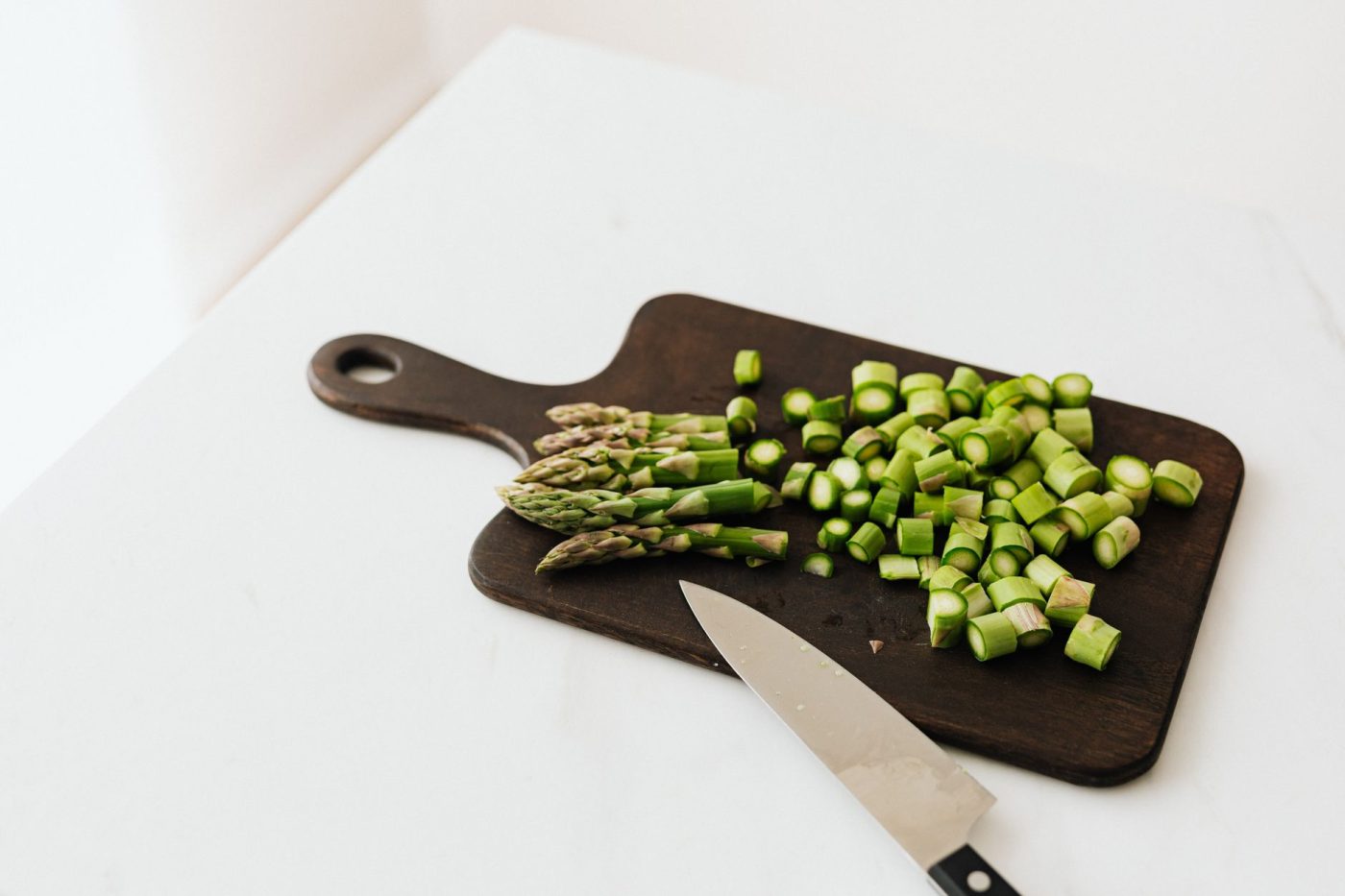
Sturdy vegetables that hold their shape and develop a good caramelized edge at 425°F (220°C) are the best choices for this sheet pan meal. The key is to match the vegetable density to the protein so everything finishes cooking in the same window, about 25 to 30 minutes. Softer vegetables will turn to mush if they go in at the start, so they need a later addition or a larger cut.
Cut all vegetables into pieces roughly the same size, about 1 to 1½ inches, so they roast evenly. Toss them with the same olive oil, salt, and pepper you use for the chicken, then spread them in a single layer with a little space between pieces. Overcrowding the pan steams the vegetables instead of roasting them.
- Broccoli florets, cut into 1½-inch pieces with a flat side down for maximum browning
- Green beans, left whole with just the stem ends trimmed
- Bell peppers, any color, sliced into 1-inch strips or 1½-inch squares
- Zucchini, halved lengthwise and cut into ¾-inch half-moons (add during the last 12 minutes)
- Sweet potatoes, peeled and diced into ¾-inch cubes so they soften fully in the roasting time
- Cherry tomatoes, left whole and scattered on the pan for the final 8 to 10 minutes
Brussels sprouts, halved, and red onion wedges also work well with the same timing as the chicken. If you are using a mix of vegetables, group the denser ones like sweet potatoes and broccoli on the hotter edges of the pan and keep quicker-cooking pieces toward the center.
How do I build more gluten free dinners from this formula?
Once you have the one-pan method down, changing the seasoning blend and the vegetable mix gives you a completely different meal without learning a new technique. The core formula stays the same: a protein, chopped vegetables, oil, a dry spice blend, and a hot sheet pan or skillet. You always check that every packaged seasoning and condiment is labeled gluten free, because blends can hide wheat starch or barley malt.
Think of the original lemon herb version as one flavor lane. Swapping the spices and the side dish moves you into another lane while the cooking time and oven temperature barely change. Here are four variations that start from the same base method:
- Taco-spiced chicken with bell peppers and onions, using a gluten free taco seasoning mix, served over cilantro lime rice or tucked into warm corn tortillas with a scoop of guacamole.
- Italian herb salmon with zucchini and cherry tomatoes, using dried oregano, basil, and garlic powder, finished with a drizzle of olive oil and a handful of fresh arugula on the side.
- Curry-roasted chickpeas and cauliflower, tossed with a mild gluten free curry powder and a pinch of salt, served over steamed basmati rice with a dollop of plain yogurt.
- Smoky paprika pork tenderloin with sweet potato wedges and green beans, using smoked paprika and a touch of cumin, paired with a simple cabbage slaw dressed in lime juice.
- Garlic rosemary shrimp with asparagus and grape tomatoes, using dried rosemary and granulated garlic, spooned over soft polenta or creamy mashed potatoes made with butter and a splash of milk.
- Ginger sesame tofu and broccoli, using a gluten free stir-fry sauce or a mix of tamari, grated ginger, and a little honey, scattered with sesame seeds and served over rice noodles.
A well-stocked gluten free pantry makes these switches quick. Keep a few labeled spice blends, a bottle of wheat-free tamari, and a bag of rice or corn tortillas on hand. When you read a label and spot malt vinegar, modified food starch without a source, or the words “spices” on a blend that does not explicitly say gluten free, set it aside and reach for a single-ingredient dried herb or a blend you trust. The same roasting pan and the same 400°F oven do the work while you handle the rest of the meal.
Tips for keeping a gluten free kitchen on busy nights
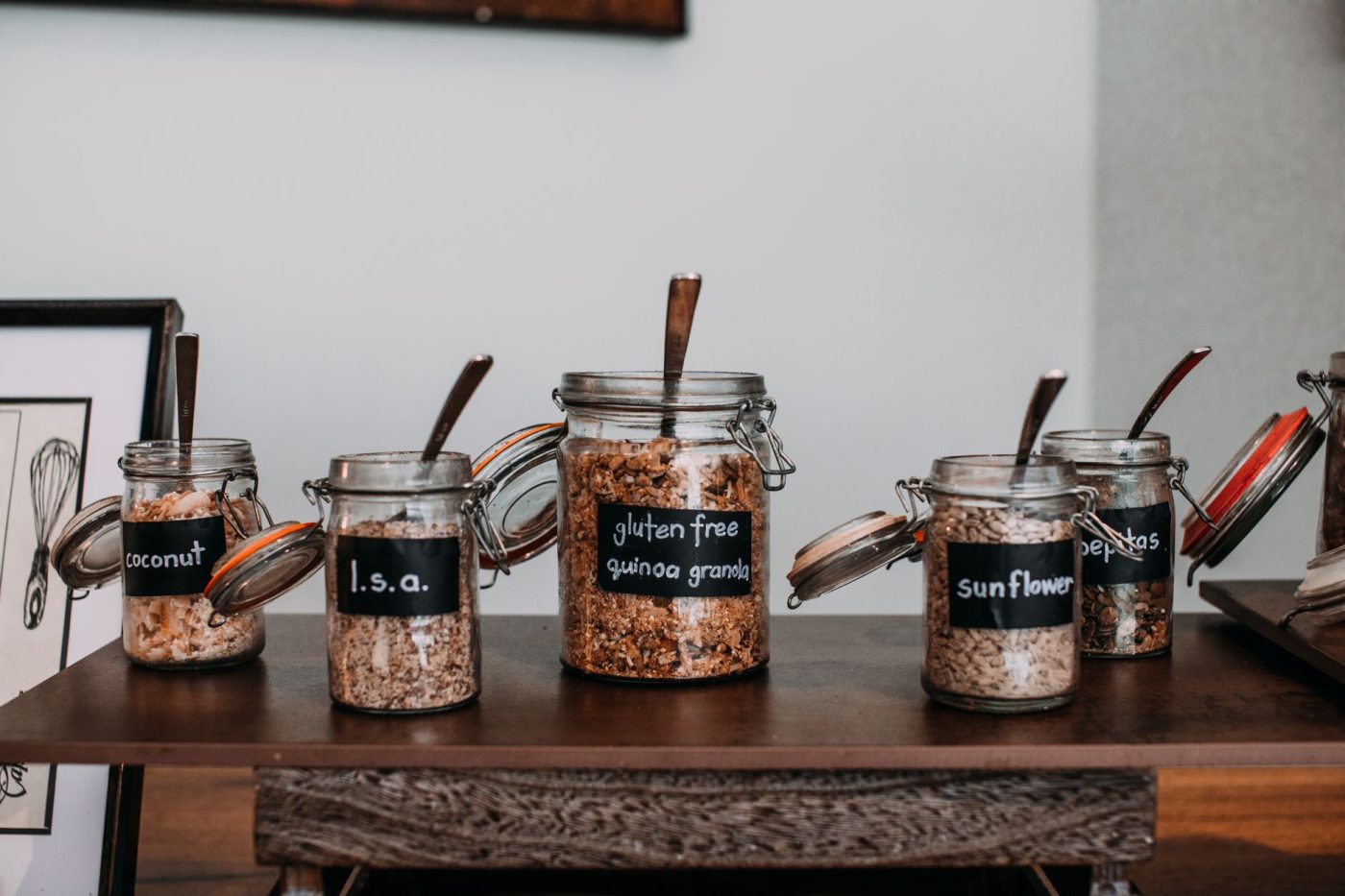
A few simple habits make weeknight cooking safer and faster. The goal is to cut down the time you spend scrubbing, double-checking, and second-guessing while you are tired and hungry.
Designate one colander and one wooden cutting board for gluten free use only. Tiny gluten particles hide in scratches and holes, and a quick rinse is not enough to remove them. A bright color or a dot of nail polish on the handle helps everyone in the house spot the safe tool at a glance.
Keep a permanent marker near the fridge and label condiment jars the moment you open them. Squeeze bottles of mayonnaise, mustard, and jam are safer than open jars because a knife that touched regular bread does not go back in. If a jar has been double-dipped with a crumby knife, treat it as no longer gluten free.
- Wash the gluten free colander first, before any floury pots and pans, so it never sits in cloudy water.
- Store gluten free flours and grains in sealed containers on a top shelf so regular flour dust cannot sift down onto them.
- Cook a large batch of plain quinoa or rice on Sunday and refrigerate it in single-meal portions to grab during the week.
- Keep a small bin of washed and chopped vegetables in the fridge so half the prep is already done when you walk in the door.
- Wipe down counters and the stovetop with a fresh paper towel and spray cleaner before you start cooking, not after.
- Teach everyone in the household that the gluten free toaster and butter dish are off-limits for regular bread.
Storing and reheating leftovers safely
Let the one-pan chicken and vegetables cool to room temperature for no more than two hours before you pack them away. Divide the meal into shallow, airtight containers so it cools quickly and evenly in the refrigerator. Glass containers with snap-on lids work well because they do not hold onto odors and you can reheat directly in them the next day.
Store leftovers in the refrigerator for up to three days. For longer storage, freeze individual portions in freezer-safe containers or heavy-duty zip-top bags for up to two months. Label each container with the date and contents so nothing gets lost at the back of the freezer.
Reheat refrigerated portions in a 350°F (175°C) oven for 10 to 12 minutes, covered with foil to trap steam and keep the chicken moist. A skillet over medium-low heat with a splash of water or broth also works and takes about five minutes. Thaw frozen portions overnight in the refrigerator before reheating. A microwave on medium power heats the meal in two to three minutes, though the vegetables will be softer than with oven reheating.
- Place gluten-free leftovers on the top shelf of the refrigerator, above any foods that contain gluten, so crumbs or drips cannot fall onto your meal.
- Use clean utensils every time you scoop out a portion from a shared container.
- Wipe down microwave turntables and oven racks with a fresh cloth before reheating if a shared kitchen is in use.
- Store gluten-free items in clearly marked containers with a colored lid or a piece of tape to avoid mix-ups.
- Keep a separate shelf or bin in the freezer just for gluten-free meals.
FAQ
Are all spices and dried herbs gluten free?
Single-ingredient dried herbs and pure spices are naturally gluten free. Blends and seasoning packets can contain wheat starch or anti-caking agents with gluten. Always read the label, and if you have celiac disease, choose brands that state 'gluten free' on the package.
Can I use chicken breast instead of thighs?
Yes. Boneless, skinless chicken breasts work well in this recipe. Because they are leaner, they cook faster. Check the internal temperature after about 18 minutes and pull them from the oven when they reach 165 °F (74 °C) to keep the meat juicy.
What if I do not have a sheet pan large enough?
You can divide the ingredients between two smaller pans. Rotate the pans halfway through the cooking time so everything browns evenly. Avoid crowding the vegetables, or they will steam instead of roast.
How do I make this recipe dairy free as well?
The recipe as written is already dairy free. It uses olive oil for roasting and fresh lemon juice for brightness. Double-check that any broth you add is labeled both gluten free and dairy free, as some brands include butter or milk derivatives.