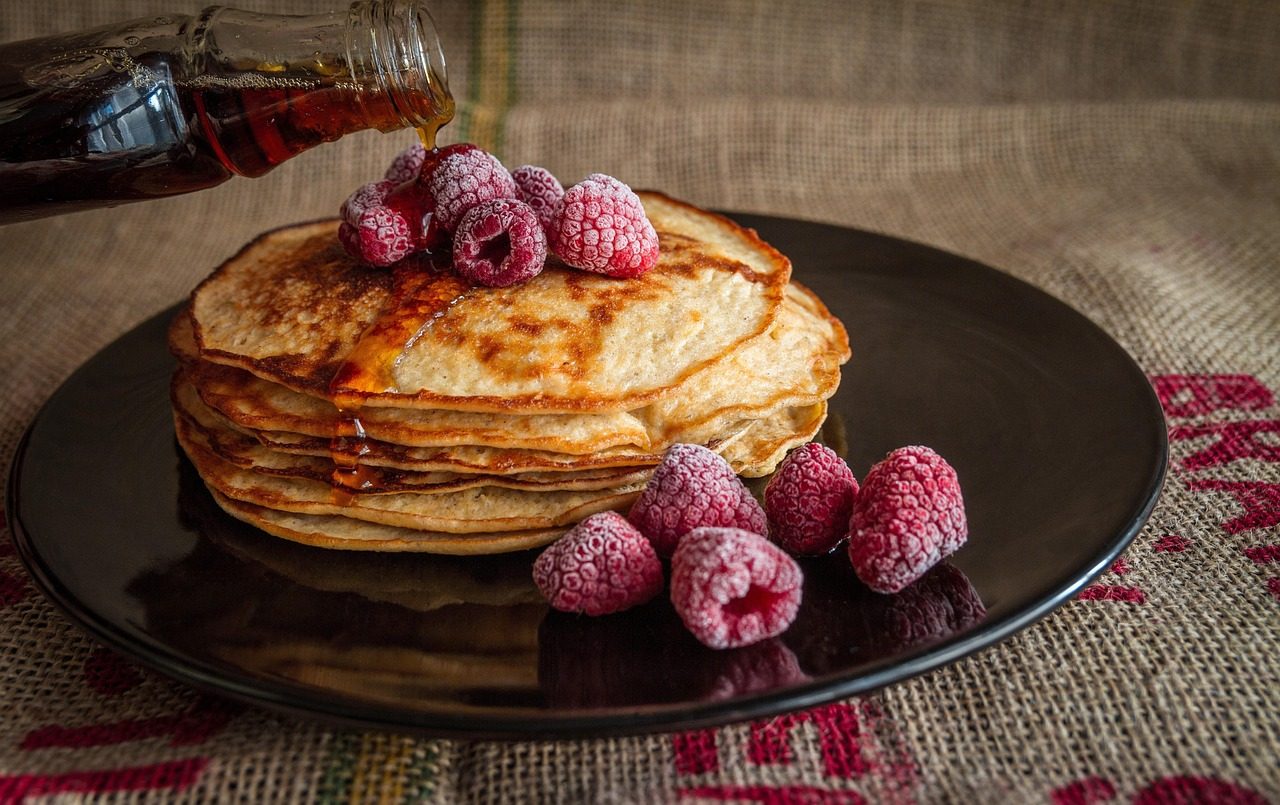
How to Freeze Gluten-Free Pancakes So They Stay Soft
Do gluten-free pancakes freeze well?
Gluten-free pancakes freeze just as well as regular ones, and often benefit from it. Without gluten to hold the structure together, these pancakes can dry out faster at room temperature. Freezing stops that process the moment the pancakes cool, locking in the moisture they still hold.
The key is wrapping them before any air reaches the surface. A well-wrapped stack keeps its soft, tender texture for weeks. Pancakes that are frozen flat on a tray first, then packed, do not stick together and are easy to pull out one at a time.
You can freeze plain, fruit-filled or chocolate chip gluten-free pancakes with the same method. The pancakes will taste fresh when reheated, with no icy spots or crumbly edges, as long as no air got into the package.
How to freeze gluten-free pancakes step by step
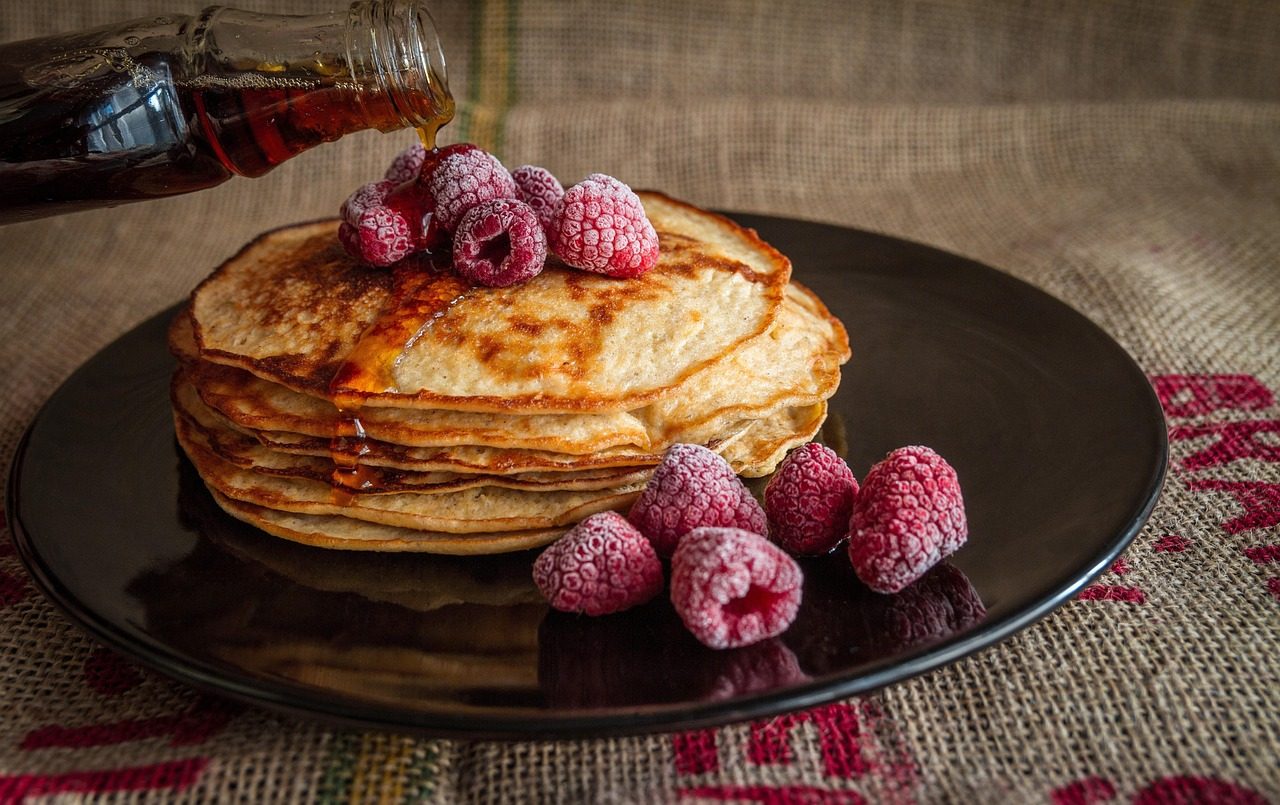
Gluten-free pancakes freeze well when you protect them from air and ice crystals. The process takes a few extra minutes on the day you cook and rewards you with pancakes that taste fresh-made on a busy morning. Work with pancakes that have cooled completely, because warm pancakes release steam that turns into frost inside the package.
These steps keep pancakes soft and easy to separate when frozen.
- Cool the pancakes fully on a wire rack. A rack lets air circulate underneath so the bottoms do not become soggy. Spread them in a single layer until they feel room temperature to the touch, about 20-30 minutes.
- Place a square of parchment paper or wax paper between each pancake. Cut the paper slightly larger than the pancake so it covers the whole surface. This keeps the pancakes from freezing into one solid block and lets you pull out just one or two at a time.
- Stack the pancakes with their paper dividers into a neat pile. Keep the stack even so the pancakes do not crack under uneven pressure later.
- Wrap the stack tightly in a layer of plastic wrap, pressing out as much air as you can. Then wrap the bundle again in aluminum foil or slide it into a heavy-duty freezer bag. Squeeze out the air before sealing the bag. The double wrap prevents freezer burn and keeps the pancakes tasting fresh.
- Label the package with the date and what is inside. Masking tape and a permanent marker work fine. Pancakes look alike once frozen, and a label saves you from guessing later.
For individual pancakes, skip the stacking step and wrap each one separately in plastic wrap, then collect them in a freezer bag. Single-wrapping is handy when you pack lunches or want a quick snack for one person.
What is the best way to thaw frozen gluten-free pancakes?
Thawing pancakes overnight in the refrigerator keeps the texture softest. Place the frozen stack, still wrapped or in its sealed bag, on a shelf in the fridge for 8 to 12 hours. The slow, cold thaw prevents condensation from soaking into the pancakes, so they do not turn gummy when you reheat them.
A quicker method is to leave the wrapped pancakes on the counter at room temperature for 30 to 45 minutes. Check them after half an hour; a thin pancake thaws faster than a thick one. This works well when you plan to eat them soon, though the texture may be slightly less tender than with a fridge thaw.
You can also skip thawing entirely and reheat the pancakes straight from frozen. Pop them into a toaster, a skillet, or an oven preheated to 350°F (175°C) and warm until heated through. This method is the most convenient and still yields a soft result, especially with a covered skillet that traps a little steam.
How to reheat gluten-free pancakes without drying them out
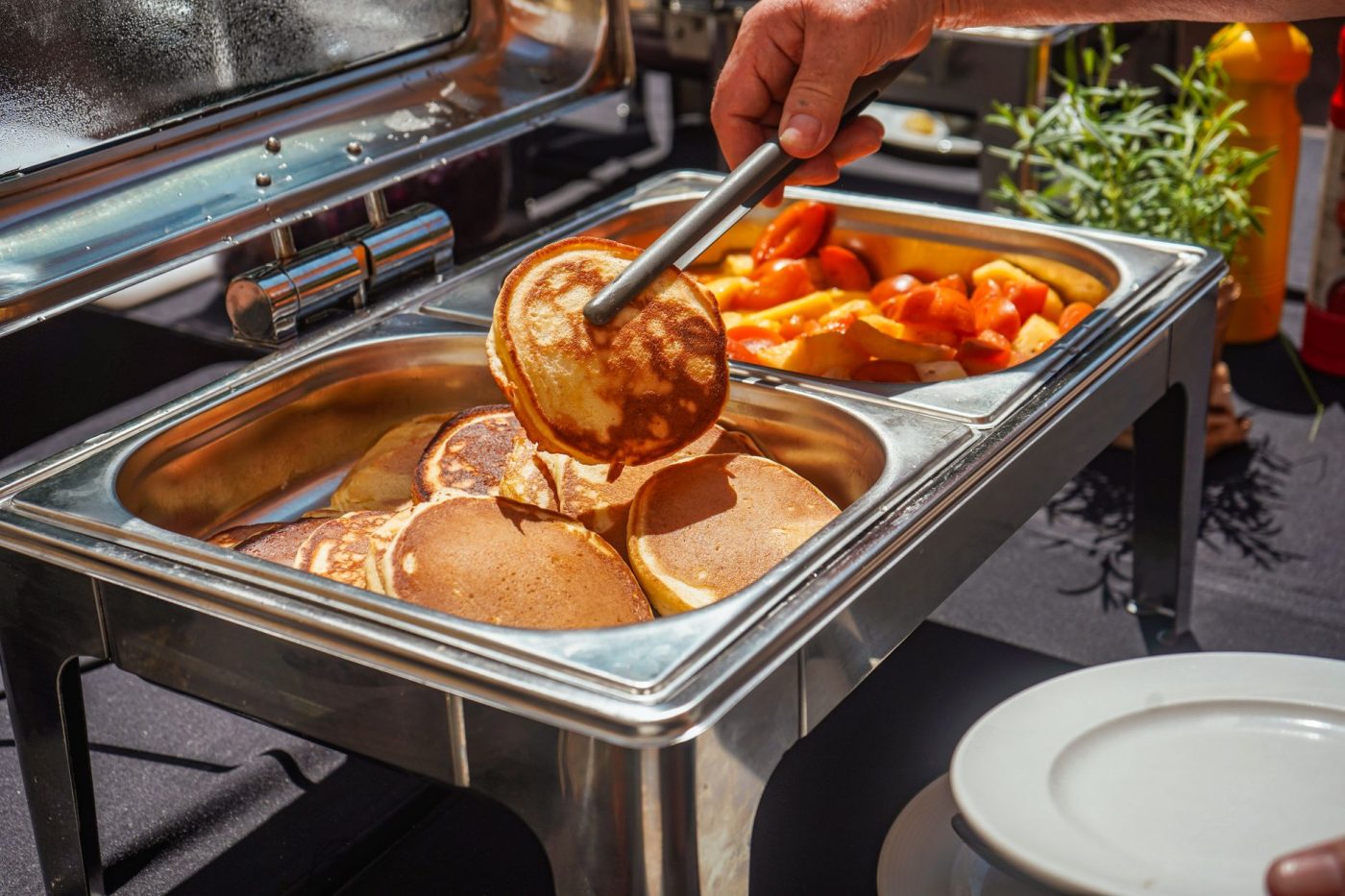
A skillet or griddle over medium-low heat gives you the best texture, with a slightly crisp outside and a soft center. Place the frozen or thawed pancakes in a dry nonstick pan and heat for about 1 to 2 minutes per side, just until warmed through. No need to add oil or butter to the pan, though a tiny pat on top after reheating is nice.
The toaster works well for a quicker option with a bit of crunch. Toast them on a medium setting straight from the freezer until hot. For the oven, arrange pancakes in a single layer on a baking sheet, cover tightly with foil to trap steam, and warm at 350°F (175°C) for 8 to 10 minutes if thawed, or 12 to 15 minutes if frozen.
If you use the microwave, add moisture back. Place a damp paper towel over the pancakes and heat in 20-second intervals until warm. This creates steam that keeps them soft instead of turning them tough or rubbery. A stack of two or three pancakes usually takes 30 to 45 seconds.
How long do frozen gluten-free pancakes last?
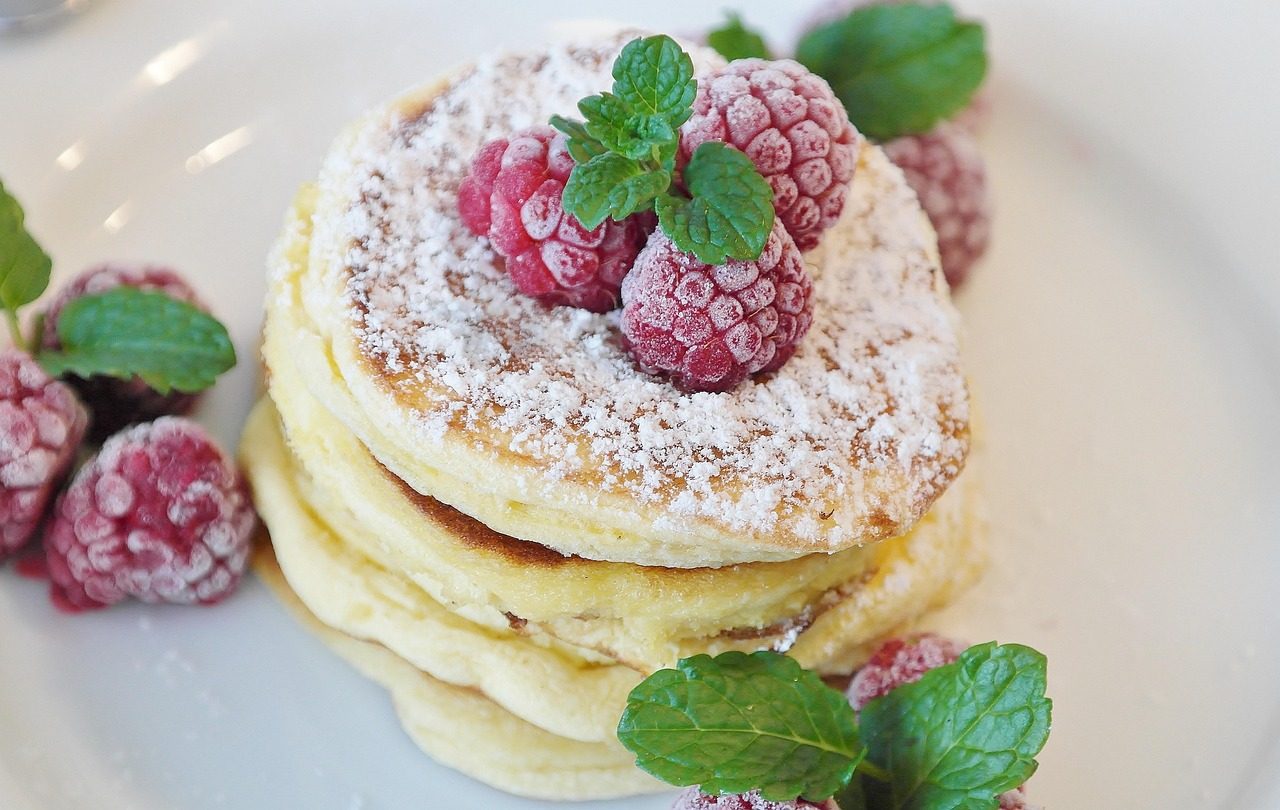
Frozen gluten-free pancakes keep their best texture and taste for up to 2 months. They stay safe to eat beyond that window, but the quality drops noticeably. Gluten-free baked goods tend to dry out faster than wheat-based ones because the flour blends lack gluten's moisture-trapping structure.
Freezer burn shows up as grayish-white dry patches on the surface. The pancakes feel leathery in those spots and taste bland or stale after reheating. A thin layer of ice crystals inside the bag or container also signals that air has crept in and the pancakes are starting to degrade.
Toss the pancakes if you notice any sour or off smell after thawing, or if you see spots of mold. When you stored them properly in a sealed bag with the air pressed out, a 2-month supply of ready-to-eat breakfasts is realistic for most home kitchens.
Can you freeze gluten-free pancake batter instead?
Freezing cooked pancakes gives you far better results than freezing the batter. The leavening agents in gluten-free pancake batter, usually baking powder and baking soda, start working the moment liquid hits the dry ingredients. If you freeze the batter, those agents lose much of their power and the pancakes will turn out flat and dense.
A short chill in the fridge works well if you want to prep the night before. Mix the batter, cover the bowl tightly, and refrigerate it for up to 12 hours. Stir it gently before cooking. You may need to add a tablespoon of milk or water to loosen it, since gluten-free flours absorb more liquid as they sit.
For a ready-to-cook option that holds up longer, freeze the pancakes using the layering method described above. They reheat in minutes straight from frozen and taste nearly as good as fresh. This skips the guesswork of whether the batter still has enough lift.
FAQ
Why do my gluten-free pancakes turn out dry after freezing?
Dryness usually comes from air reaching the pancakes in the freezer or from overheating during reheating. Wrap each stack tightly in plastic wrap and a second layer of foil or a freezer bag. When reheating, use a lower temperature or add a small dish of water in the microwave to create steam.
Can I freeze gluten-free pancakes with add-ins like blueberries or chocolate chips?
Yes. Pancakes with fruit or chocolate chips freeze the same way as plain ones. Just make sure the add-ins are fully cooked inside the pancake before you cool and freeze them. Extra moisture from fruit may shorten the best-quality window slightly, so aim to use them within a month.
Do I need to flash-freeze pancakes before stacking them?
Flash-freezing, laying pancakes in a single layer on a baking sheet for an hour before stacking, is helpful if your pancakes are very moist or if you want to pull out just one at a time. For most gluten-free pancakes, parchment paper between layers works well and saves freezer space.
Can I refreeze gluten-free pancakes after thawing?
It is safer not to refreeze them once they have been fully thawed, as the texture will suffer and the risk of spoilage increases. If you reheated them straight from frozen and have leftovers, those should be eaten or discarded rather than frozen again.