Gluten-Free Kefir Pancakes That Are Actually Fluffy
What gluten-free flour blend works best for kefir pancakes?
A 1-to-1 all-purpose gluten-free flour blend that already contains xanthan gum gives the most reliable structure and the fluffiest result. These blends are designed to swap directly for wheat flour in most recipes, so they handle the acidity of kefir without turning gummy or dense. Bob’s Red Mill Gluten Free 1-to-1 Baking Flour and King Arthur Measure for Measure Flour are two widely available brands that perform well in this recipe.
Single-grain flours like almond flour, coconut flour, or plain white rice flour will not work the same way on their own. Almond flour makes pancakes heavy and wet because it has no starch to build a crumb, while rice flour alone can leave them gritty and flat. If you have a blend without xanthan gum, stir in a quarter teaspoon of xanthan gum per cup of flour before you measure it into the bowl.
Check the label on your blend every time you buy it. Some brands change their formula, and a mix that worked last month might now include oat flour that is not certified gluten-free. Readers with celiac disease should look for a certified gluten-free symbol and confirm that the kefir itself is labeled gluten-free as well, since fermentation starters can sometimes carry traces of gluten.
How do you make the batter so the pancakes stay fluffy?
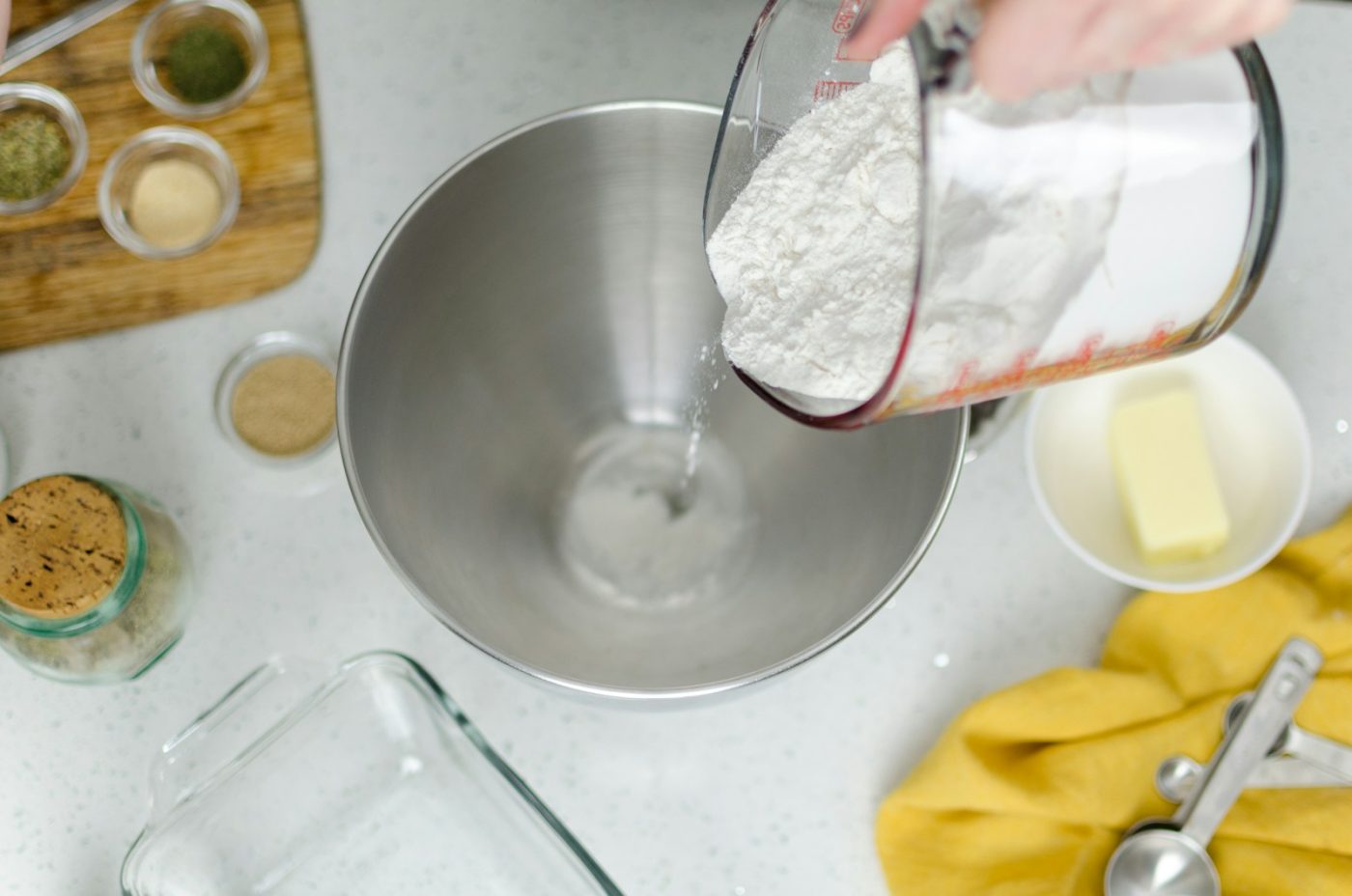
The mixing method matters as much as the ingredients when working without gluten. Start by whisking all your dry ingredients together in one bowl. This step evenly distributes the baking powder, baking soda, salt, and any starch in the flour blend before they meet liquid, avoiding pockets of leavening that create uneven bubbles.
In a separate bowl, whisk the wet ingredients: the kefir, egg, a splash of oil or melted butter, and any vanilla. Pour the wet mixture into the dry ingredients and fold them together with a spatula. Stop as soon as no dry streaks remain. A few small lumps in the batter are fine; overmixing deflates the air needed for a light texture.
Gluten-free flour blends need a short rest to fully hydrate. Let the batter sit on the counter for 10 minutes before you heat the pan. During this time the starches and gums absorb the kefir, thickening the batter slightly and helping the pancakes hold their rise when they hit the heat. You will often see small bubbles forming on the surface, a good sign that the leavening agents are active.
- Whisk dry ingredients thoroughly in one bowl to distribute leavening agents evenly.
- Combine wet ingredients in a separate bowl before adding them to the dry mix.
- Fold wet and dry mixtures together with a spatula, stopping when just combined.
- Ignore small lumps; overmixing toughens the pancakes.
- Rest the batter for exactly 10 minutes to let the flour blend hydrate.
- Do not stir the batter again after resting; scoop it gently from the top.
What temperature and pan setup give you golden, even pancakes?
Medium heat works best for gluten-free kefir pancakes. Set your burner to medium and let a nonstick skillet or griddle preheat for a few minutes. A pan that is too hot burns the outside before the center cooks through; one that is too cool makes the pancakes spread and lose their height.
Test the surface by flicking a few drops of water onto it. The water should sizzle and dance across the pan, not sit still or vanish instantly. Once the pan is ready, lightly grease it with butter or a neutral oil. A thin, even layer is all you need. Too much fat fries the edges instead of giving you an even golden crust.
Pour the batter and watch the surface closely. Flip each pancake only when bubbles appear across the top and the edges look set and slightly dry. This visual cue means the underside is browned and the structure is firm enough to turn without tearing. Cook the second side for about a minute, until it matches the first in color.
Can you make these pancakes dairy-free as well?
Yes, you can make these pancakes dairy-free by replacing the kefir with a plain, unsweetened plant-based yogurt alternative. Look for a product with a simple ingredient list, such as almond or coconut yogurt, and avoid vanilla or sweetened varieties that will throw off the flavor balance. Thin the yogurt to match the consistency of kefir, which is naturally pourable and slightly tangy.
Stir two teaspoons of fresh lemon juice into three-quarters of a cup of the yogurt alternative and let it sit for five minutes. This step introduces the acidity that kefir would normally provide, helping the baking soda activate for a lighter crumb. After resting, whisk in a tablespoon or two of unsweetened plain plant milk until the mixture easily drips off the spoon, similar to a thin buttermilk.
The final batter will be a touch thicker than the original version, and the pancakes may spread a little less in the pan. You will still get a tender, soft interior, though the rise is often slightly more modest. For the best texture, cook the pancakes as soon as the batter is mixed and do not press them down with the spatula.
What toppings and add-ins go well with the kefir flavor?
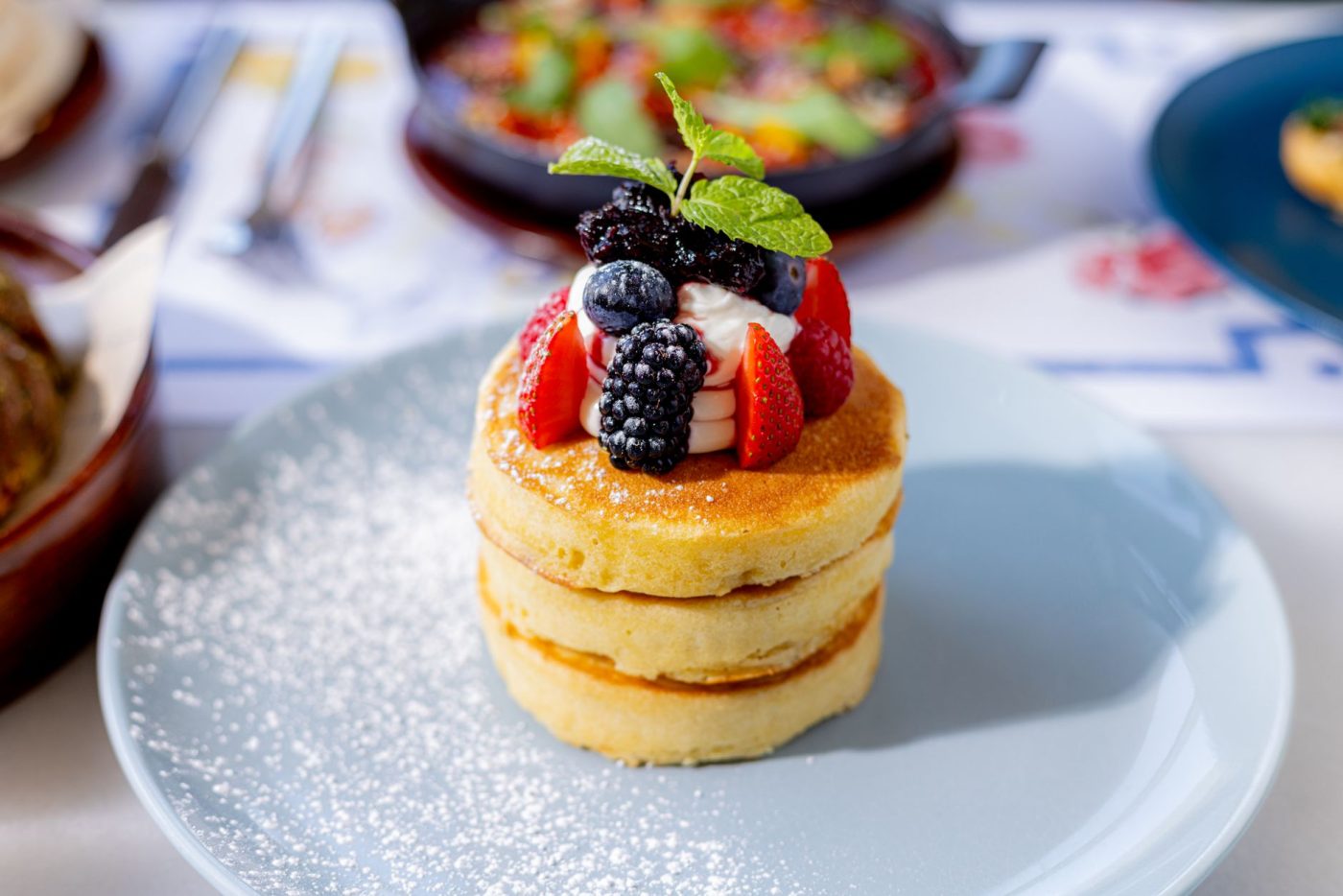
The tangy note from kefir pairs well with both sweet and bright toppings. Fresh berries release their juices as they hit a warm pancake, so a handful of raspberries or sliced strawberries turns each bite into a contrast of tart and sweet. A drizzle of pure maple syrup rounds out the acidity without burying the pancake's own flavor.
For a creamy finish, spoon a dollop of plain yogurt or a dairy-free alternative right on top of the stack. A light sprinkle of lemon zest lifts the whole plate, and a dusting of powdered sugar keeps things simple. If you want the add-ins baked right in, fold blueberries or a few dark chocolate chips into the batter just before it hits the pan, stirring gently to avoid breaking the berries.
- Fresh raspberries or sliced strawberries, added after cooking
- A drizzle of pure maple syrup or a light dusting of powdered sugar
- A spoonful of plain yogurt or coconut yogurt for creaminess
- A sprinkle of fresh lemon zest to brighten the kefir tang
- Fresh blueberries folded into the batter right before cooking
- A small handful of dark chocolate chips stirred in at the last moment
How do you store and reheat leftover pancakes?
Let the pancakes cool completely on a wire rack before you store them. Stacking warm pancakes traps steam, which makes them soggy and gummy. Once they are cool, place a square of parchment paper between each pancake so they do not freeze into a solid block. Slide the stack into a zip-top freezer bag or an airtight container.
Refrigerate the pancakes for up to 3 days, or freeze them for up to 2 months. The parchment layers let you pull out exactly as many as you need straight from the freezer. Do not thaw frozen pancakes before reheating. A toaster or toaster oven gives you the best result, crisping the outside while the inside warms through. A dry nonstick skillet over low heat works just as well. Flip the pancake once after about 2 minutes, and cook until the edges feel crisp again. Skip the microwave if you can; it heats unevenly and turns gluten-free pancakes tough and chewy within seconds.
FAQ
Why did my gluten-free pancakes turn out dense and gummy?
Dense, gummy pancakes usually come from overmixing the batter or using a single-grain flour instead of a blend with a binder. Stir just until no dry streaks remain, and let the batter rest so the flour can absorb the liquid fully.
Do I need to add xanthan gum if my flour blend already contains it?
No. Most 1-to-1 gluten-free flour blends already include xanthan gum, so adding extra can make the pancakes gummy. Check the ingredient list on your blend and skip any additional binder if it is already there.
Can I use water instead of kefir in this recipe?
You can, but the pancakes will lose the tender crumb and subtle tang that kefir provides. If you need to avoid dairy, a thin, plain plant-based yogurt alternative with a splash of lemon juice works better than water.