
How to Choose Gluten-Free Breakfast Cereal
What makes a cereal gluten-free?
A cereal is gluten-free when its ingredients contain no wheat, barley, rye, or triticale and it has not been contaminated during growing, transport, or manufacturing. The grain itself is only one factor. Processing on shared equipment that also handles wheat or barley can introduce enough gluten to cause a reaction, even if the grain itself is safe.
Corn, rice, quinoa, buckwheat, millet, sorghum, and amaranth are naturally gluten-free grains and form the base of most safe cereals. Oats are a special case. They do not contain gluten, but they are often grown near wheat or processed in the same facilities. Look for oats labeled gluten-free or produced under a purity protocol that keeps them separate from field to package.
A cereal made entirely from certified gluten-free oats and simple ingredients like nuts, seeds, or dried fruit can be safe. If barley malt extract or wheat starch appears on the ingredient list, the cereal is not gluten-free, regardless of what the front of the box claims.
How do I read the label for hidden gluten?

Start with the ingredient list, not the front of the box. In the US, wheat must be declared by law under the Food Allergen Labeling and Consumer Protection Act, so you will see it in a “Contains” statement or in bold within the list. Barley, rye, and non-certified oats are not covered by that same law, which means they can appear under names you might not recognize.
Check the list for these ingredients, which contain gluten:
- Malt, malt extract, malt syrup, and malt flavoring, all of which come from barley
- Barley malt extract, a sweetener used even in cereals labeled “rice” or “corn”
- Wheat starch, which is sometimes allowed in gluten-free foods in Europe but is not safe for celiac disease unless certified gluten-free
- Brewer’s yeast, a byproduct of beer brewing that is often grown on barley
- Oat bran or oat fiber that does not specify certified gluten-free oats
- Smoke flavoring, which can use barley malt flour as a carrier
Statements like “no gluten-containing ingredients” are voluntary marketing claims with no legal definition in the US. Only the regulated term “gluten-free” on the front, backed by the FDA rule of under 20 parts per million, gives you a standard you can verify. If you have celiac disease, call the manufacturer about any ingredient you do not recognize; do not guess.
Which certifications should I look for on the box?
A certification mark means an independent organization has audited the product and tested it for gluten. The Gluten-Free Certification Organization (GFCO) seal requires testing below 10 parts per million (ppm), which is stricter than the FDA rule of 20 ppm. Products carrying the GFCO logo also pass a review of ingredients and manufacturing practices.
The Celiac Support Association (CSA) seal uses a phased testing program and holds products to 5 ppm or lower. You will see it less often than the GFCO mark, but it signals an extra level of scrutiny for people who react to trace amounts. A product labeled “gluten-free” without a third-party seal is still regulated by the FDA and must contain under 20 ppm of gluten, though the manufacturer may test less frequently.
A certified seal gives you more assurance than a plain gluten-free claim. Look for the mark on the front of the package, then double-check the ingredient list for hidden sources of wheat, barley or rye.
Are oats in cereal safe for someone with celiac disease?
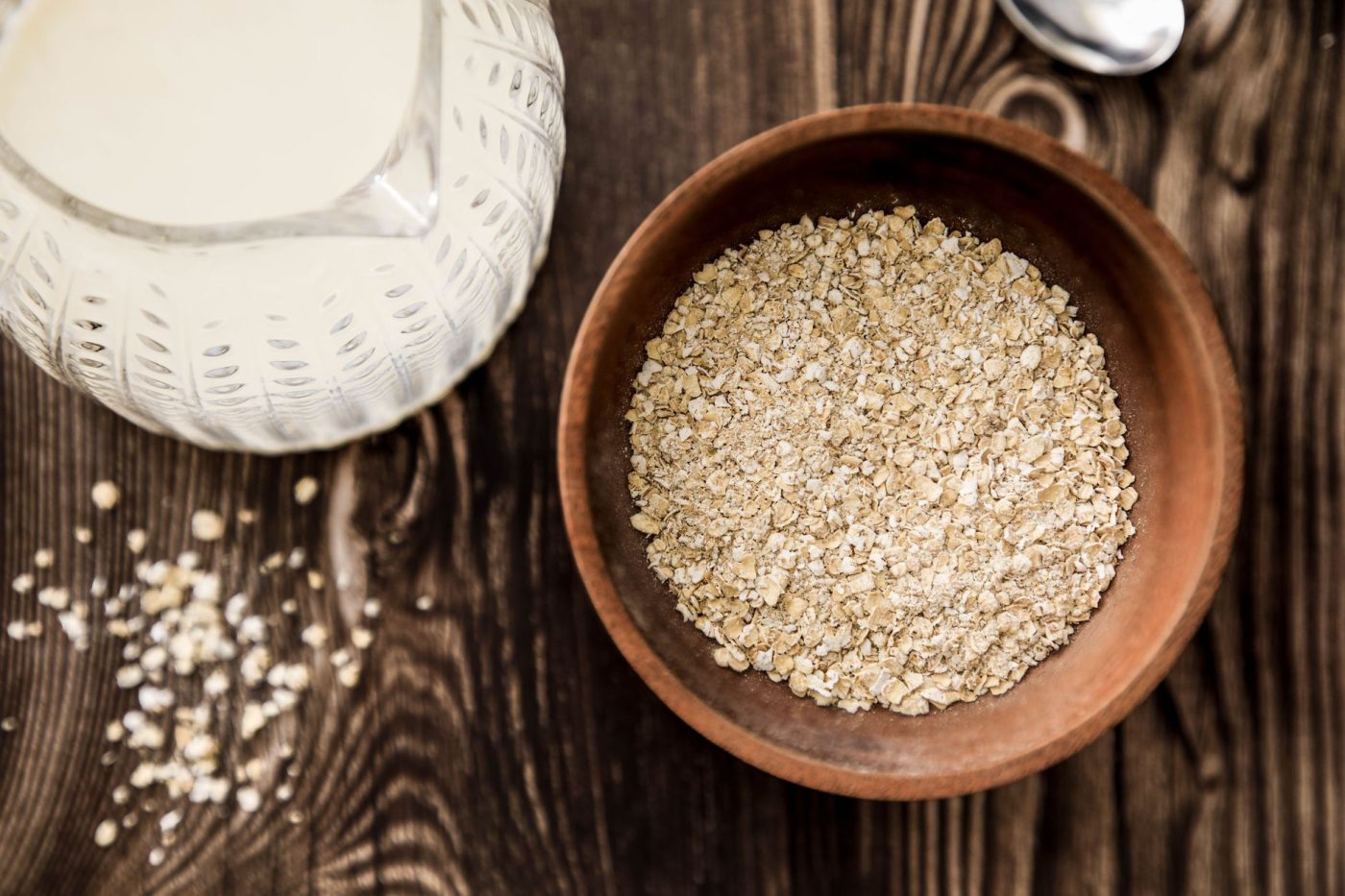
Oats themselves do not contain gluten, but they are often grown, transported and processed alongside wheat, barley or rye. This shared equipment and field proximity creates a high risk of cross-contact. Regular oats sold in bulk bins or standard supermarket packages are rarely safe for someone with celiac disease.
Purity-protocol oats are the safest choice. These are grown from dedicated seed on dedicated fields and handled in dedicated facilities, with testing at every stage to confirm the absence of gluten. Mechanically sorted oats are a less reliable alternative. Optical or mechanical sorters remove stray grains of wheat and barley, but the process does not catch every speck, and the finished product may still test above the 20 parts per million threshold that defines a gluten-free food in the US.
A small number of people with celiac disease also react to avenin, a protein in oats similar in structure to gluten. If you eat certified gluten-free oats and still experience symptoms, ask your doctor whether avenin sensitivity could be the reason. For most people, certified gluten-free oats are a safe and welcome addition to breakfast cereal.
What are the most common hidden sources of gluten in cereal?
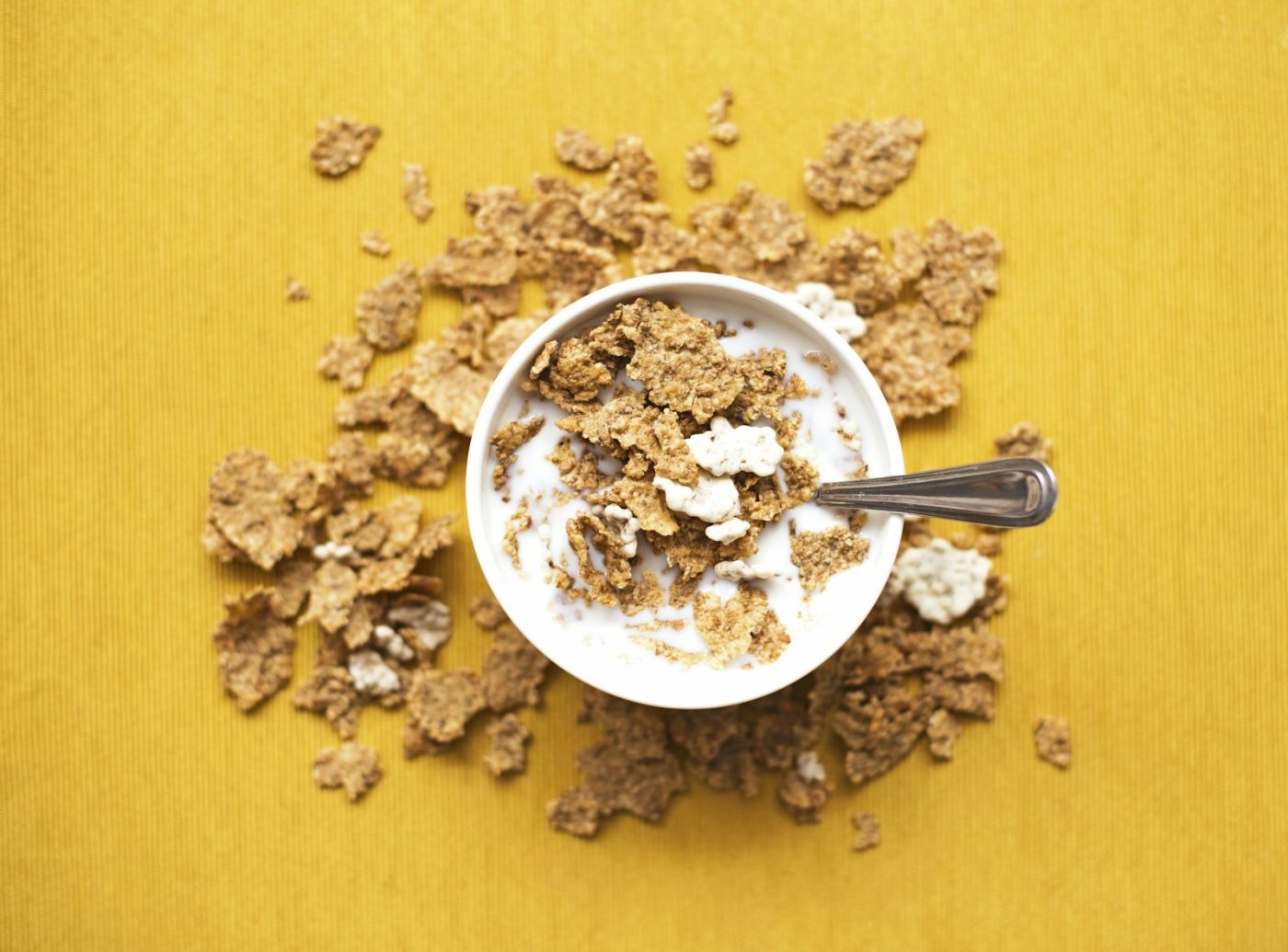
Several ingredients seem harmless but often contain wheat or barley derivatives. Malt syrup, malt extract, and barley malt are all made from barley, so they are not safe even when the grains list looks clean. Wheat bran and wheat germ show up in cereals marketed as high-fiber, and spelt, farro, and kamut are simply types of wheat despite their old-world names.
Oat bran and oat fiber are only safe when the package states the oats are certified gluten-free, because conventional oats are often grown and processed alongside wheat. Flavorings and smoke flavor can use barley-based carriers, and some caramel color is made from wheat malt. When any of these appear without a clear gluten-free claim, put the box back on the shelf.
- Malt syrup, malt extract, and barley malt, all made from barley
- Wheat bran, wheat germ, and ancient grains like spelt, farro, and kamut
- Oat bran and oat fiber from unsorted or conventional oats
- Smoke flavor and natural flavorings that may use barley-based carriers
- Caramel color derived from wheat malt, though corn-based versions are common
- Rice malt and brown rice syrup, which are sometimes processed with barley enzymes
How do I avoid cross-contact at home?
Cross-contact happens when a safe food touches a surface, utensil or ingredient that contains gluten. In a shared kitchen, breakfast cereal is especially vulnerable because crumbs from regular toast can land on the counter, and a spoon used for both can transfer gluten straight into the box.
You do not need a second kitchen. A few quick habits can keep your cereal safe:
- Keep gluten-free cereal in a dedicated airtight container, never in the original open bag.
- Use a clean, dry scoop that lives inside the container and never touches anything else.
- Wipe the counter and the table with a fresh cloth or paper towel before you set out your bowl.
- Never dip a spoon that has touched regular bread or a shared butter knife into the cereal box.
- Store your cereal on a shelf above foods that contain gluten so crumbs cannot fall into it.
- Pour your milk before anyone else uses it for regular cereal, or keep a separate carton.
If someone in the house bakes with regular flour, close your cereal container tightly and put it in a cupboard while flour dust is in the air. These steps make a real difference for anyone who needs to avoid even tiny amounts of gluten.
FAQ
Can a cereal be labeled gluten-free if it contains oats?
Yes, as long as the oats are certified gluten-free and the finished product tests below 20 parts per million of gluten. The FDA gluten-free rule allows oats, but the manufacturer must ensure the oats were not cross-contaminated with wheat, barley, or rye during growing or processing.
Does rice-based cereal always mean gluten-free?
Not always. Plain rice is naturally gluten-free, but many rice cereals add barley malt for flavor and color. Check the ingredient list for malt, malt extract, or malt syrup. If the cereal carries a certified gluten-free mark, you can be confident the rice and all additions are safe.
What should I do if I react to a cereal labeled gluten-free?
Stop eating it and contact the manufacturer to ask about their testing procedures and ingredient sources. Some people with celiac disease also react to oats, even certified gluten-free ones, because of the protein avenin. Talk with your doctor about whether you need to avoid oats entirely.
Are corn flakes gluten-free?
Most conventional corn flakes are not gluten-free because they contain barley malt. Even though the main ingredient is corn, the malt adds gluten. Look for brands that specifically label their corn flakes as gluten-free and use a substitute sweetener instead of malt.