Gluten-Free Appetizers for a Buffet: Make-Ahead Ideas
What are the safest bases for gluten-free finger food?
The safest gluten-free bases for a buffet are whole foods and products with a clear gluten-free label. Cucumber rounds and sturdy lettuce leaves such as butter or Little Gem need no label reading at all, just a good wash and a quick pat dry. Corn tortilla chips, when fried in a dedicated gluten-free facility and clearly marked, are another safe choice.
Rice crackers and gluten-free labeled tartlet shells work well, but you need to check the packaging each time you buy. Some rice crackers contain wheat starch or barley malt extract as a flavoring, and not every brand of tartlet shell tests below the gluten-free threshold. At a mixed party, sticking with whole-food bases such as cucumber slices and lettuce cups removes the guesswork entirely.
- Corn tortilla chips with a certified gluten-free mark on the bag
- Thick cucumber rounds sliced on a slight diagonal for more surface area
- Whole butter lettuce or Little Gem leaves, separated and dried well
- Gluten-free labeled mini tartlet shells, checked for a certification logo
- Plain rice crackers made with rice flour only, no barley malt or wheat starch
- Polenta squares cut from a log marked gluten-free, then pan-fried until crisp
Which gluten-free mini skewers can I assemble the night before?
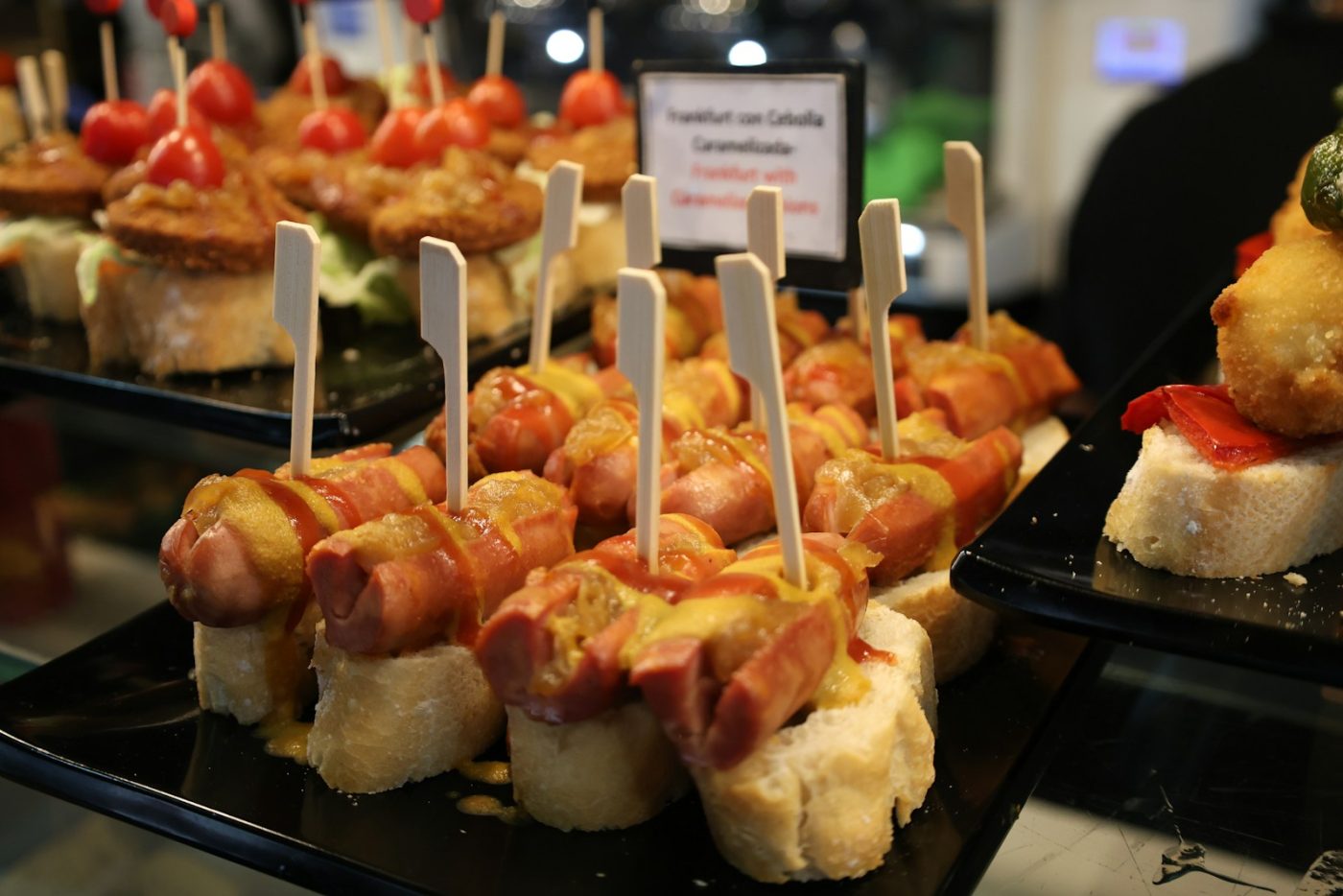
Most skewer combinations hold up well overnight when you layer ingredients thoughtfully and keep moisture away from anything that should stay crisp. Thread the ingredients in an order that protects softer items, and store the finished skewers in a single layer with a sheet of parchment between any stacked trays.
Three combinations work especially well for make-ahead prep:
- Thread a cube of toasted gluten-free bread, a fresh basil leaf, a cherry tomato and a ciliegine mozzarella ball. Drizzle with olive oil just before serving, not the night before, so the bread stays firm.
- Fold a thin slice of prosciutto around a cube of ripe cantaloupe or honeydew melon and secure it with a short skewer. The melon stays juicy and the prosciutto does not weep, making this one of the most forgiving options for overnight storage.
- Alternate roasted zucchini rounds, red bell pepper squares and seared halloumi cubes. Pat the roasted vegetables dry with a paper towel before threading, and let the halloumi cool completely so steam does not soften the vegetables in the container.
Brush the skewer lightly with oil so ingredients slide on without splitting. Add a squeeze of lemon or a drizzle of balsamic glaze just before the party to brighten flavors that mellow in the fridge.
How do I fill gluten-free tartlet shells without them getting soggy?
A quick barrier layer stops the shells going soggy. Brush the inside of each baked gluten-free tartlet shell with melted butter, a thin smear of cream cheese or a pinch of finely grated hard cheese. Let that layer set for five minutes at room temperature. The fat stops liquid soaking into the pastry, so the shells stay crisp for several hours.
Once the barrier is firm, spoon in the filling just before serving or up to two hours ahead if the tartlets sit on a wire rack. A rack lets air circulate underneath and keeps the bottoms dry. Do not cover filled tartlets tightly with plastic wrap. A loose tent of parchment paper works better.
- Smoked salmon and dill cream: fold chopped smoked salmon into whipped cream cheese with fresh dill, lemon zest and black pepper.
- Chicken and mango salsa: mix finely diced cooked chicken breast with mango, red bell pepper, cilantro, lime juice and a pinch of salt.
- Herbed mushroom pate: sauté cremini mushrooms with shallots and thyme, cool, then blend with softened butter and a splash of dry sherry until smooth.
What lettuce wraps hold up best on a buffet table?
Butter lettuce, little gem and endive leaves are the most reliable choices for a buffet. Their natural cup shape holds a filling without tipping, and the leaves stay crisp longer than softer greens such as romaine hearts or iceberg wedges. Endive has a slight bitterness that pairs well with rich or salty fillings, while butter lettuce and little gem are mild and work with almost anything.
Wash the leaves in cold water and dry them completely with a salad spinner or a clean kitchen towel. Any water left on the leaf makes the filling slide off and softens the lettuce. Stack the dried leaves in a container with paper towels between the layers, cover tightly and refrigerate for up to eight hours before the party. Arrange them on the platter just before guests arrive.
Two fillings that stay put and taste good at room temperature are Thai-style ground chicken and a black bean with corn mix. For the chicken filling, cook ground chicken with minced garlic, ginger, a splash of gluten-free tamari and a spoonful of lime juice, then let it cool completely before spooning it into the cups. The black bean filling combines drained canned black beans, thawed frozen corn, diced red pepper, chopped cilantro and a simple lime and olive oil dressing. Both fillings can be made a day ahead and stored separately.
How can I keep gluten-free and regular appetizers separate at a mixed party?
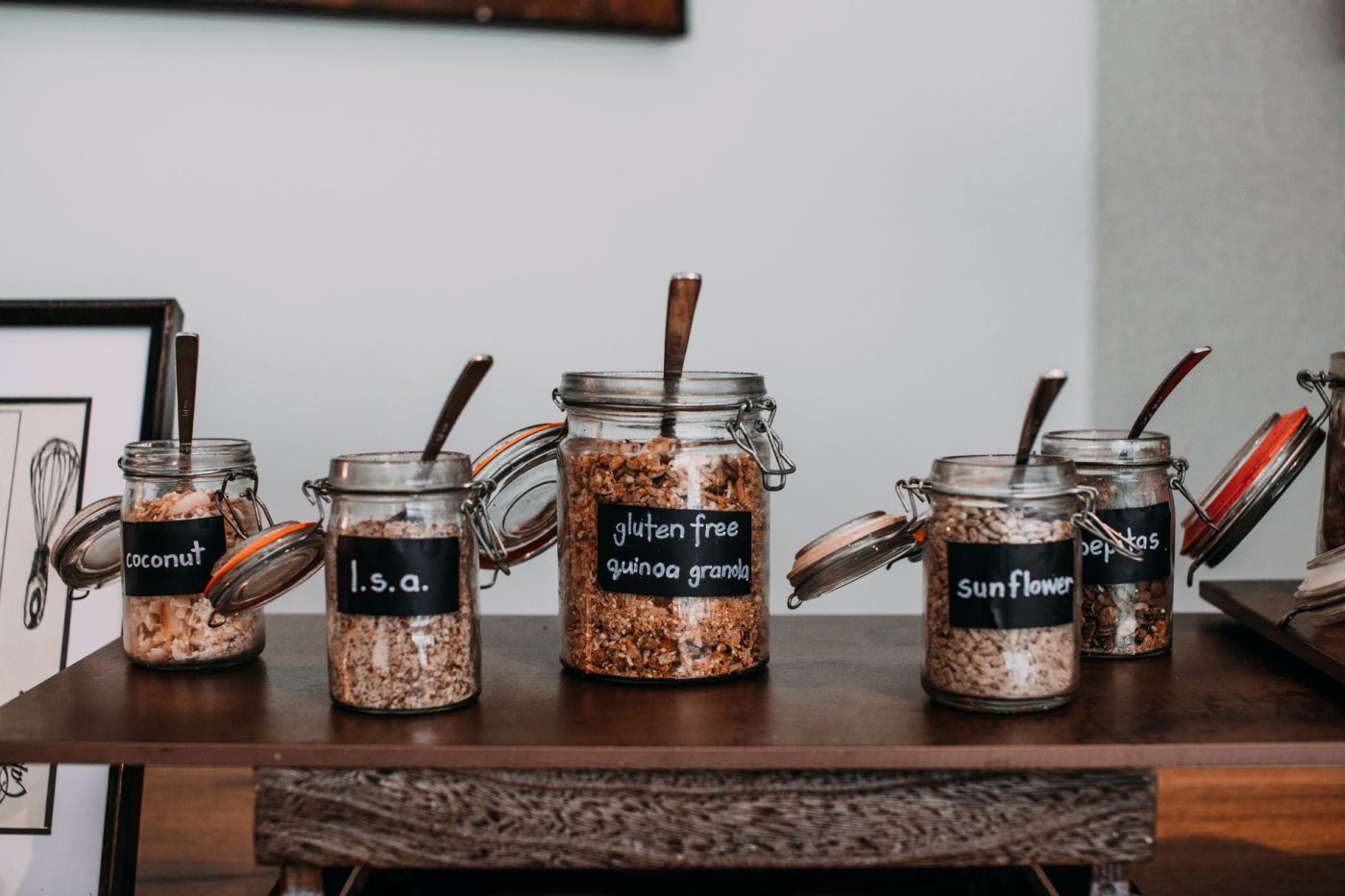
Keeping gluten-free food safe at a mixed buffet takes a few simple, visible boundaries. Start by placing all gluten-free appetizers at the beginning of the serving line, before any wheat-based options. Guests with celiac disease or gluten sensitivity can fill their plates first, before serving utensils move between dishes and accidentally carry crumbs across the table.
Clear labeling removes guesswork. Use small tent cards, sticky notes on toothpicks, or dedicated platters in a different color so everyone can spot the safe choices without asking. Color coding works especially well when space is tight. A consistent system, such as green picks for gluten-free and plain wooden picks for everything else, keeps the message clear even as platters get refilled.
- Place all gluten-free dishes at the start of the buffet line so they are served first.
- Use a distinct color of toothpicks, mini forks, or skewers for every gluten-free item.
- Set gluten-free appetizers on plates or platters that are a different shape or color from the rest.
- Put a dedicated serving utensil in each dish and remind helpers not to swap them between platters.
- Add a small handwritten label or flag to each gluten-free platter, even if the color coding seems obvious.
- Keep a backup supply of gluten-free appetizers in the kitchen to refill platters without borrowing from the regular table.
It is easy to miss cross-contact from shared dips and spreads. Spoon a portion of hummus, guacamole, or cheese spread into a small individual ramekin for the gluten-free table rather than setting out one large communal bowl. A guest double-dipping with a wheat cracker can introduce gluten into a safe dip within minutes.
Which store-bought dips and spreads are reliably gluten-free?
Most plain hummus, guacamole, tzatziki and cream cheese based spreads are naturally gluten-free, but the label tells you the full story. Look for a gluten-free certification mark or a clear “gluten-free” statement on the front of the package. Flip the container over and scan the ingredient list for hidden sources: malt vinegar, wheat starch, soy sauce or hydrolyzed wheat protein all mean the product is not safe.
Even a familiar brand can change suppliers. Check the label each time you shop. If you have celiac disease, cross-contact at the manufacturing line is a real risk. A certified gluten-free label means the producer has tested and kept the product below the 20 ppm threshold, which matters when you are serving guests who cannot tolerate any gluten at all.
These five types of dips are usually gluten-free, but always check the brand in your hand:
- Classic chickpea hummus with tahini, lemon and garlic, the fewer add-ins the simpler the ingredient list.
- Fresh guacamole made from avocado, onion, cilantro and lime juice, watch for seasoned versions that may include wheat based thickeners.
- Tzatziki with yogurt, cucumber, garlic and dill, avoid any variety listing malt vinegar or modified food starch without a source named.
- Plain whipped cream cheese spreads and herb-flecked Boursin style cheeses, check that the stabilizers are corn or potato based.
- Olive tapenade and roasted red pepper spreads packed in oil, read the jar to rule out soy sauce or malt extract in the seasoning blend.
FAQ
Can I use regular corn tortillas for mini tartlets?
Yes, if the package says gluten-free. Cut rounds with a cookie cutter, press them into a mini muffin tin and bake at 350 degrees Fahrenheit (175 degrees Celsius) for 8 to 10 minutes until crisp. Some corn tortillas are made on shared lines with wheat, so readers with celiac disease should check the label or call the manufacturer.
How far ahead can I make gluten-free appetizers?
Most skewers and tartlet shells can be prepped a day ahead. Add moist fillings and dressings no more than two hours before serving to keep bases crisp. Lettuce cups are best assembled within an hour of the party, though you can wash and dry the leaves the night before and keep them wrapped in paper towels in the fridge.
What is a good gluten-free substitute for crackers on a cheese board?
Rice crackers, gluten-free oat cakes and sliced cucumber rounds work well. Nut-based crackers and seed crackers labeled gluten-free are also widely available. Always place gluten-free crackers on a separate board or in a marked section so guests do not mix them with wheat crackers.
Are rice paper wrappers gluten-free?
Plain rice paper wrappers, the kind used for Vietnamese summer rolls, are typically made from rice flour, tapioca and water, so they are naturally gluten-free. Check the package for any added wheat starch, and fill them with vegetables, shrimp or shredded chicken for a fresh buffet option.