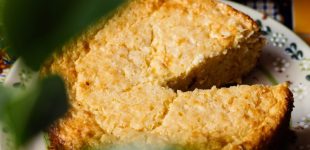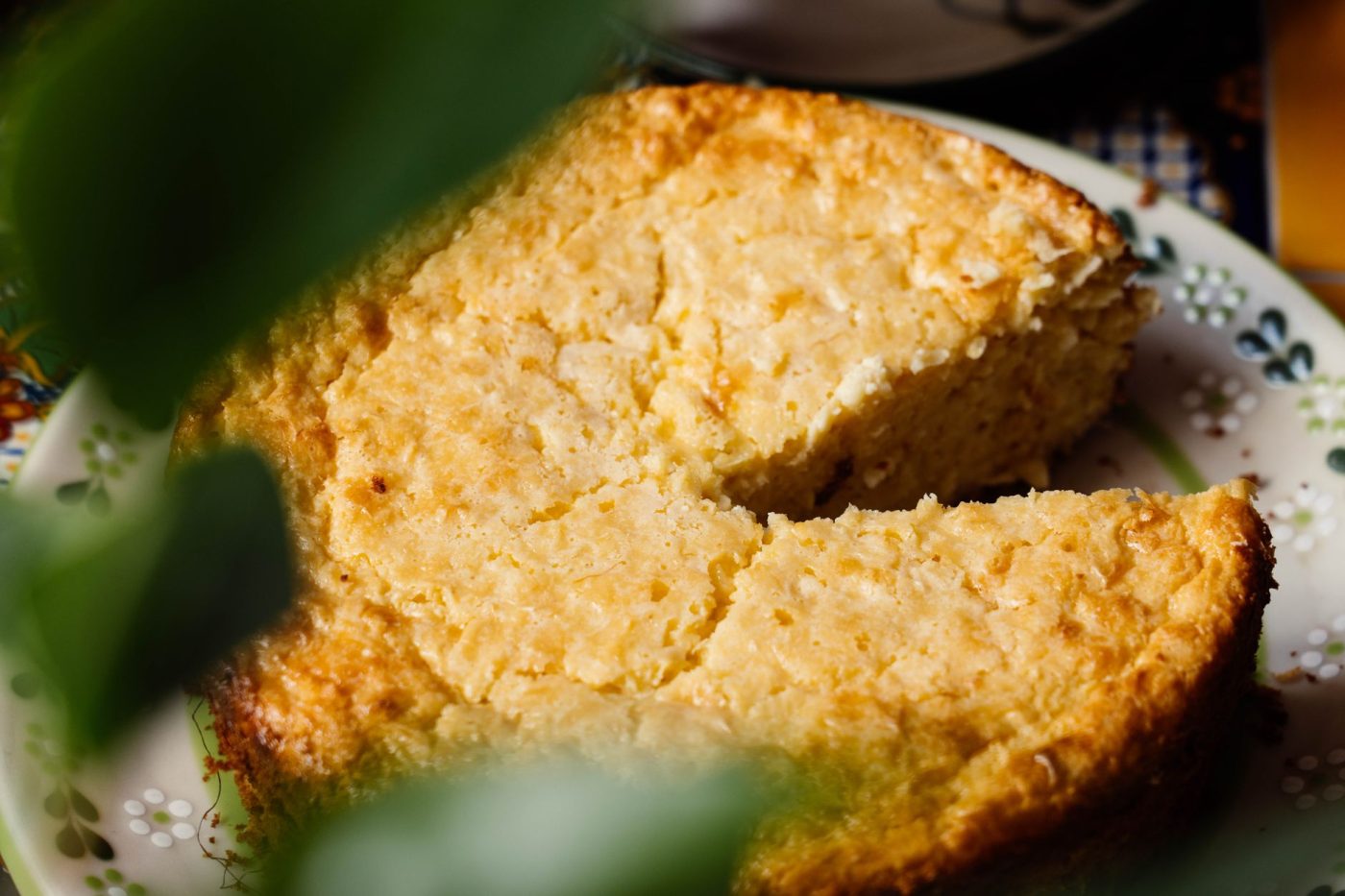
Gluten Free Cornbread Recipe That Tastes Like the Real Thing
What flour blend works best for gluten free cornbread
A simple blend of fine cornmeal, a quality gluten free all-purpose flour, and a little starch gives you the right crumb. Using only cornmeal makes the bread gritty and it will fall apart when you slice it. Using only a gluten free flour mix loses that classic corn flavor and the slightly nubby texture you want.
For this recipe you need three dry ingredients measured by weight for the most reliable result. Fine yellow cornmeal (120 g, about 1 cup) gives the signature taste and golden color. A gluten free all-purpose flour blend that already contains xanthan gum (90 g, about ¾ cup) provides structure and a tender bite. Cornstarch or tapioca starch (15 g, about 2 tablespoons) lightens the crumb and helps the bread rise evenly in a hot oven.
Stick with a finely ground cornmeal, not coarse polenta or grits, so the bread bakes through without hard bits. If your all-purpose blend does not include xanthan gum, add ¼ teaspoon to the dry mix or the bread will crumble as it cools. This ratio of roughly 4 parts cornmeal to 3 parts flour blend to ½ part starch has worked in my kitchen through years of testing and it holds together beautifully straight from the skillet.
Can I Make This Cornbread Without a Cast Iron Skillet
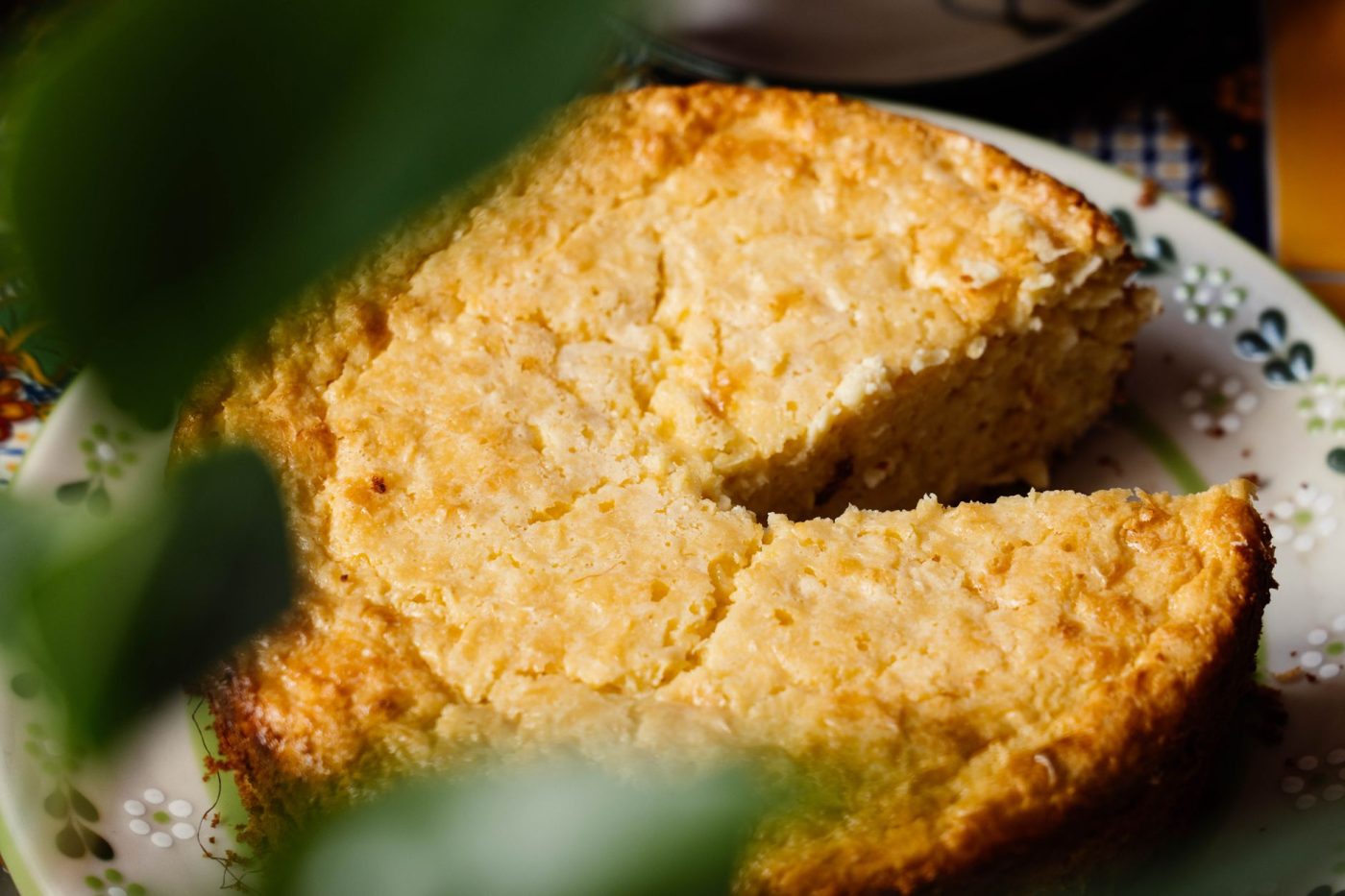
You can bake gluten free cornbread in an 8-inch square metal or glass baking pan and still get a tender crumb with a crisp bottom. Heat the pan with butter or oil in the oven while it preheats to mimic the sizzling start a cast iron skillet provides. Pour the batter into the hot greased pan and you will hear that satisfying sizzle that sets the crust immediately.
A metal pan conducts heat faster and gives a darker, crunchier bottom crust than glass. If you use a glass pan, lower the oven temperature by 25 degrees Fahrenheit to prevent the sides from over-browning before the center sets. With either pan, the cornbread bakes at 400 degrees Fahrenheit for 18 to 22 minutes, a few minutes less than a skillet version because the thinner metal or glass transfers heat more directly than thick cast iron.
To get the crispiest possible bottom without a skillet, line the pan with parchment paper but still grease it well. The parchment lets you lift the cornbread out cleanly while the fat underneath fries the bottom layer as it bakes. Let the cornbread cool in the pan for five minutes before turning it out, which allows the crust to firm up and release naturally.
How to keep gluten free cornbread from being dry or crumbly
Gluten free cornbread usually goes dry or crumbly for two reasons: the flour blend lacks a strong binder, or it bakes a few minutes too long. A few small changes to the ingredients and method can fix both.
These techniques add moisture and structure without making the cornbread gummy:
- Stir in a quarter cup of full-fat sour cream or plain yogurt for every cup of cornmeal. The fat and acid tenderize the crumb and hold onto water as the bread bakes.
- Add one extra egg yolk to the wet ingredients. The extra fat and lecithin strengthen the structure so the slice holds together when you cut it.
- Let the batter rest on the counter for ten minutes before scraping it into the pan. The cornmeal and any whole-grain flours absorb liquid and soften, which keeps the center from drying out later.
- Pull the skillet out of the oven the moment a toothpick inserted in the middle shows a few moist crumbs. Carryover heat will finish the bake on the cooling rack.
Check your flour blend as well. A mix with too much rice flour and no xanthan gum will produce a sandy, fragile loaf. Look for a blend that lists xanthan gum on the package, or add a quarter teaspoon of it per cup of flour when you measure your dry ingredients.
Dairy-free and egg-free substitutions that actually work
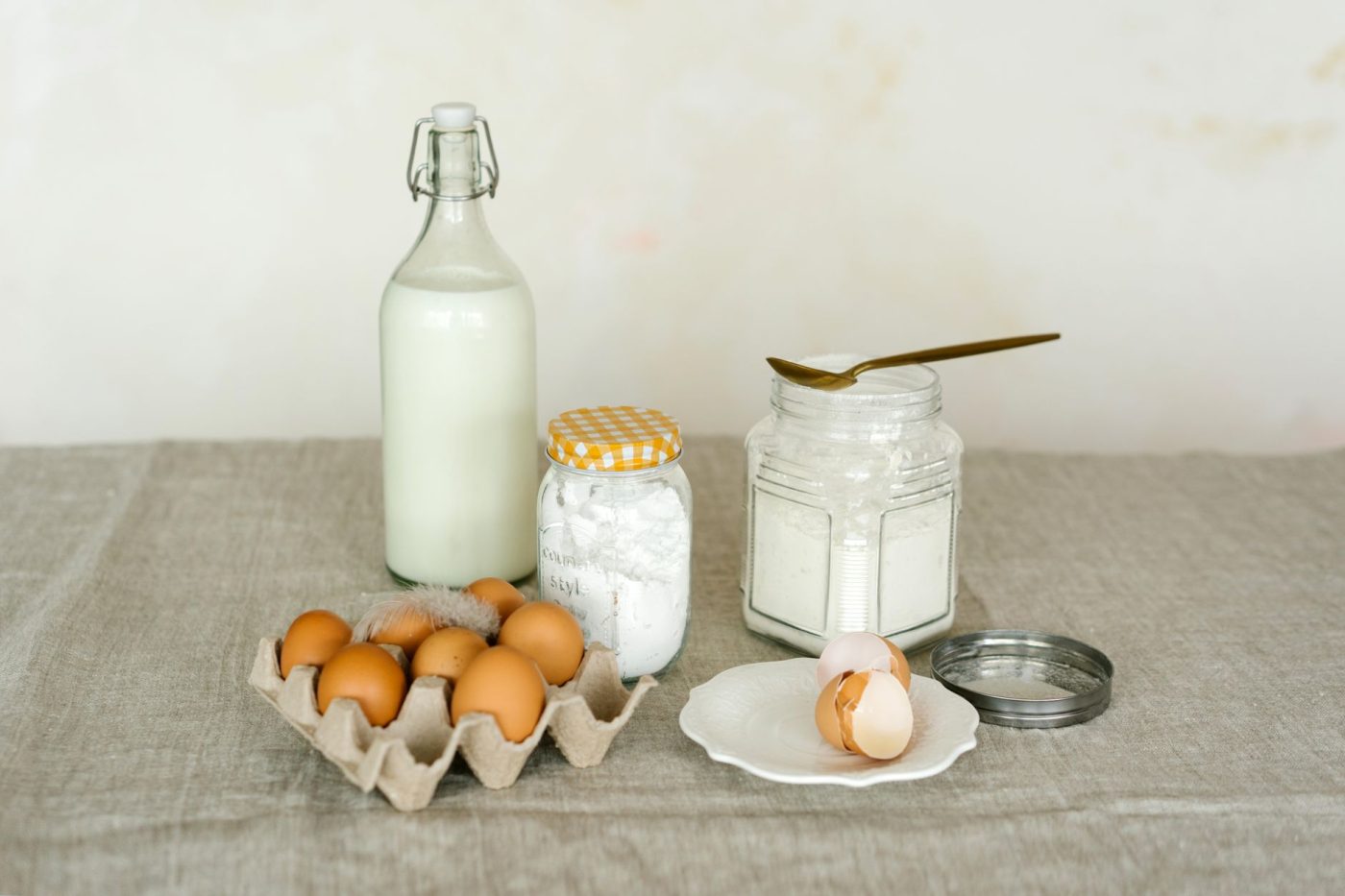
Cornbread can be made without dairy or eggs and still turn out tender with a good crumb. Each swap changes the flavor or texture a little, so pick the combination that matches what you need. The recipe calls for butter, milk, sour cream, and eggs, and all four can be replaced with tested alternatives.
- Butter: Use the same amount of refined coconut oil or a neutral vegetable oil. Coconut oil gives a slightly richer crumb, while oil makes the edges a touch softer. Melted vegan butter sticks also work and keep the buttery taste.
- Milk: Unsweetened almond milk or oat milk are the most neutral choices. Full-fat canned coconut milk adds richness but a faint coconut note. Avoid vanilla-flavored or sweetened varieties, which throw off the savory balance.
- Sour cream: Plain unsweetened coconut yogurt or almond milk yogurt provide the same tang and moisture. Pick a thick, scoopable yogurt, not a runny one. If you can find it, a dairy-free sour cream substitute works one for one.
- Eggs: A flax egg (one tablespoon ground flaxseed plus two and a half tablespoons water, rested five minutes) binds well and adds a nutty undertone. For a lighter rise, use a commercial egg replacer powder mixed with water according to the package directions.
If you swap all four at once, the cornbread will be a bit more delicate and less golden on top. Let it cool in the pan for ten minutes before slicing so it holds together. Readers with celiac disease should check every packaged substitute for gluten-containing additives or shared facility warnings.
Savory add-ins and flavor variations

Stirring extra ingredients into the batter makes a simple side memorable. Keep the total volume of add-ins to about 1 cup so the batter stays balanced and bakes through evenly. If an ingredient carries moisture, like fresh corn or pickled jalapeños, pat it dry first and reduce the buttermilk by 1 tablespoon.
A few combinations that work well:
- Diced jalapeño and shredded sharp cheddar, half a cup of each, for a classic kick that needs no extra salt
- Fresh corn kernels cut from one cob plus two tablespoons of chopped chives, which lean sweet and bright
- Crumbled bacon, one third of a cup, with a teaspoon of smoked paprika folded into the dry ingredients
- Roasted poblano strips and crumbled queso fresco, about half a cup total, for a milder warmth
- Sun-dried tomatoes drained well and chopped, a quarter cup, paired with a teaspoon of dried oregano
- Caramelized onion, a heaping quarter cup, with half a teaspoon of fresh thyme leaves
Fold the mix-ins in gently after the wet and dry ingredients come together, right before you pour the batter into the hot skillet. Overmixing at that stage can make the crumb tough, so stop as soon as the additions are distributed.
What to serve with gluten free cornbread
A warm wedge of cornbread goes well with a bowl of spicy chili or on a breakfast plate. Its slight sweetness and tender crumb suit hearty soups and stews, especially beef chili, white chicken chili, or a smoky black bean soup. It also soaks up the broth of a slow-cooked pot roast without falling apart.
For breakfast or brunch, split a square and toast it, then spread with honey butter or a spoonful of jam. Leftover cornbread works well in savory applications too. Cut it into cubes, toss with olive oil and salt, and bake at 375°F (190°C) until crisp to make croutons for salads or soups. You can also crumble day-old cornbread and use it as the base for a gluten free stuffing with sautéed onion, celery, sage, and broth.
Since the cornbread itself is not overly sweet, it pairs nicely with sharper, tangier sides. Try it alongside collard greens, a vinegar-based slaw, or pulled pork with a mustard sauce to balance the meal.
FAQ
Is cornmeal always gluten free?
Cornmeal itself is naturally gluten free, but it can be milled on equipment that also processes wheat. Look for a package labeled gluten free to avoid cross-contact. If you have celiac disease, check the label every time you buy a new brand.
Why did my cornbread sink in the middle?
A sunken center usually means the batter was overmixed after adding the wet ingredients, or the oven temperature was too low. Mix just until no dry streaks remain, and use an oven thermometer to confirm the heat is accurate.
Can I use only cornmeal and skip the flour blend?
Cornmeal alone makes a very crumbly, gritty loaf that will not hold together. The gluten free flour blend and a little starch provide the structure and soft crumb that a good cornbread needs. The recipe here uses both for the right balance.
How do I reheat leftover cornbread without drying it out?
Wrap individual slices in a damp paper towel and microwave for 20 to 30 seconds. To reheat a larger piece in the oven, wrap it in foil with a teaspoon of water sprinkled inside and warm at 300°F for 10 minutes.