Is Gluten-Free Bread Safe for Children
When does a child actually need gluten-free bread
Gluten-free bread is medically necessary for a child with diagnosed celiac disease, a confirmed wheat allergy, or dermatitis herpetiformis. In these cases, even a small amount of gluten triggers an immune response that damages the small intestine or causes allergic symptoms, so the bread must be completely free of wheat, barley, rye, and any gluten-containing grains.
For children without a medical diagnosis, removing gluten is not automatically healthier. A parent who suspects gluten is causing digestive discomfort, skin issues, or fatigue should see a pediatrician or a pediatric gastroenterologist before changing the child's diet. Testing for celiac disease requires the child to be eating gluten regularly, and cutting it out too soon can lead to an inaccurate result.
You don't need to switch a healthy child to gluten-free bread as a precaution, a wellness trend, or because a family member avoids gluten. Whole wheat bread provides fiber, B vitamins, and iron that many gluten-free loaves lack unless they are carefully fortified. A doctor or a registered dietitian can help you decide whether a trial elimination is appropriate and how long it should last.
What to Check on a Gluten-Free Bread Label

Read the label carefully to choose a bread that is safe and nourishing. Start by looking for a certified gluten-free symbol from a third-party organization, such as the Gluten-Free Certification Organization (GFCO) or the Celiac Support Association. This mark confirms the product has been tested and contains less than 20 parts per million of gluten, the threshold considered safe for people with celiac disease.
Next, scan the ingredient list itself. The first ingredient should be a whole grain flour, not a refined starch. Whole grain sorghum, brown rice, millet, or certified gluten-free oat flour supply more fiber and nutrients than white rice flour or tapioca starch. Also check the fiber content on the nutrition panel; a slice with at least 2 to 3 grams of fiber helps a child feel full and supports healthy digestion.
Watch for added sugars hiding under names like cane sugar, honey, or fruit juice concentrate. A good rule is to choose a loaf with no more than 2 grams of added sugar per slice. Check these key points every time you shop.
- Look for a certified gluten-free seal from a recognized third-party program.
- Make sure a whole grain flour, not a refined starch, appears first in the ingredient list.
- Check the fiber content on the nutrition facts panel and aim for at least 2 grams per slice.
- Limit added sugars to no more than 2 grams per slice by reading the ingredient list and the added sugars line.
- Scan the allergen statement for milk, eggs, or soy if your child has additional food sensitivities.
- Verify the package is sealed and undamaged to reduce the risk of cross-contamination after manufacturing.
How the nutritional value compares to regular wheat bread
Gluten-free bread often delivers less fiber and protein than whole wheat bread. A slice of whole wheat bread typically provides 2 to 3 grams of fiber and 4 to 5 grams of protein, while a slice of gluten-free bread made from rice flour or tapioca starch may offer less than 1 gram of fiber and 1 to 2 grams of protein. The refined starches and flours that mimic wheat bread's texture lack the bran and germ where those nutrients live.
Gluten-free bread can also fall short on iron and B vitamins. Wheat flour is routinely enriched with iron, thiamin, riboflavin, niacin, and folic acid, a practice that is less common for gluten-free grain blends. A child who switches to gluten-free bread without other adjustments may get less of these nutrients, which support energy and brain development. Compensate by serving the bread with iron-rich foods like lentils or lean meat and B vitamin sources like eggs and dairy.
Some gluten-free breads close the gap by using whole grain flours such as sorghum, teff, buckwheat, or certified gluten-free oat flour. These ingredients raise the fiber and protein numbers closer to whole wheat levels. For a growing child, a bread with 2 grams of fiber per slice and a short ingredient list built around whole grains is a stronger everyday choice than one made mostly from cornstarch and white rice flour.
At what age can a child start eating gluten-free bread
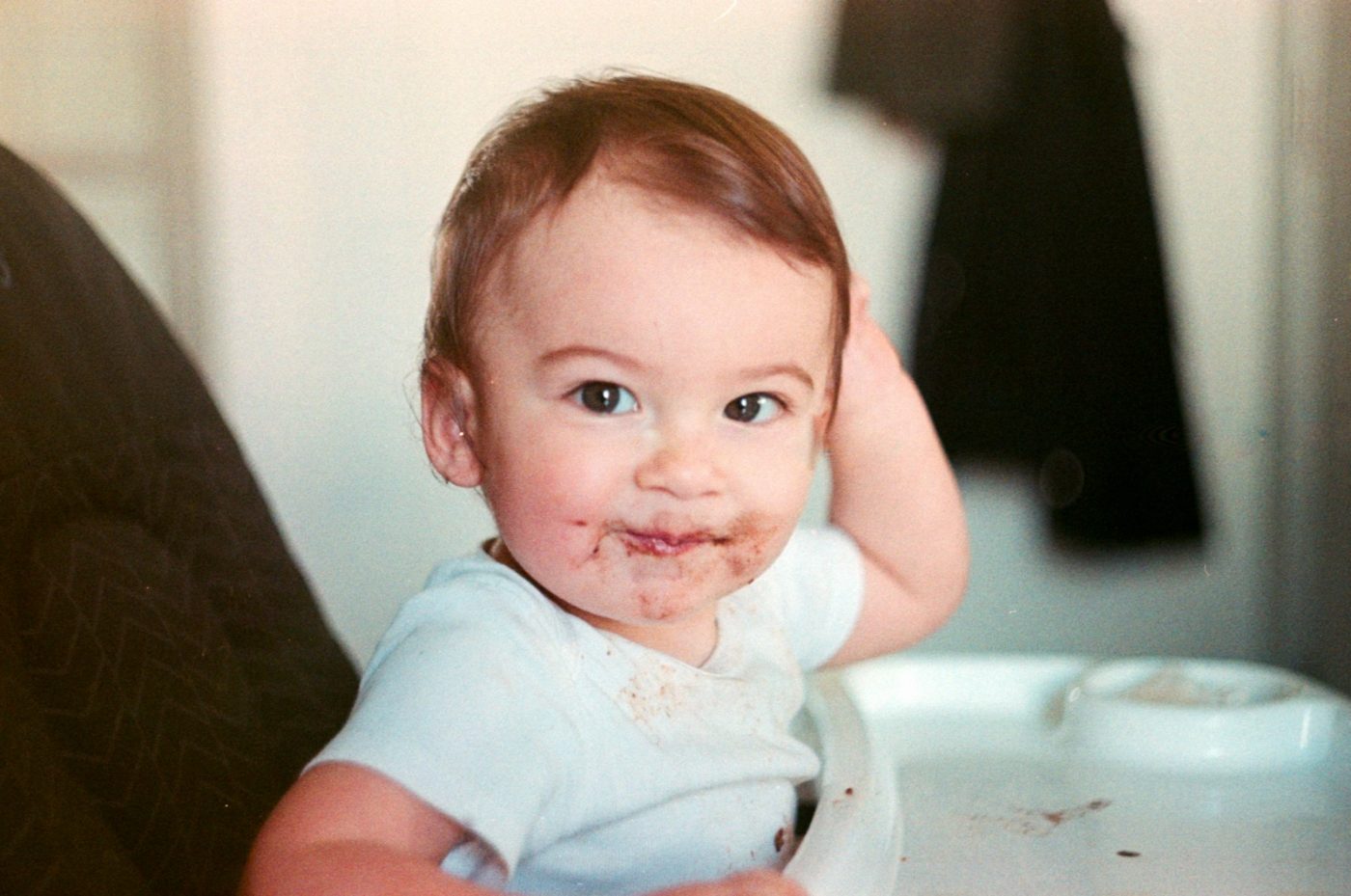
Gluten-free bread follows the same introduction timeline as regular wheat bread. Most pediatricians recommend offering soft bread strips or toast fingers around 6 months of age, when a baby shows signs of readiness for solids and can sit with minimal support. The key factor is texture and choking risk, not whether the bread contains gluten.
Choose a soft gluten-free loaf that tears easily and avoid dense, chewy varieties that a baby cannot gum apart. Lightly toasting the bread helps it hold together so a baby can grip it without the slice turning into a gummy ball in the mouth. Always supervise closely and offer small pieces once the child develops a pincer grasp, typically around 9 months.
For toddlers and older children, gluten-free bread remains a safe everyday food. The only age-related caution for any bread: very fresh, doughy slices can clump and stick to the roof of the mouth, so cut into manageable strips or toast lightly to reduce that risk at any age.
Ingredients That Make a Gluten-Free Bread More Nutritious for Kids
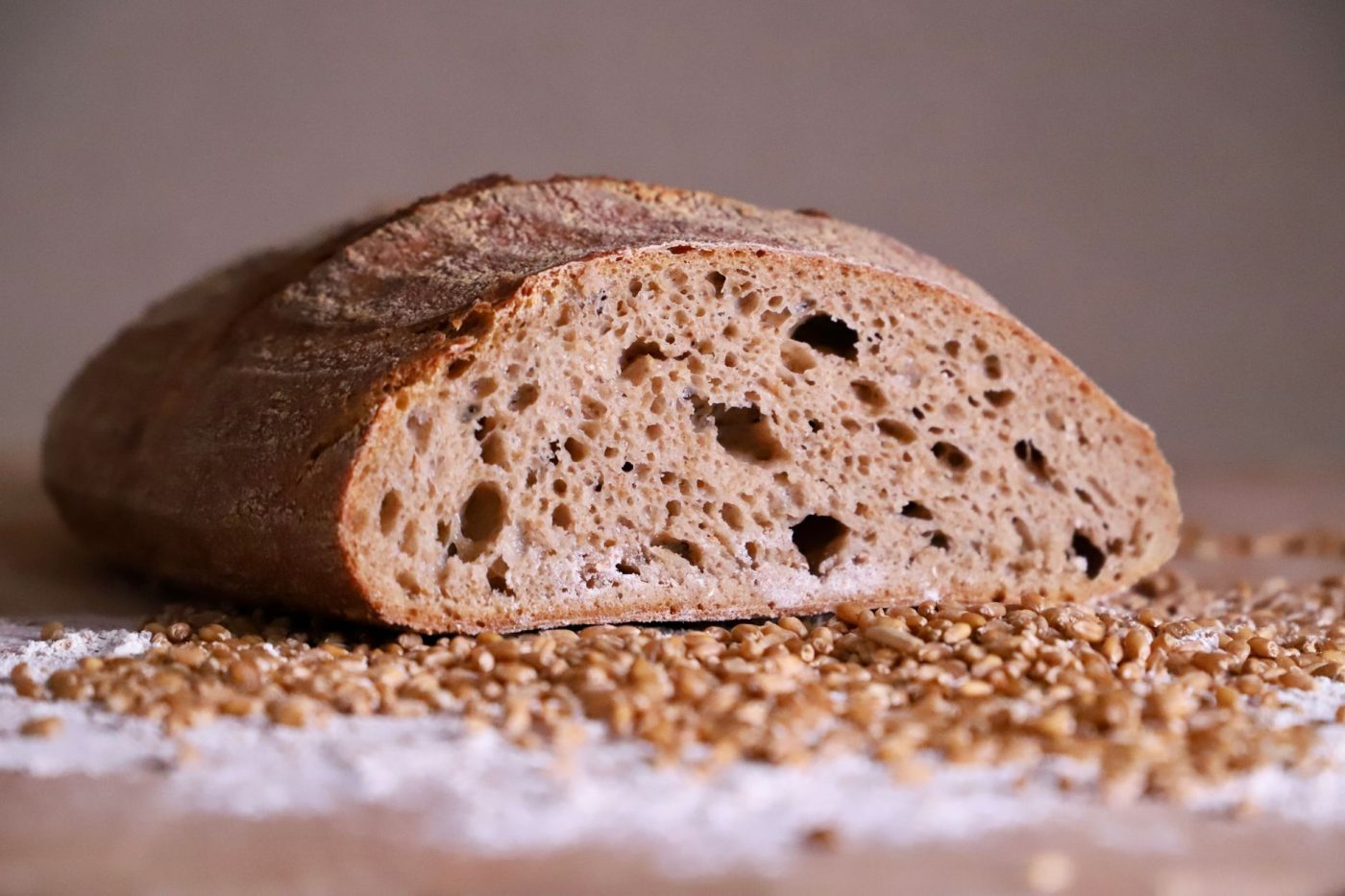
Many packaged gluten-free breads rely on refined starches like tapioca or white rice flour, which offer quick energy but very little fiber or protein. Choose or bake bread with whole food ingredients to meaningfully improve its nutritional profile. Look for loaves that list nutrient-dense flours and seeds among the first few ingredients.
These ingredients add fiber, healthy fats, and protein that help keep a child full longer and support steady energy levels throughout the school day. They also provide minerals like iron, calcium, and magnesium that are sometimes lower in a gluten-free diet.
- Almond flour supplies protein, vitamin E, and monounsaturated fats while creating a tender crumb.
- Sorghum flour has a mild, slightly sweet taste and contributes fiber, iron, and B vitamins.
- Teff flour is a tiny grain native to Ethiopia that packs calcium, iron, and resistant starch for gut health.
- Ground flaxseed delivers omega-3 fatty acids and lignans, plus it helps bind moisture in the dough.
- Psyllium husk acts as a gluten replacement for structure and adds soluble fiber that supports digestion.
How to spot cross-contamination risks at home and at school
Even a certified gluten-free loaf becomes unsafe if it touches a crumb from regular wheat bread. At home, keep a separate toaster or use a clean toaster bag for gluten-free slices. Dedicated butter, jam, and nut butter jars stop a knife that touched regular bread from carrying gluten back into the container. Mark the gluten-free jars with a bright sticker or keep them on a different shelf.
Wooden cutting boards and colanders trap gluten in scratches and small holes, so use a smooth plastic or glass board for preparing gluten-free food. Wipe down counters before you unpack lunch boxes and wash hands after handling any regular sandwich. These habits matter most in a busy kitchen where both types of bread are eaten every day.
A conversation with the teacher or cafeteria staff makes school safer. Ask whether the classroom has a designated gluten-free snack table and if children wash hands before and after eating. Pack your child’s bread and spread in a separate container and teach them not to swap snacks with friends unless an adult confirms the food is safe. A simple written note inside the lunch box helps staff remember the rules during a rushed meal.
FAQ
Can a child without celiac disease eat gluten-free bread every day
Yes, a child without celiac disease can eat gluten-free bread daily as part of a balanced diet. The key is to choose varieties made with whole grain flours and seeds so the child still gets enough fiber and nutrients. Pairing the bread with protein and vegetables helps round out the meal.
Does gluten-free bread contain enough fiber for a growing child
Some gluten-free breads are low in fiber, but many brands now use whole grain gluten-free flours and added seeds to boost fiber content. Look for at least 2 to 3 grams of fiber per slice on the nutrition facts panel. You can also serve the bread with fiber-rich foods like avocado, hummus, or nut butter.
Is homemade gluten-free bread healthier than store-bought for children
Homemade gluten-free bread gives you full control over the ingredients, so you can include nutrient-dense flours and skip excess sugar and preservatives. The trade-off is that homemade versions may lack the vitamin and mineral fortification found in some commercial loaves. Both can be good options when you read labels or choose your recipe carefully.
Should I worry about added sugar in gluten-free bread for my child
Some gluten-free breads contain more added sugar than regular bread to improve taste and texture. Check the ingredient list and choose a loaf with no more than 2 to 3 grams of added sugar per slice whenever possible. Treat sweeter varieties like raisin bread as an occasional option rather than an everyday staple.