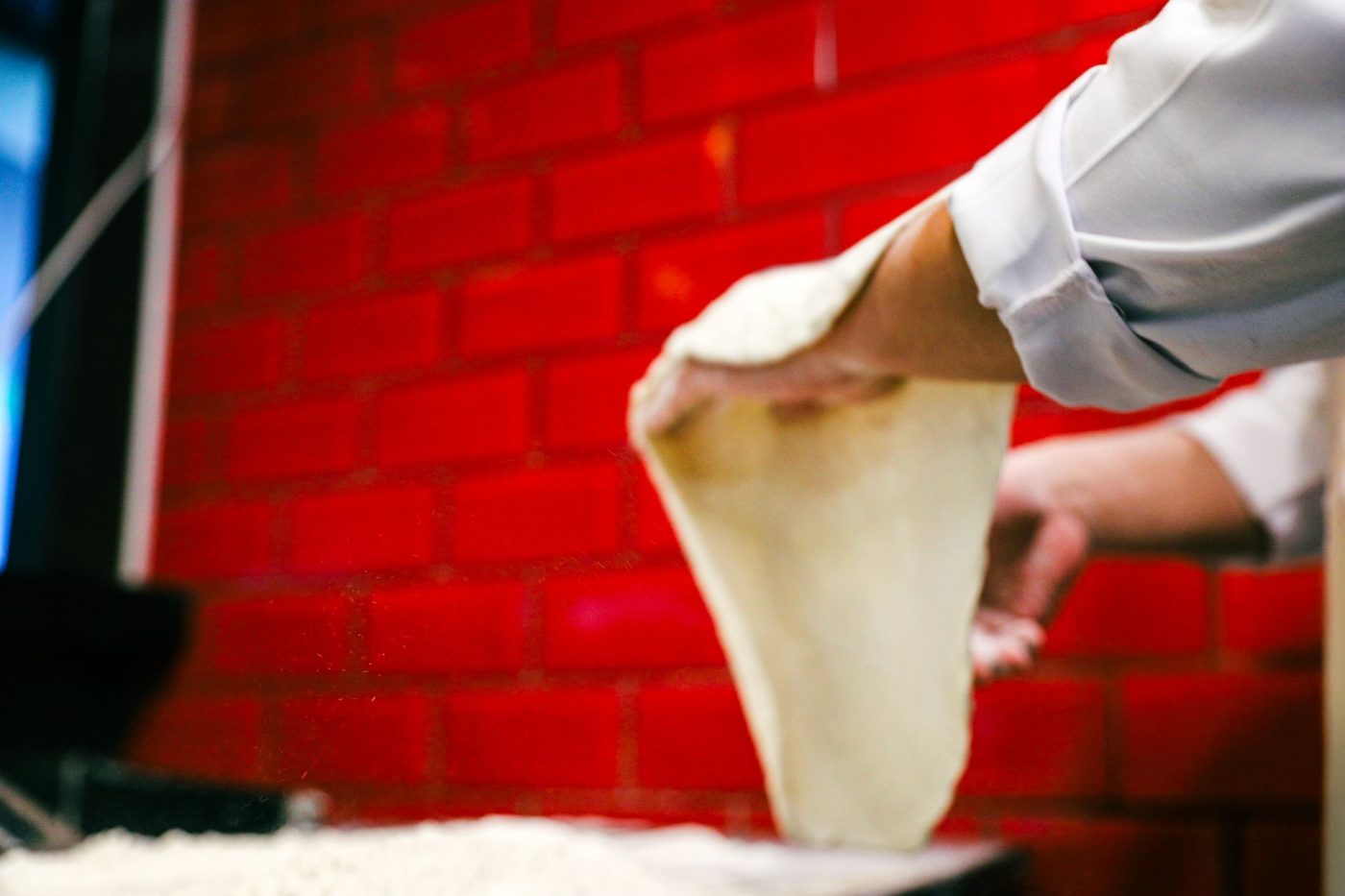
How to Make Gluten-Free Pizza at Home
What flour blend works best for gluten-free pizza dough?
A reliable dough starts with a cup-for-cup all-purpose gluten-free flour blend that already contains xanthan gum. You can swap these blends straight into wheat-based recipes, so you do not need to add binders or adjust the liquid. Bob's Red Mill Gluten Free 1-to-1 Baking Flour and King Arthur Gluten Free Measure for Measure Flour are two widely available options that turn out a dough you can actually stretch and shape.
Single-grain flours such as almond flour or coconut flour behave completely differently. Almond flour has no starch or structure, so it spreads into a flat, crumbly disc. Coconut flour soaks up several times its weight in liquid and turns gritty if you use it alone. Stick with a blend built for all-purpose baking, and check the label to confirm it lists xanthan gum in the ingredients. Without xanthan gum, the dough will crack when you try to roll it out.
How do I make the dough step by step?
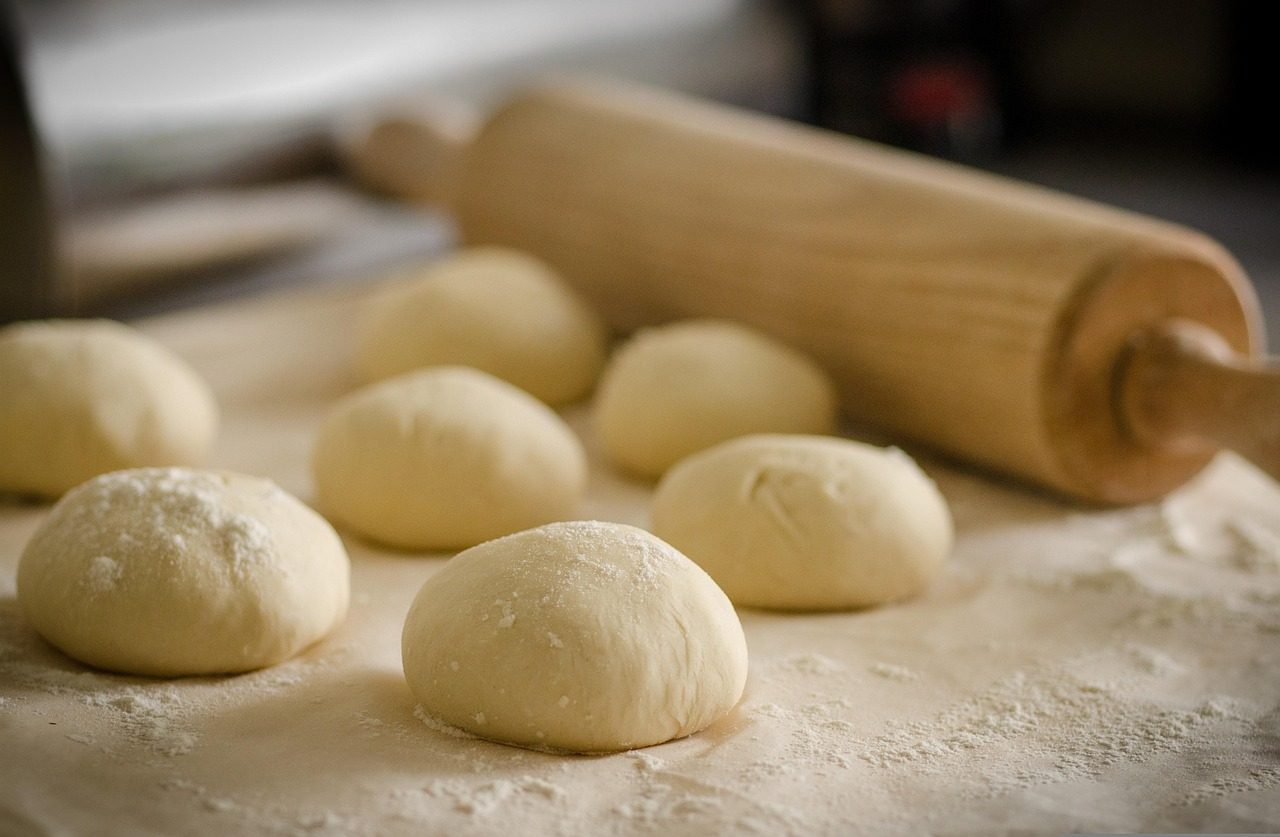
Activate the yeast first so the dough rises properly. In a small bowl, combine 1 cup (240 ml) warm water at about 110°F (43°C), 1 tablespoon sugar or honey, and 2¼ teaspoons (one 7 g packet) active dry yeast. Let it sit for 5 to 10 minutes until the surface turns foamy. If the mixture does not foam, the yeast is likely old. Start over with a fresh packet.
While the yeast proofs, whisk the dry ingredients together in a large mixing bowl. You need 2 cups (280 g) gluten-free all-purpose flour blend that contains xanthan gum, 1 teaspoon baking powder, 1 teaspoon fine sea salt, and 1 teaspoon garlic powder for extra flavor. Once the yeast is ready, pour it into the dry mix along with 2 tablespoons olive oil and 1 large egg at room temperature. Beat the mixture with an electric mixer on medium speed for 2 minutes. The dough will look more like a thick cake batter than traditional pizza dough. That is exactly how it should behave.
Cover the bowl with a clean kitchen towel and let the dough rise in a warm spot for 30 minutes. It will not double in size, but it will puff slightly and develop air bubbles. Line a baking sheet with parchment paper and lightly oil the paper. Scoop the dough onto the parchment and use an oiled spatula or wet fingertips to press it into a 12-inch round, keeping the edges slightly thicker for the crust. Parbake the crust at 425°F (220°C) for 10 minutes before adding your toppings and returning it to the oven until golden and crisp.
- Use a blend with xanthan gum so the dough holds together without crumbling.
- Warm water at 110°F (43°C) wakes up the yeast without killing it.
- Beat the dough for a full 2 minutes to build structure.
- Shape the dough on oiled parchment paper to prevent sticking.
- Parbake the crust before topping to avoid a soggy center.
What baking method gives a crispy crust?
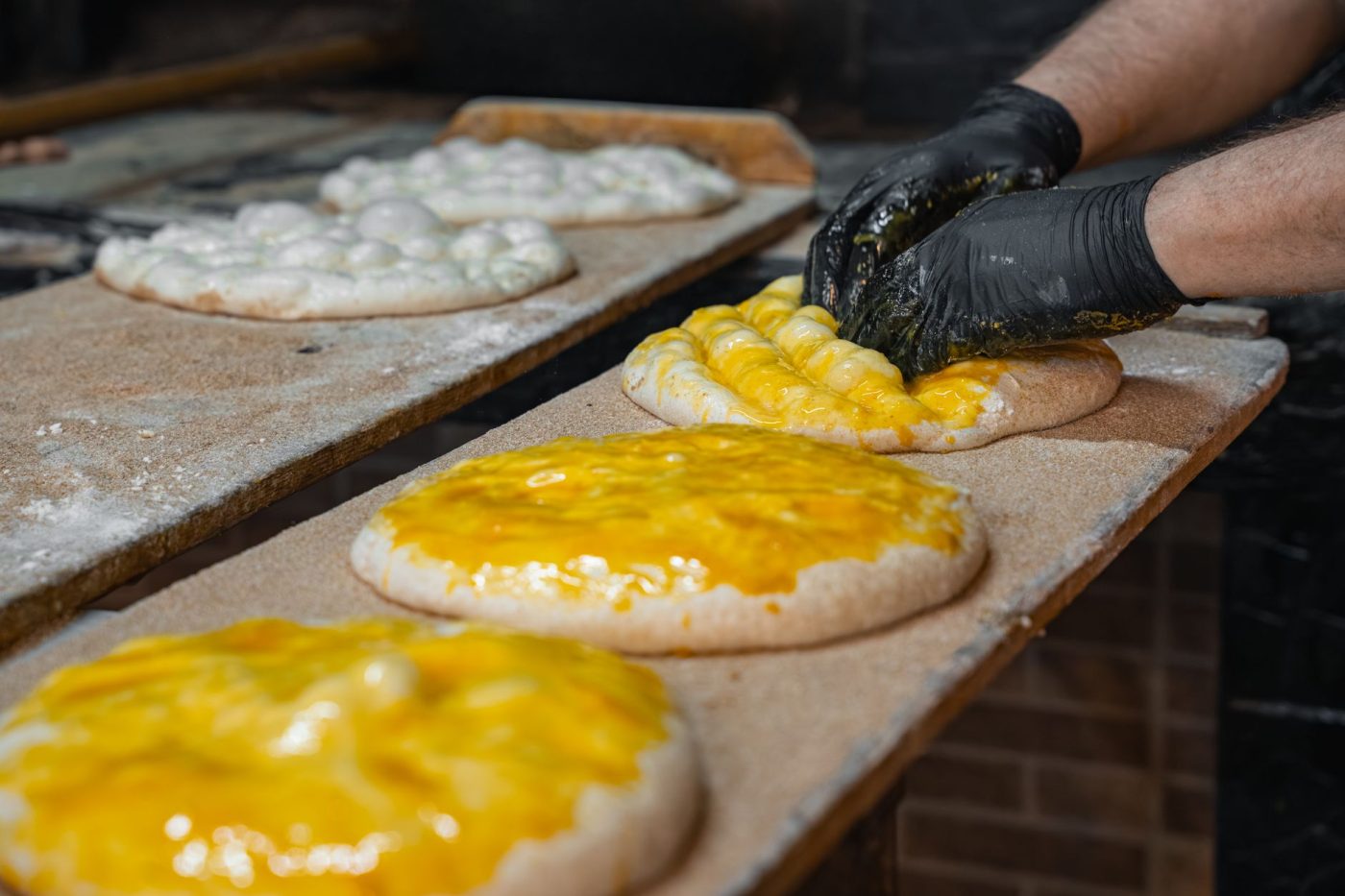
A pizza stone or baking steel, preheated in a very hot oven, gives the closest result to a pizzeria crust. The stone or steel holds intense heat and pulls moisture from the dough the moment it lands, so the bottom sets fast and stays crisp. Place the stone or steel on the middle rack and heat the oven to 500°F (260°C) for at least 45 minutes before baking.
An inverted heavy baking sheet works well if you do not have a stone. Turn a rimmed sheet upside down, set it on the middle rack, and preheat it the same way. Slide the pizza onto the hot surface with a floured pizza peel or a flat cutting board dusted with gluten-free flour or cornmeal.
Par-baking the crust without toppings keeps the middle from getting soggy. Roll or press the dough onto a piece of parchment paper, slide it onto the hot surface, and bake for 5 to 7 minutes until the top looks dry and the edges just begin to color. Pull the par-baked crust out, add sauce and toppings, then return it to the oven for another 6 to 8 minutes until the cheese bubbles and the bottom is deep golden.
Which toppings are safe and which ones hide gluten?
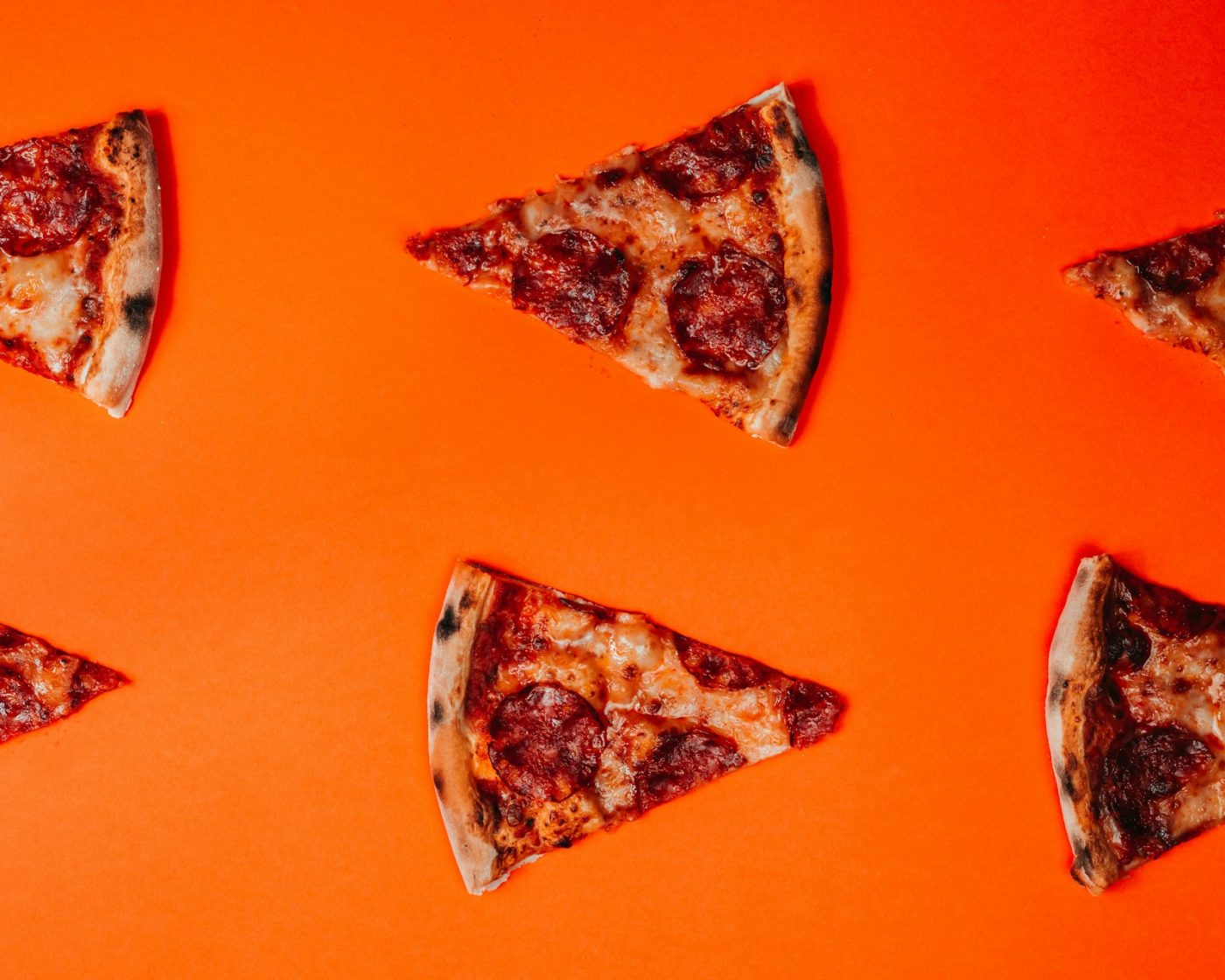
Fresh vegetables, plain meats and most cheeses are naturally gluten-free starting points. The risk hides in processed toppings that use wheat starch, flour, or barley malt extract as fillers, binders, or flavorings. Always read the ingredient list on every package, even if you bought the same brand before, because formulations can change without warning.
Cross-contamination during manufacturing is a separate concern for anyone with celiac disease. A product with no gluten ingredients can still be unsafe if it shares a line with wheat. Look for a certified gluten-free label or contact the manufacturer directly when you are unsure.
- Pre-shredded cheese: The anti-caking powder on shredded mozzarella or cheddar often contains wheat starch or flour. Buy block cheese and grate it yourself at home to keep it safe.
- Pepperoni and sausage: Many brands use wheat-based fillers or dextrose derived from wheat. Read the label carefully, and choose sausage marked gluten-free, or slice your own from a whole cooked sausage you have verified.
- Imitation crab: Surimi is almost always made with wheat starch as a binder. Real lump crab meat, canned or fresh, is the safe substitute, but still check the can for additives.
- Marinated or sauced meats: Teriyaki sauce, soy sauce and many barbecue sauces contain wheat. Plain grilled chicken, ground beef or bacon with no added sauce make a safer base, and you can season them with salt, pepper, garlic and dried herbs.
- Jarred pizza sauce: Most plain tomato sauces are gluten-free, but a few thickeners or "spice blends" hide flour. A short ingredient list that starts with tomatoes, oil, salt and herbs is what you want.
Plain vegetables such as mushrooms, bell peppers, onions, olives and fresh basil are reliably safe. Pickled jalapeños and artichoke hearts packed in brine are usually fine, but drain them well so the crust does not get soggy. If you use cured meats like prosciutto, check that no wheat-based dextrose or maltodextrin was used in the cure.
Can I freeze gluten-free pizza dough?
Yes, gluten-free pizza dough freezes well and it is a practical way to have a quick meal ready during the week. The best moment to freeze the dough is right after the first rise, while the yeast is still active and the texture is at its peak. Shape the dough into a ball, wrap it tightly in plastic wrap, then place it inside a freezer bag with the air pressed out. Label the bag with the date and use the dough within two months for the best quality.
When you are ready to bake, move the dough to the refrigerator the night before and let it thaw slowly. The next day, take it out 30 minutes before shaping so it loses the chill. The crust will be slightly more dense than fresh dough because freezing weakens the yeast a little, but it will still brown and crisp up nicely in a hot oven. If the dough feels sticky after thawing, dust your hands and the work surface with a light coat of your gluten-free flour blend.
You can also freeze the dough already pressed into a round. Par-bake the crust for five minutes at 400 degrees Fahrenheit, let it cool completely on a wire rack, then wrap and freeze it flat. This method saves you the step of shaping later and the crust bakes up almost as crisp as fresh.
FAQ
Why did my gluten-free pizza dough turn out gummy?
Gumminess usually comes from too much water or underbaking. Gluten-free doughs often need a slightly drier mix and a longer bake at a high temperature. Par-baking the crust for 5 to 7 minutes before adding sauce and toppings also helps drive off extra moisture.
Do I need xanthan gum in the flour?
If your all-purpose gluten-free blend already contains xanthan gum, you do not need to add more. If you are mixing your own flour from scratch, a small amount of xanthan gum helps hold the dough together and gives it a chewier bite.
Can I make this dough dairy-free as well?
Yes. The dough itself does not contain dairy. For toppings, use a dairy-free cheese that melts well and check that your pepperoni or sausage is also free of milk ingredients if you need to avoid both gluten and dairy.
Is yeast gluten-free?
Most dry and instant yeast is gluten-free, but some brands may be processed in facilities that handle wheat. If you have celiac disease, look for yeast labeled gluten-free or contact the manufacturer to confirm it is safe.