Can You Make Gluten-Free Desserts Without Eggs
Why do gluten-free recipes often need eggs
In traditional baking, wheat flour contains gluten proteins that form a stretchy network when mixed with liquid. This network traps air, holds the batter together, and gives baked goods their structure. Gluten-free flours such as rice flour, almond flour, and oat flour lack these proteins entirely, so the batter has no built-in framework to rely on.
Eggs step in to do the work that gluten would normally handle. The proteins in egg whites coagulate during baking and create a solid structure, while the fats in the yolks add moisture and richness. Eggs also act as a binder that keeps the crumb from falling apart, and when whipped they trap air bubbles that help a cake rise. In a gluten-free recipe, removing eggs without a proper replacement often leads to a dessert that is dry, crumbly, and flat.
That is why gluten-free baking without eggs requires a substitute that can perform at least two of those three jobs: binding, adding moisture, or trapping air. Several pantry ingredients do exactly that, and choosing the right one depends on the texture you want in the finished dessert.
What are the best egg substitutes for gluten-free baking
The most reliable egg substitutes for gluten-free desserts are flax eggs, chia eggs, aquafaba, mashed banana, applesauce, commercial egg replacer powder, yogurt and silken tofu. Each behaves differently in a batter, so the right choice depends on whether you want a tender cake, a chewy cookie or a fudgy brownie.
Gluten-free flours lack the elasticity that wheat gluten provides, so your substitute often needs to do two jobs at once: bind the ingredients and trap enough air for a good rise. Some options are better at binding, others at adding moisture, and a few can even whip into a foam.
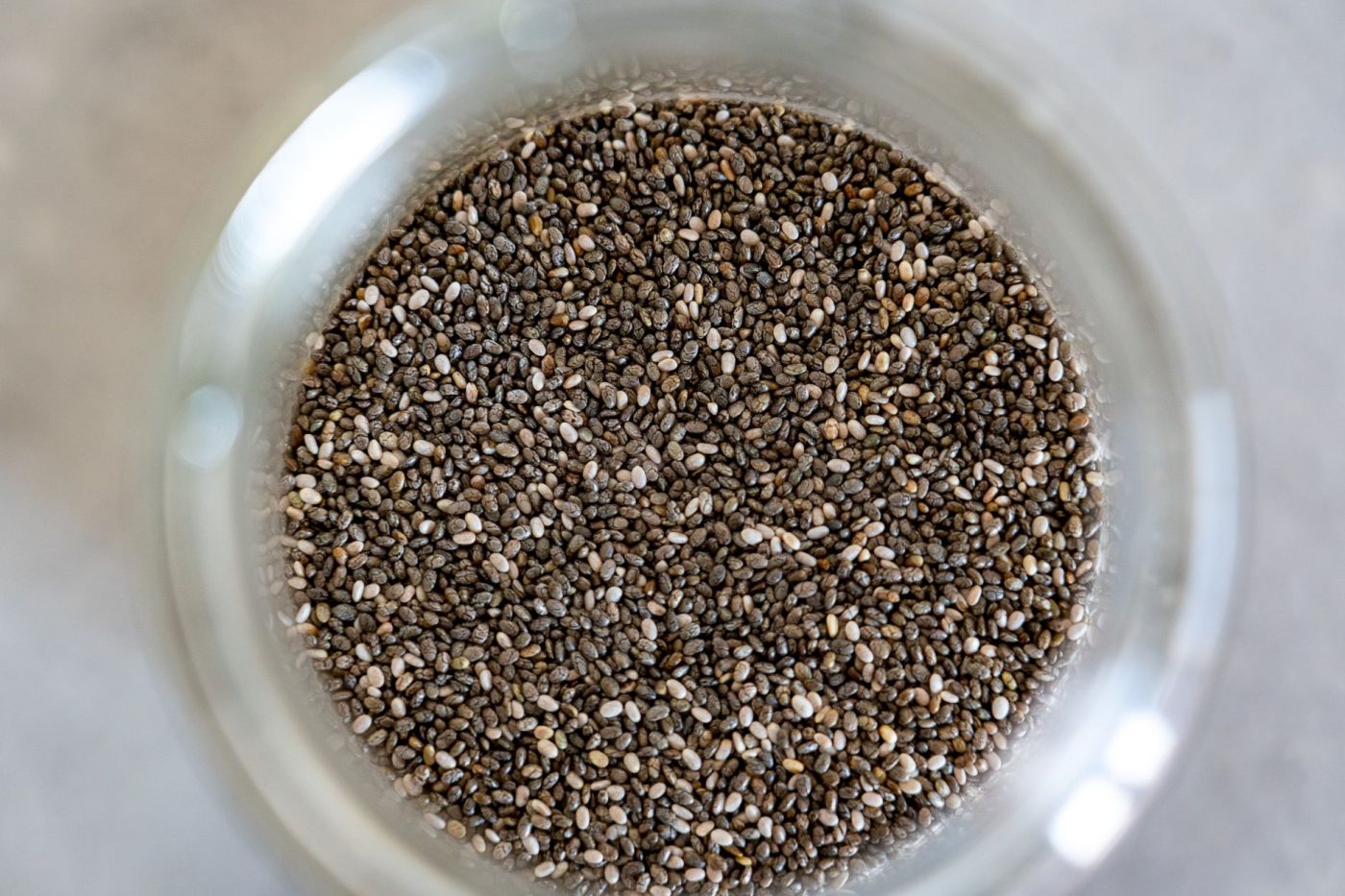
- Flax egg and chia egg work best in hearty desserts like oatmeal cookies, muffins and quick breads. Mix 1 tablespoon of ground flax or chia seeds with 2.5 to 3 tablespoons of water and let the gel set for 5 to 10 minutes. They add a nutty flavor and a slightly denser crumb.
- Aquafaba, the liquid from a can of chickpeas, is the closest match to whipped egg whites. Use 3 tablespoons per whole egg or 2 tablespoons per egg white. Whip it with cream of tartar for meringues, mousses and airy cakes that need real lift.
- Mashed banana and applesauce add natural sweetness and a lot of moisture. Use a quarter cup to replace one egg. They suit soft desserts like banana bread, spice cakes and brownies, but they can make cookies cakey rather than crisp.
- Silken tofu and yogurt give a smooth, creamy texture to cheesecakes, custards and dense cakes. Blend a quarter cup of silken tofu until completely smooth for one egg. Plain yogurt works the same way and adds a pleasant tang.
A commercial egg replacer powder, usually made from potato or tapioca starch with leavening agents, is a dependable all-rounder when you want a neutral flavor and a predictable result. Follow the package ratio, usually 1 to 2 teaspoons of powder whisked with 2 to 3 tablespoons of warm water per egg.
Which substitute works best for gluten-free cakes
Aquafaba, the liquid from a can of chickpeas, and commercial egg replacer powder give the lightest crumb in gluten-free cakes. Three tablespoons of aquafaba replace one whole egg, and when whipped to stiff peaks it traps air much like egg whites do. A powdered egg replacer, such as Ener-G or Bob’s Red Mill, mixed with warm water according to the package directions, also produces a tender, even texture in vanilla or white cake.
Flax eggs and applesauce add moisture but make the cake denser because they do not incorporate air. One flax egg, made from one tablespoon of ground flaxseed and three tablespoons of water, works well in chocolate cake or spice cake where a heavier crumb is welcome. Unsweetened applesauce, using a quarter cup per egg, suits carrot cake or gingerbread for the same reason.
For a birthday-style layer cake that needs to rise and slice cleanly, aquafaba or a commercial replacer is the safer choice. If you do use flax or applesauce, reduce the liquid in the recipe by two to three tablespoons to keep the batter from turning gummy.
How do I replace eggs in gluten-free cookies
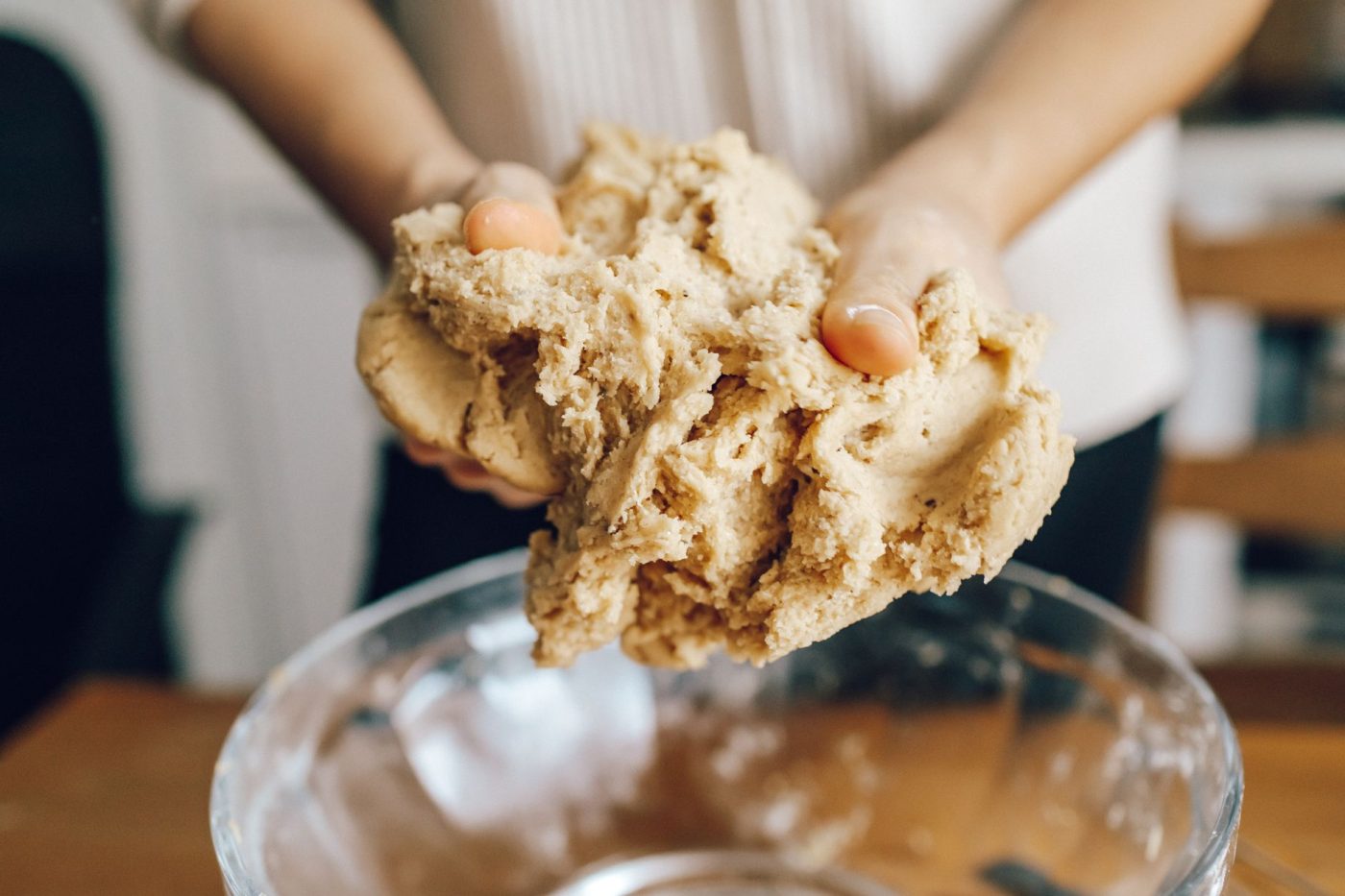
You can replace eggs in gluten-free cookie dough with a few pantry ingredients, and the choice changes the texture. Flax eggs and chia eggs create a chewy, slightly dense cookie that holds its shape well, much like a classic chocolate chip cookie. Mashed banana or unsweetened applesauce make cookies softer and more cake-like, which suits oatmeal cookies, banana cookies, or spiced drop cookies.
For a flax egg, mix one tablespoon of ground flaxseed meal with two and a half tablespoons of water and let it sit for five minutes until it forms a gel. A chia egg works the same way using one tablespoon of chia seeds and two and a half tablespoons of water. Both bind the dough and add a pleasant nutty chew. When you want a softer, puffier cookie, use a quarter cup of mashed ripe banana or applesauce per egg, and reduce the other liquid in the recipe by a tablespoon or two to keep the dough from spreading too much.
- Flax egg: 1 tbsp flaxseed meal plus 2.5 tbsp water, rest 5 minutes
- Chia egg: 1 tbsp chia seeds plus 2.5 tbsp water, rest 5 minutes
- Mashed banana: 1/4 cup per egg, reduces spread, adds sweetness
- Unsweetened applesauce: 1/4 cup per egg, keeps cookies soft and tender
- Commercial egg replacer: follow package directions, works well for neutral flavor
Gluten-free cookie dough without eggs can feel fragile before baking, so chilling the dough for twenty to thirty minutes helps the fats firm up and the flours hydrate fully. Scoop the chilled dough onto a parchment-lined baking sheet and press the tops slightly, since egg-free cookies spread less on their own. Bake at the temperature the recipe calls for and watch for the edges to turn golden brown. The centers will set as they cool on the baking sheet for five minutes before you move them to a wire rack.
Can I make gluten-free brownies without eggs
Gluten-free brownies without eggs are not only possible, they can turn out exceptionally fudgy. Brownies are one of the most forgiving desserts for egg-free baking because their texture relies more on fat and moisture than on the structure eggs provide in a cake. The goal is a dense, rich square that holds together but stays soft in the middle, and several substitutes deliver exactly that.
For the fudgiest result, use a quarter cup of plain yogurt or silken tofu per egg. Both add moisture without making the batter runny, and the slight tang of yogurt deepens the chocolate flavor. A flax egg, made from one tablespoon of ground flaxseed mixed with three tablespoons of water and left to gel for five minutes, also works well and adds a subtle nuttiness that complements dark chocolate.
If you prefer a brownie with a lighter, less dense crumb, aquafaba is the best choice. Use three tablespoons of the liquid from a can of unsalted chickpeas per egg, whipped briefly until frothy before folding it into the batter. Keep in mind that aquafaba brownies will rise more during baking and settle as they cool, so let them rest in the pan for at least twenty minutes before slicing.
- Plain yogurt: ¼ cup per egg, fudgy texture
- Silken tofu: ¼ cup puréed per egg, neutral taste
- Flax egg: 1 tbsp flaxseed meal plus 3 tbsp water, nutty note
- Aquafaba: 3 tbsp per egg, lighter crumb
How do I adjust the recipe when using an egg substitute
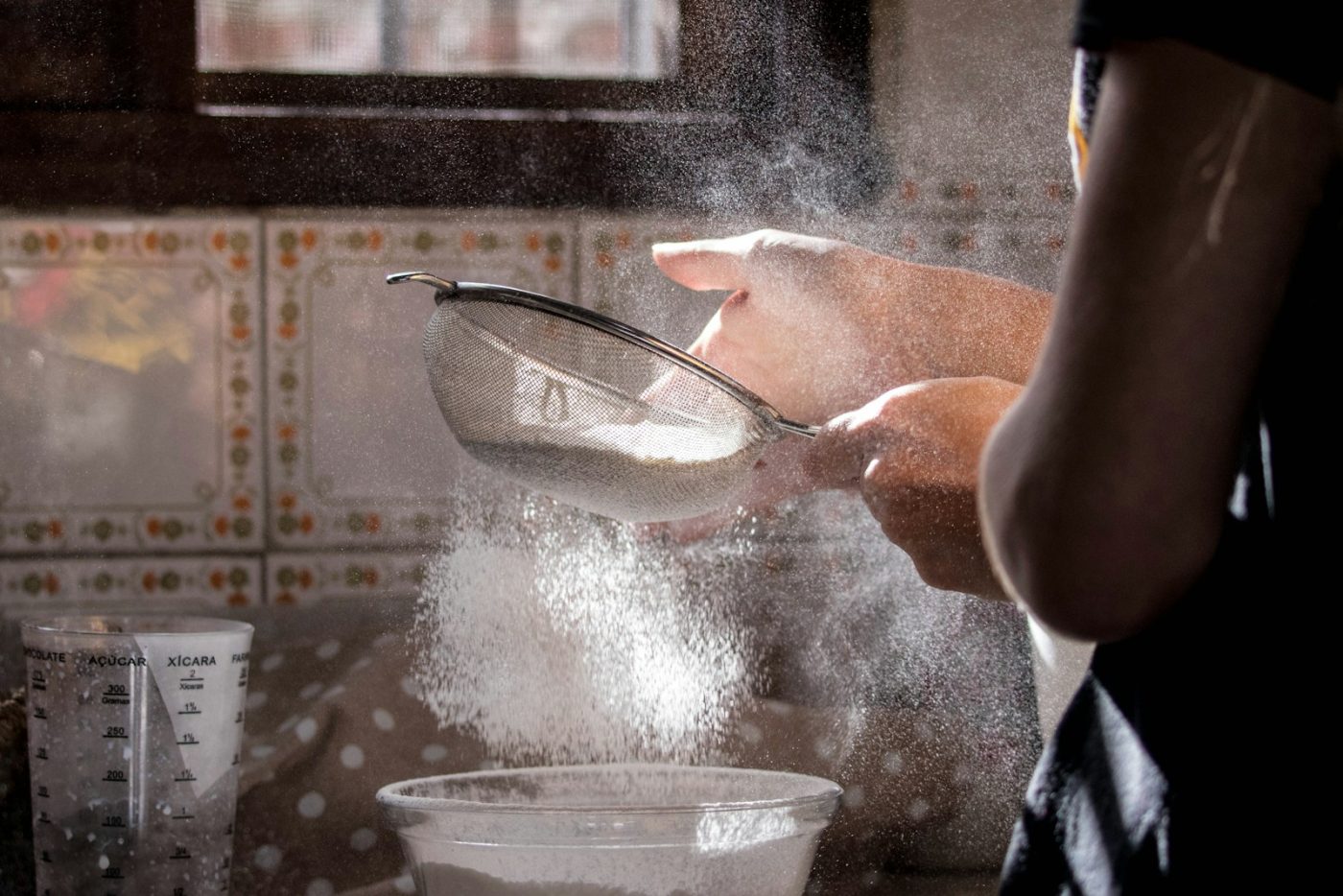
Start by replacing each egg with one measured portion of your chosen substitute. Measure precisely, because a flax egg made with too much water will throw off the liquid balance in a gluten-free batter just as easily as one made with too little.
Watch the batter consistency after mixing. Gluten-free flours absorb moisture differently than wheat flour, and egg substitutes do not provide the same binding power. If the batter looks stiff or dry, stir in an extra tablespoon of liquid, usually the same liquid already in the recipe, such as milk or water. Add it a little at a time and stop when the batter looks smooth and spoonable.
For desserts that need lift, like cakes or cupcakes, an egg substitute alone may not give enough structure. Add an extra half teaspoon of baking powder per cup of gluten-free flour blend to help the crumb set. Bake one test batch first and check the texture before making a larger quantity.
What common mistakes should I avoid
A few common missteps can turn a promising dessert into a dense or gritty disappointment. The most frequent one is choosing an egg substitute that adds too much moisture for a recipe that needs to be crisp or chewy. Applesauce and mashed banana work beautifully in soft cakes and brownies, but they can make cookies spread into flat, cakey puddles.
Another risk is forgetting to check that the substitute itself is gluten-free. Some commercial egg replacer powders and plant-based yogurts contain wheat starch or malt flavoring. Always read the label, even on products you have used before.
Common pitfalls when you bake without eggs:
- Using a high-moisture substitute like applesauce or pumpkin puree in a cookie recipe that should be crisp or chewy. Stick with a flax egg or a commercial starch-based replacer for those textures.
- Forgetting to verify that the egg substitute is gluten-free. Powders, liquid replacers, and flavored yogurts can hide wheat starch or barley malt.
- Skipping a binder when your gluten-free flour blend does not already contain xanthan gum or guar gum. Without eggs, the batter lacks the proteins that hold air and structure, so a binder becomes essential.
- Adding the substitute all at once instead of incorporating it gradually. Rushing the mixing step often leaves pockets of dry flour or uneven texture in the finished dessert.
- Ignoring the need to adjust baking time. Egg-free batters often set a little faster on the edges, so start checking for doneness 3 to 5 minutes earlier than the original recipe states.
- Using an egg substitute straight from the fridge without letting it come to room temperature. A cold flax egg or chilled aquafaba can seize the fat in the batter and create a heavy crumb.
FAQ
Is aquafaba really gluten-free
Aquafaba is the liquid from canned chickpeas, and chickpeas are naturally gluten-free. If you have celiac disease, check the can label for any gluten-containing additives or cross-contamination warnings.
Can I use the same egg substitute for every gluten-free dessert
No single substitute works for every dessert. Aquafaba is great for light cakes and meringues, flax eggs work well in cookies and muffins, and silken tofu suits dense brownies and cheesecakes.
Do I need xanthan gum if I am not using eggs
Often, yes. Eggs provide binding and structure, so when you remove them, a binder like xanthan gum or psyllium husk helps prevent the dessert from crumbling. Check whether your gluten-free flour blend already includes it.
Will the dessert taste different without eggs
The flavor changes slightly depending on the substitute. Banana and applesauce add sweetness and a mild fruit note, while flax and chia have a nutty taste. Aquafaba and commercial replacers are the most neutral.