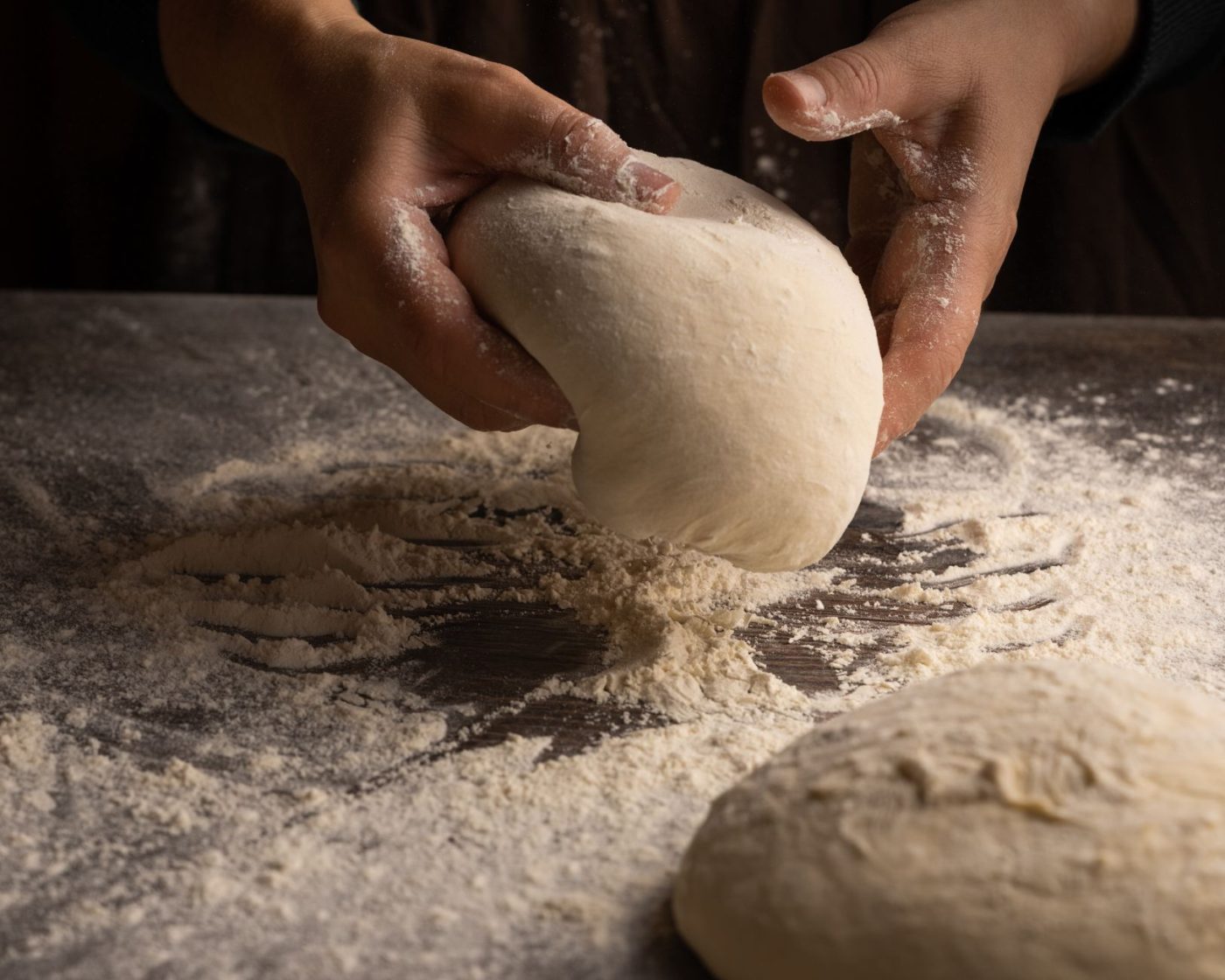
Why Gluten-Free Dough Sticks to Your Hands (and How to Fix It)
Why does gluten-free dough feel stickier than regular dough?
Wheat dough gets its smooth, workable texture from gluten. When you mix wheat flour with water, two proteins (glutenin and gliadin) link together and form an elastic network that traps water inside. Gluten-free flours do not have these proteins, so there is no stretchy web to hold moisture in place. The water sits loose between the starch granules, so the dough feels wet and tacky.
Gluten-free flours and starches also absorb liquid at different rates than wheat flour. Rice flour, for example, takes up water slowly and can leave a slick film on the surface of the dough. Starches like tapioca and potato starch turn gummy the moment they touch liquid, which makes the dough cling to your fingers. Without gluten, the mixture stays a shaggy, sticky mass instead of forming a firm ball.
A wheat dough develops structure as you knead it. Gluten-free dough has nothing to develop. Kneading only warms the starches and makes the stickiness worse, because heat accelerates how fast the starches swell. Most gluten-free recipes therefore instruct you to mix only until the ingredients come together.
Which gluten-free flours make dough the stickiest?
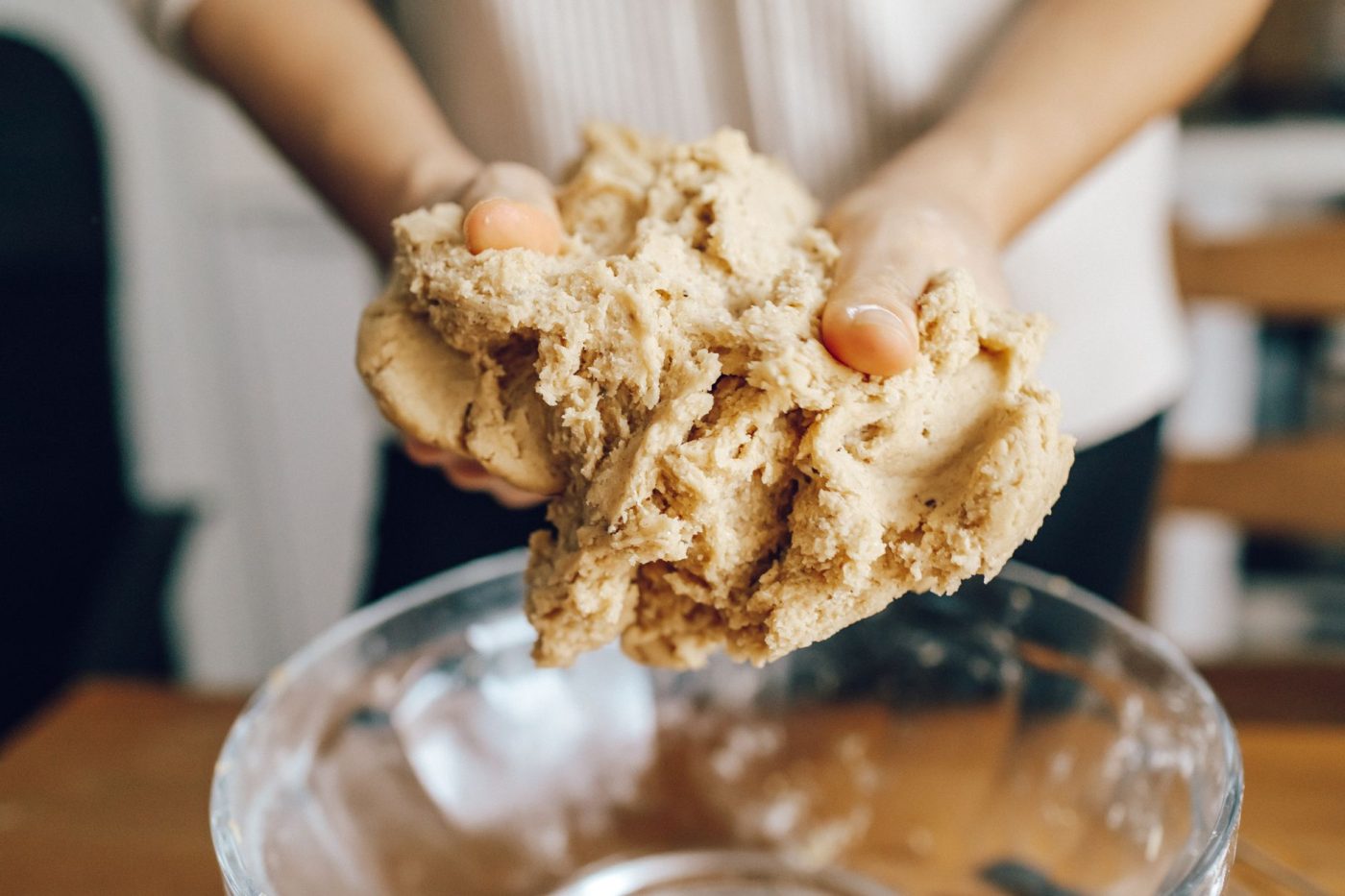
Not all gluten-free flours behave the same way. The stickiest ones tend to be finely ground, high in natural moisture, or rich in starch. They cling to your skin even when the dough's consistency seems correct.
These are the flours that cause the most trouble, and why each becomes so tacky:
- Almond flour. Made from blanched, ground nuts, it releases its natural oils as you knead. Those oils coat your hands and create a persistent, greasy stickiness.
- Coconut flour. This flour absorbs several times its weight in liquid, but the fine, fibrous particles cling to damp skin and form a paste that is hard to scrape off.
- Tapioca starch and flour. With a texture like fine dust, tapioca turns gummy the moment it meets water. It is the main reason many blend recipes feel impossibly sticky when raw.
- Sweet rice flour (glutinous rice flour). Despite the name, it contains no gluten. Its high starch content and very fine grind make it extremely tacky, almost like working with thick paste.
- Oat flour (home-ground). When you grind your own certified gluten-free oats, the resulting flour is often coarser than commercial versions but still holds moisture at the surface, making dough feel damp and sticky.
How can I handle sticky dough without adding too much flour?
Chilling the dough for 20 to 30 minutes is the simplest first step. Cold dough is less tacky because the fats firm up and the starches begin to absorb moisture more evenly. Scoop the dough onto a piece of plastic wrap, press it into a flat disc, and refrigerate it before you try to shape it.
Wetting or oiling your hands also works well with most gluten-free doughs. A thin film of cool water or a neutral oil on your palms keeps the dough from grabbing your skin. Reapply as soon as the dough starts to stick again. A bench scraper is another useful tool for lifting and turning sticky dough without touching it directly.
- Chill the dough for 20 to 30 minutes in a flat disc shape before handling.
- Keep a small bowl of cool water nearby and dampen your hands as needed.
- Coat your palms lightly with a neutral oil like grapeseed or avocado oil.
- Use a bench scraper to lift, fold, and turn the dough on the work surface.
- Roll the dough between two sheets of parchment paper instead of on a floured counter.
Should I add more flour to fix sticky gluten-free dough?
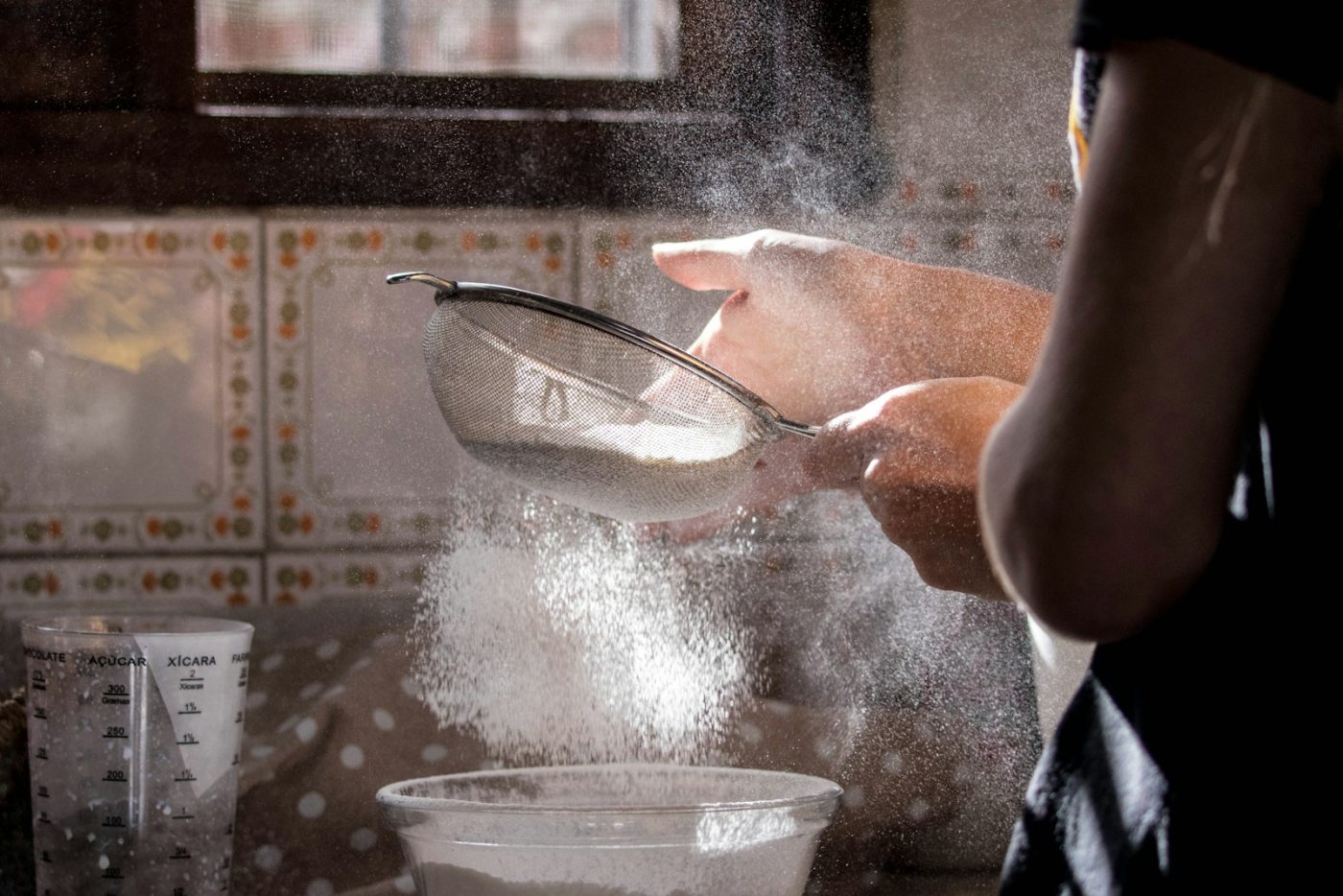
Adding more flour often makes the problem worse. Gluten-free flours and starches absorb moisture more slowly than wheat flour. What feels too wet after two minutes of mixing may firm up on its own after a short rest. If you add flour to get a workable texture right away, you can easily end up with double the dry ingredients the recipe intended. The baked result will be dry, crumbly and dense, because there is not enough liquid to hydrate the starches and binders properly.
A light dusting of flour on your hands and work surface is safe and often helps. That thin layer prevents sticking without changing the dough’s overall ratio. The trouble starts when you scoop extra flour into the bowl. Even a quarter cup too much can throw off the balance of moisture, fat and binder that gluten-free recipes rely on for tenderness. If the dough is unworkably wet after resting, add flour one tablespoon at a time, mixing fully between additions, and stop as soon as the dough stops clinging to your palms.
Does resting the dough help with stickiness?
Yes, a rest in the refrigerator almost always reduces stickiness. Gluten-free flours and starches absorb liquid more slowly than wheat flour. A 20-30 minute chill gives rice flour, tapioca starch and potato starch time to hydrate fully, so the dough firms up and loses its surface tack.
You can test this yourself with any sticky dough. Divide it in half, shape one portion right away and chill the other for half an hour. The rested dough will feel noticeably drier to the touch and hold its shape better on the counter. Wrap the dough tightly in plastic wrap before refrigerating so it does not form a dry skin.
For doughs that still feel tacky after resting, a second short chill after shaping often helps. Drop shaped cookies or formed rolls into the fridge for 10-15 minutes before baking. The cold firms up the fat in the dough, which also reduces spreading in the oven and gives you a cleaner edge on cutouts.
What is the best surface and tool for rolling gluten-free dough?
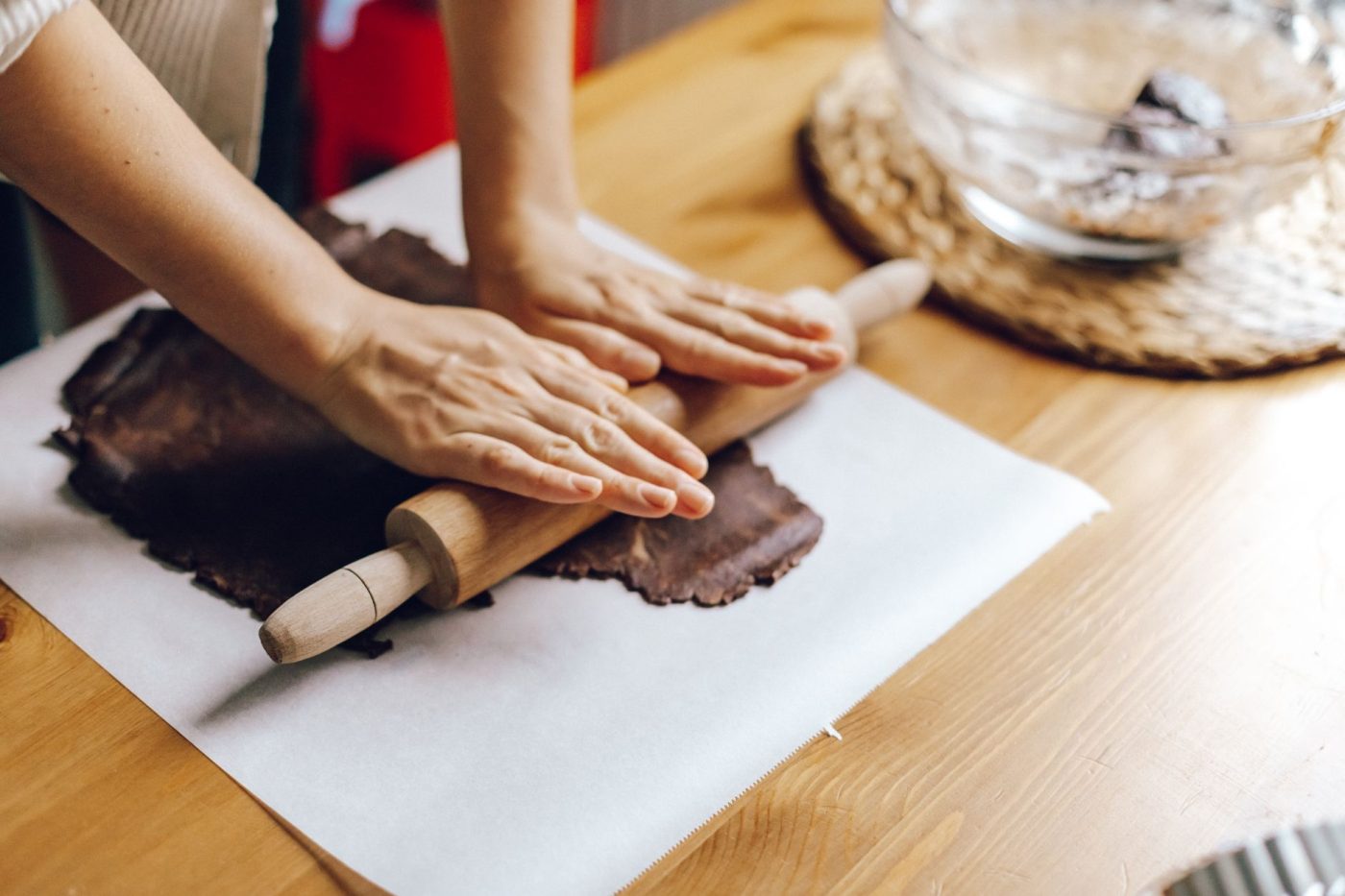
A floured countertop rarely works well for gluten-free dough. The dough absorbs the extra starch or flour unevenly, often turning dry on the outside while the center stays sticky. A non-stick barrier between the dough and your work surface gives you more control.
Parchment paper is the most reliable everyday option. Place the dough between two sheets and roll directly on top. The paper peels away cleanly without tearing the dough, and you can slide the whole sheet onto a baking tray without lifting the shaped piece.
A silicone rolling mat works similarly but grips the counter better than parchment. Choose a mat with measurement markings if you often make pie crusts or cookies. A lightly oiled rolling pin, wiped with a neutral oil on a paper towel, prevents dragging and lets you use less dusting flour. Wooden pins absorb moisture over time, so a stainless steel or marble pin is easier to keep truly clean for gluten-free baking.
- Roll dough between two sheets of parchment paper for a no-flour, no-stick method.
- Use a silicone mat with a non-slip backing to keep the work surface steady.
- Wipe a stainless steel or marble rolling pin with a thin film of neutral oil instead of flour.
- Chill the dough for 20 minutes before rolling to firm up the fats and reduce stickiness.
- Roll from the center outward in short, even strokes rather than pressing down hard.
- If the top sheet of parchment wrinkles, peel it off, smooth it back down, and continue rolling.
Can a different liquid or fat make the dough less sticky?
The temperature and type of fat you use change how tacky gluten-free dough feels. Cold butter creates a firmer, less sticky dough because the solid fat coats the starch granules before melting in the oven. Room-temperature butter or liquid oil blends into the flour immediately, which can make the dough feel wetter and cling to your fingers. For pie crusts and cut-out cookies, start with cold butter cut into small cubes.
Reducing the liquid in the recipe by a tablespoon or two often helps when the dough is unworkably sticky. Gluten-free flours absorb moisture more slowly than wheat flour, so a dough that seems too wet right after mixing may firm up with a short rest. If you use oil instead of butter, measure it carefully. A dough made with oil needs less added liquid than one made with butter because oil is already 100 percent fat with no water content.
Eggs also affect stickiness. An extra egg yolk adds richness and helps bind the dough, but too much egg white introduces more water and makes the dough tackier. If your recipe calls for a whole egg and the dough is too sticky, try using just the yolk and add a teaspoon of cold water only if needed to bring the dough together.
FAQ
Is sticky dough a sign that my gluten-free flour blend is bad?
No. Stickiness is a normal characteristic of most gluten-free doughs, not a sign of spoilage. It happens because the blend relies on starches and gums instead of gluten for structure. If your flour smells off or shows signs of mold, those are the real indicators that it has gone bad.
Can I use the same amount of flour as a wheat recipe and just swap it?
Usually not. Gluten-free flours absorb moisture differently, so a one-to-one swap by volume often produces a wetter, stickier dough. Weighing your ingredients with a kitchen scale gives you the most consistent results, and using a blend formulated to replace wheat flour cup for cup is the easiest starting point.
Why does my gluten-free dough stick even after I chilled it?
Chilling helps a lot, but some doughs, especially those high in tapioca starch or honey, stay tacky. In that case, lightly oil your hands and tools instead of reaching for more flour. Working quickly and touching the dough as little as possible also keeps it from warming up and becoming stickier.
Is sticky dough a problem for every type of gluten-free bake?
Not always. A batter-like stickiness is expected for things like brownies, muffins, and quick breads. The real challenge is with rolled cookies, pie crusts, and shaped breads where you need to handle the dough. For those, the tips in this article make the process much easier.


)