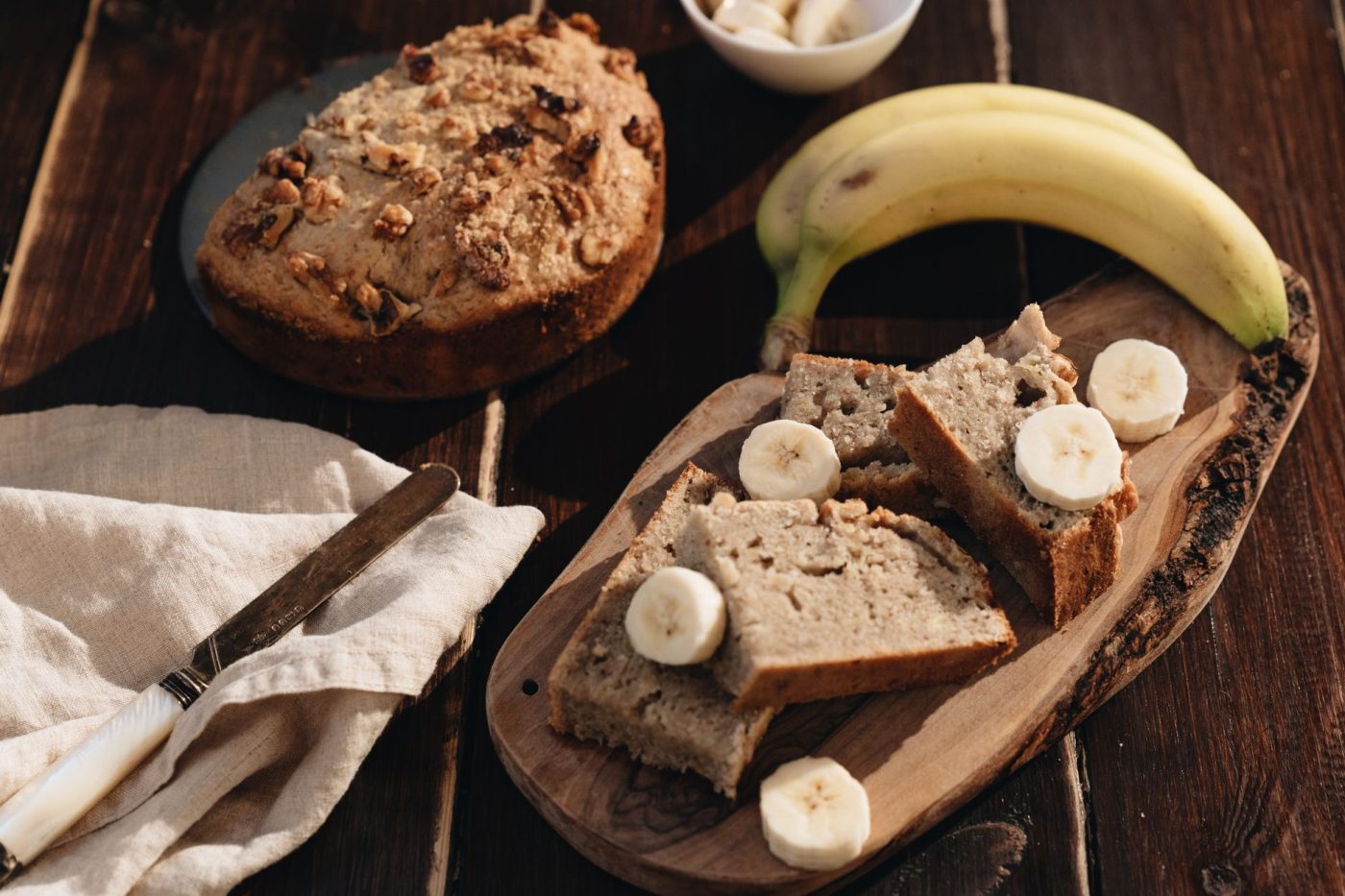
Gluten Free Banana Nut Bread Recipe
What gluten free flour works best for banana nut bread?
A high-quality 1-to-1 gluten free flour blend that already contains xanthan gum gives the most reliable results. These blends are designed to swap directly for all purpose wheat flour by weight or by cup, so you do not need to adjust the liquid or add binders yourself. Look for a blend with a short ingredient list built on rice flour, potato starch and tapioca starch. The xanthan gum replaces the stretch that gluten provides, keeping the crumb tender instead of crumbly.
Single grain flours like almond flour, coconut flour or oat flour cannot be used as a direct 1-to-1 substitute in this recipe. Almond flour makes banana bread heavy and greasy because it contains far more fat and no starch. Coconut flour absorbs several times more liquid than wheat flour and will turn the batter into a dry paste. If you want to use a single flour, you need a recipe written specifically for that flour and its unique absorption rate.
Store bought blends that work well include Bob's Red Mill 1 to 1 Baking Flour, King Arthur Measure for Measure and Cup4Cup. Whichever blend you choose, whisk it well before measuring to re distribute any settled starches, then spoon it into a dry measuring cup and level it with a straight edge. Scooping directly from the bag packs in too much flour and leads to a dense loaf.
What ingredients do I need for gluten free banana nut bread?
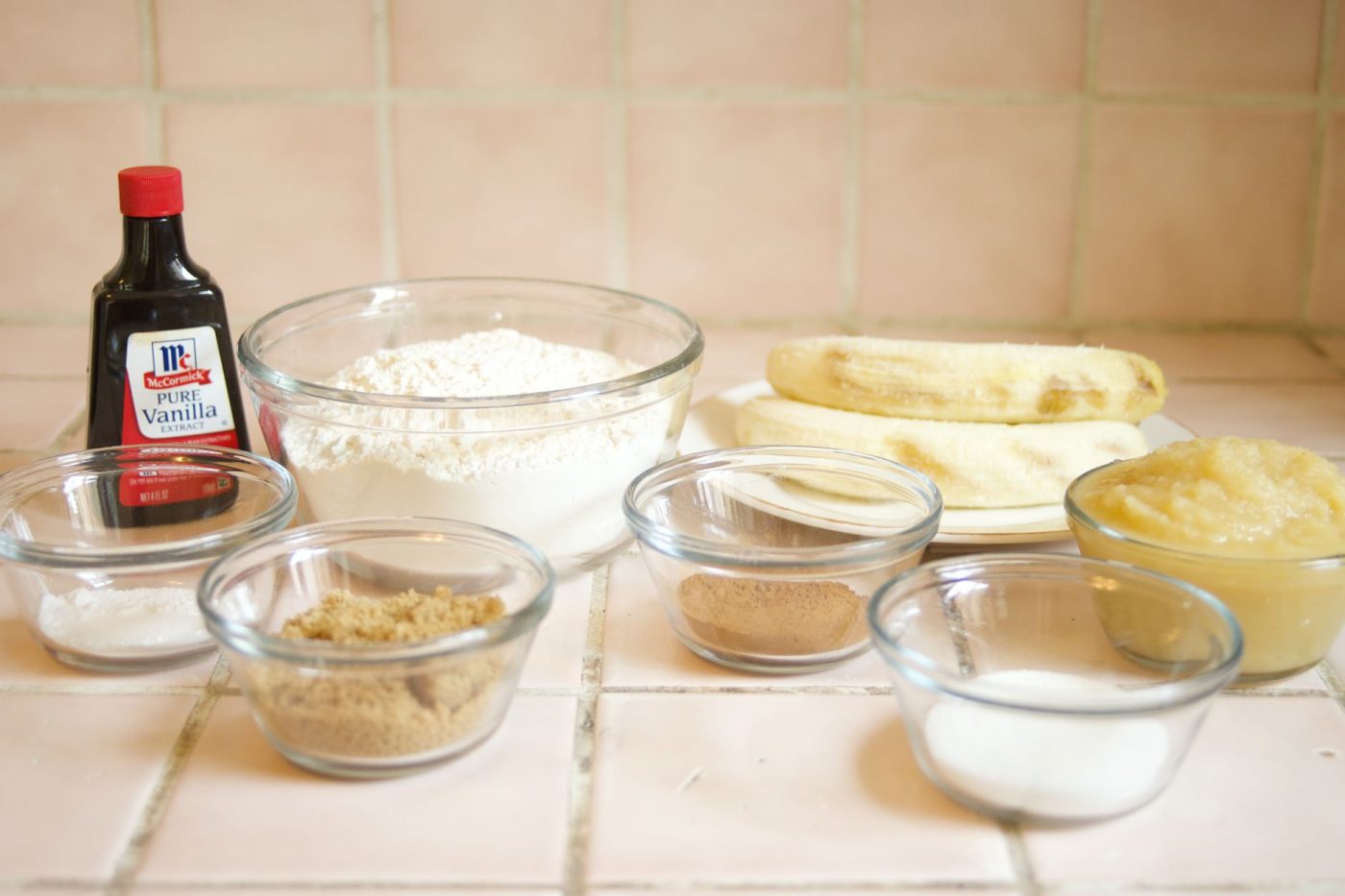
Having the right ingredients ready makes mixing smooth and quick. Every ingredient below works reliably with gluten free flour, so the loaf holds together and stays tender.
- 3 medium very ripe bananas, about 1½ cups (340 g) mashed, with plenty of brown spots on the peel for natural sweetness
- 2 cups (280 g) gluten free all-purpose flour blend that contains xanthan gum; a cup for cup style blend works without adjustments
- ½ cup (60 g) chopped raw walnut pieces, not candied or flavored, plus 2 tablespoons extra for the top
- ½ cup (100 g) granulated sugar and ¼ cup (55 g) packed light brown sugar
- 2 large eggs at room temperature, beaten lightly before adding to the bowl
- ⅓ cup (80 ml) neutral tasting oil such as avocado oil or light olive oil, not extra virgin
- 1 teaspoon baking soda, ½ teaspoon fine sea salt, and 1½ teaspoons pure vanilla extract
Check that your gluten free flour blend lists xanthan gum on the label. If it does not, add ¾ teaspoon of xanthan gum to the dry ingredients. The walnuts should be plain raw pieces. Toasted walnuts bring extra depth, but raw ones soften just enough during baking while keeping a pleasant crunch.
How do I make gluten free banana nut bread step by step?
Heat your oven to 350°F (175°C). Grease a standard 9 by 5 inch loaf pan and line it with a strip of parchment paper so the ends hang over the long sides. This makes it much easier to lift the finished loaf out.
Whisk the dry ingredients together in a medium bowl. In a large bowl, mash the ripe bananas with a fork until mostly smooth, then beat in the melted butter or oil, sugar, eggs and vanilla until the mixture looks uniform. Stir the dry blend into the wet ingredients just until no streaks of flour remain. Fold in the chopped walnuts gently, stopping as soon as they disappear into the batter.
Scrape the batter into the prepared pan and smooth the top. Bake on the center rack for 55 to 65 minutes. The loaf is done when a toothpick inserted into the tallest part comes out clean or with only a few moist crumbs clinging to it, and the top springs back when you press it lightly. Let the bread cool in the pan on a wire rack for 10 minutes, then use the parchment handles to lift it out and let it cool completely before slicing.
- Use bananas with deep brown spots for the best sweetness and moisture.
- Measure the gluten-free flour by spooning it into the cup and leveling it off, never scooping directly from the bag.
- If the top browns too quickly, tent the pan loosely with foil after 40 minutes.
- Resist cutting into a warm loaf, as the crumb sets fully as it cools.
- Check your gluten-free flour blend contains xanthan gum; if it does not, add half a teaspoon.
How do I keep gluten free banana bread moist?
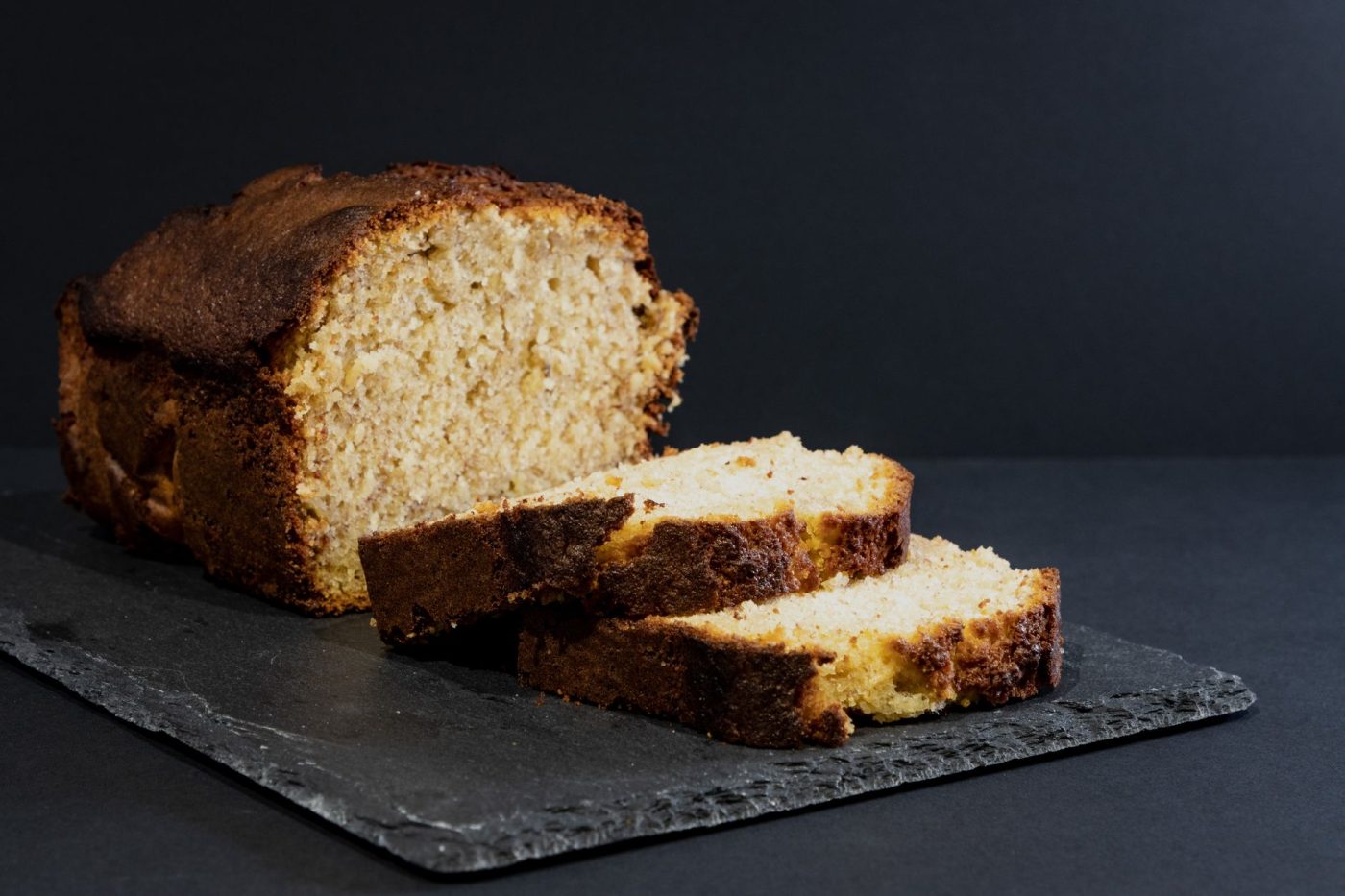
Mashed banana and oil provide most of the moisture in this loaf, so measuring both correctly makes a big difference. Use very ripe bananas with plenty of brown spots and mash them until only small lumps remain. A neutral oil like avocado or light olive oil coats the flour proteins more effectively than butter, helping the crumb stay tender for days.
Overbaking is the quickest way to dry out gluten free banana bread. Start checking five minutes before the shortest time in the recipe and pull the pan the moment a toothpick inserted in the center comes out with a few moist crumbs clinging to it, not completely clean. The bread continues to cook from residual heat as it cools in the pan.
Measuring flour by weight instead of scooping with a cup prevents a dense, dry texture. Spoon gluten free flour blend lightly into a measuring cup and level it with the back of a knife, or weigh it if your blend lists a gram equivalent. Too much flour absorbs the liquid from the bananas and leaves the loaf crumbly.
Can I make this banana nut bread dairy free or egg free?
You can swap out the butter, milk, and eggs and still get a tender loaf. For a dairy free version, use a stick style plant based butter instead of regular butter. The sticks contain less water than tub margarine, so the bread holds its structure. Swap the milk for unsweetened almond milk or oat milk. Both work cup for cup with no other changes to the recipe.
To make the bread egg free, replace each egg with one flax egg. Stir one tablespoon of ground flaxseed into three tablespoons of water for each egg. Let the mixture sit for five minutes until it thickens to a gel like texture. The bananas already add moisture and some binding, so flax eggs fit this recipe better than store bought egg replacer powders.
If you need to skip both dairy and eggs, combine the swaps. Use the plant based butter sticks, almond or oat milk, and flax eggs all in one batch. The crumb will be slightly more delicate, so let the loaf cool completely in the pan before you remove it. A serrated knife cuts the cleanest slices.
How should I store and reheat gluten free banana nut bread?
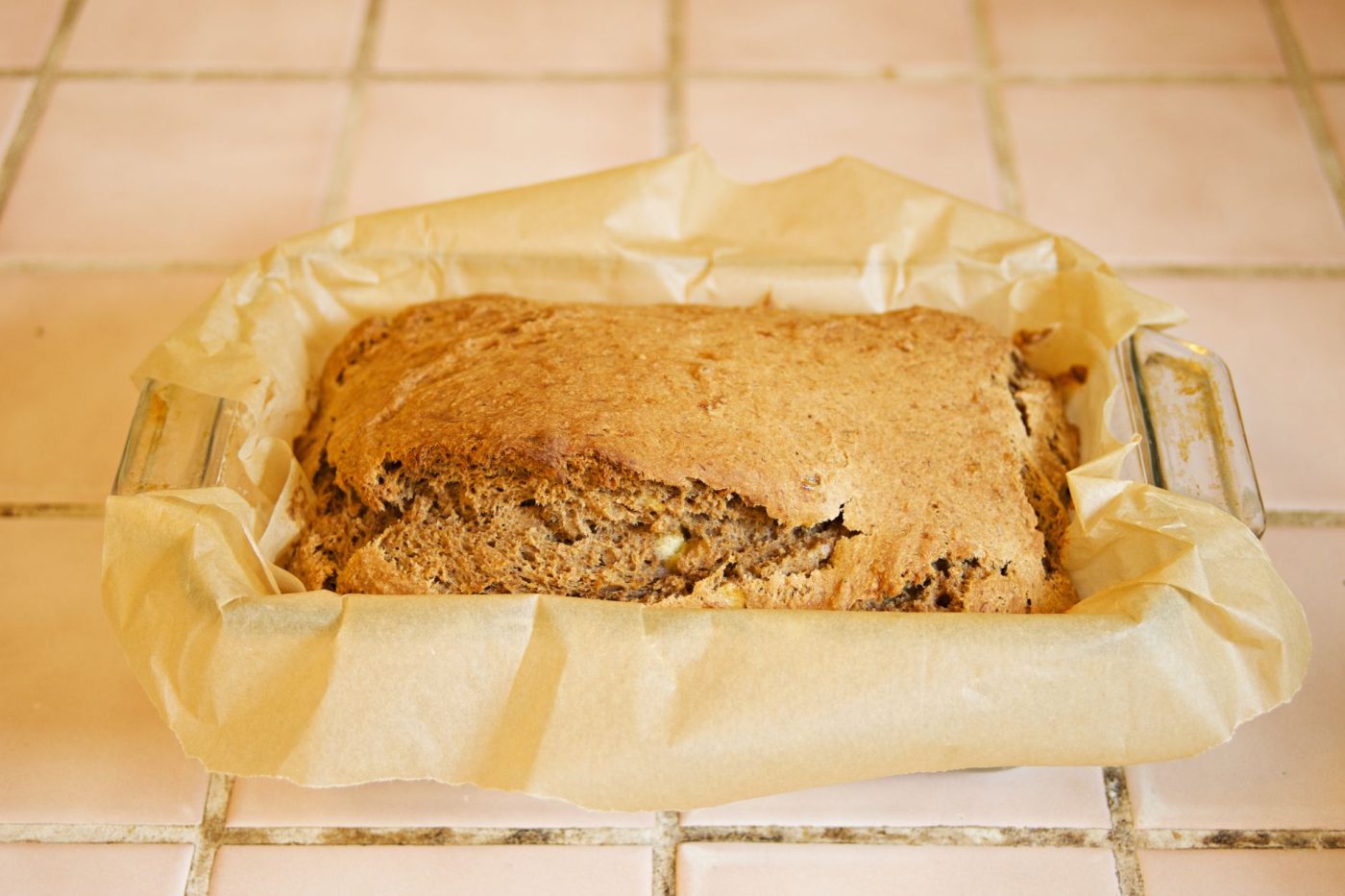
Gluten free banana bread dries out faster than wheat-based quick breads, so airtight storage is essential. Keep the cooled loaf in a sealed container at room temperature for up to three days, with a paper towel tucked underneath to absorb any condensation. Avoid leaving it uncovered on the counter, as the crumb will turn crumbly by the second day.
For longer storage, wrap the whole loaf or individual slices tightly in plastic wrap, then in a layer of foil. Whole loaves freeze well for up to three months, and individually wrapped slices let you thaw only what you need. We don't recommend refrigerating it for more than a day or two, as the cold air pulls moisture from the crumb and can make the texture gummy.
Reheat slices straight from the freezer in a toaster oven at 300°F (150°C) for about eight minutes, or microwave a single slice for 20 to 30 seconds wrapped in a barely damp paper towel. A quick turn in a dry skillet over medium-low heat also crisps the edges nicely without drying out the center.
What mix-ins can I add besides walnuts?
You can swap walnuts for other nuts, fold in chocolate chips, or stir through dried fruit for a different texture. Pecans give a similar buttery crunch and toast well in a dry skillet before you add them to the batter. Almonds, either slivered or roughly chopped, hold their shape after baking and add a lighter snap.
Always check the label on packaged mix-ins; some carry a cross-contamination risk. Chocolate chips, shredded coconut, and dried cranberries are often processed on shared equipment. If you are cooking for someone with celiac disease, look for a certified gluten-free mark.
- Pecans: toast them first to deepen the flavor, then chop them to the size of walnut pieces.
- Dark chocolate chips: pick a brand labeled gluten-free and fold in half a cup right before baking.
- Dried cranberries or raisins: toss them in a little gluten-free flour so they do not sink to the bottom.
- Unsweetened shredded coconut: stir in a quarter cup for a chewy ribbon through the loaf.
- Pumpkin seeds: rinse and dry them, then scatter a handful on top for a salty contrast.
- Chopped almonds: blanch and roughly chop them to keep the crumb tender while baking.
FAQ
Why did my gluten free banana bread sink in the middle?
A sunken center usually means the bread was underbaked or the oven temperature was too low. Check your oven with a separate thermometer, and bake until a toothpick inserted in the center comes out clean or with a few moist crumbs. Opening the oven door too early can also cause sinking, so wait until the last 10 minutes to peek.
Can I use frozen bananas for this recipe?
Yes. Thaw frozen bananas completely and drain off any excess liquid before mashing. The thawed bananas will look very soft and watery, but they work well and often taste sweeter. Measure the mashed banana after draining, not before.
Is this recipe safe for someone with celiac disease?
The ingredients are naturally gluten free, but cross-contamination can happen during manufacturing. Buy walnuts and baking powder labeled gluten free, and check your flour blend for a gluten free certification. If you have celiac disease, ask your doctor about your individual sensitivity and always read labels.
How ripe should the bananas be?
Use bananas that are heavily spotted or completely brown. The peel should look like you would throw the banana away if you were eating it fresh. Underripe bananas do not mash smoothly and will not give the bread enough sweetness or moisture.