Can You Eat Gluten-Free Bread If You Have Diabetes?
Does gluten-free bread raise blood sugar?
Yes, gluten-free bread raises blood sugar, because it is still a carbohydrate food. Removing gluten does not remove starch, and many gluten-free loaves are built on refined flours such as white rice flour and tapioca starch that digest quickly.
Some gluten-free breads even affect blood sugar faster than wheat bread, since refined rice and starch flours lack the fibre and structure of whole grain wheat. The flour blend on the label tells you more than the gluten-free claim does.
If you have diabetes, ask your doctor or a registered dietitian what carbohydrate target fits you at each meal. A dietitian can also help you compare labels and plan portions, which matters more than the gluten-free claim itself.
Which gluten-free flours are gentler on blood sugar?
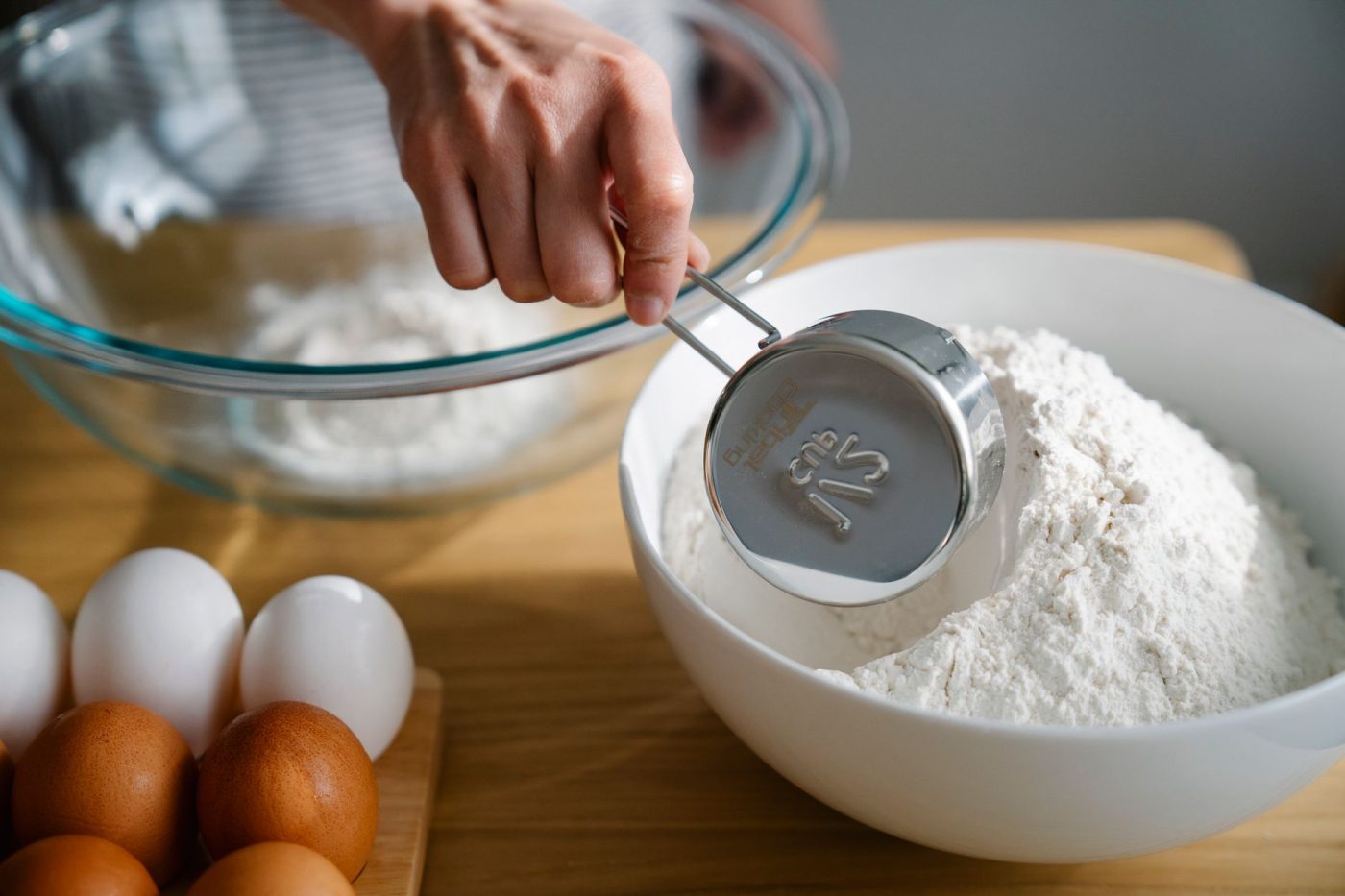
Flours that keep their fiber and protein tend to digest more slowly than refined starches. Almond flour, chickpea flour and buckwheat flour bring protein or fiber to the crumb, while white rice flour, tapioca starch and potato starch are refined and act more like white wheat flour. None of this makes a loaf carb-free, and how your body responds varies, so ask your doctor or dietitian how bread fits your plan.
Blends matter as much as single flours. Many commercial loaves lean on rice flour and tapioca or potato starch for structure, so a "whole grain" claim on the front can hide a starchy base. Check the ingredient order and the fiber line on the nutrition panel.
- Almond flour adds fat and protein and gives a denser crumb.
- Chickpea flour brings protein and fiber with a beany flavor.
- Buckwheat flour is a seed flour with more fiber than white rice flour.
- White rice flour is refined and digests quickly.
- Tapioca starch and potato starch are refined starches used for stretch and lightness.
- Teff and sorghum flours sit between the two groups, with more fiber than refined starch.
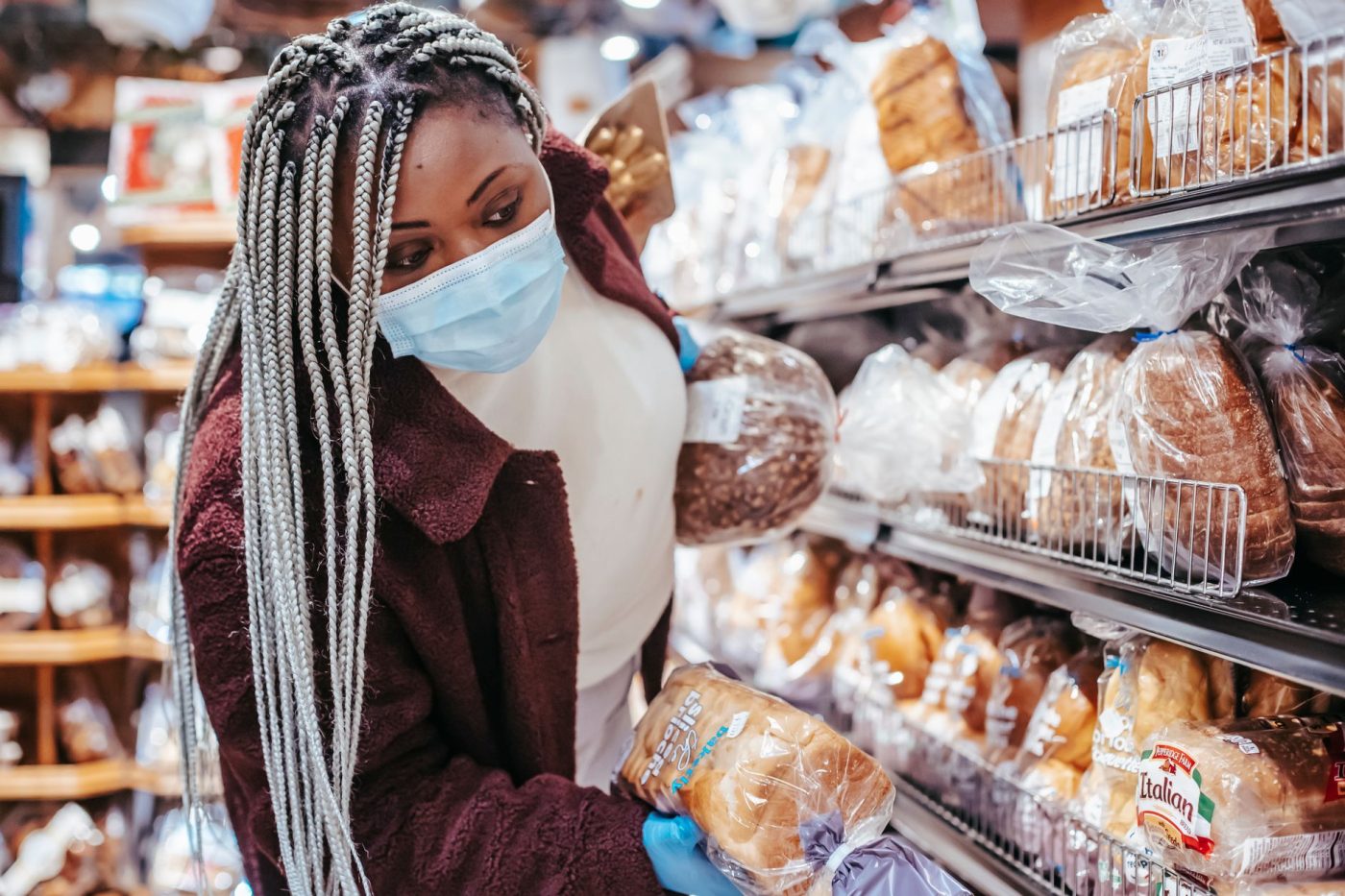
How do I read a gluten-free bread label?
The two labels that matter most on a loaf are the carbohydrate count and the gluten-free certification mark. A slice of gluten-free bread often carries as much carbohydrate as regular bread, and sometimes more, because refined rice and tapioca flours digest quickly. Start with the numbers, then confirm the bread is genuinely gluten-free.
Read the label in this order:
- Check the serving size in grams first, so you know whether one slice equals one serving or half of one.
- Read the total carbohydrate per slice, not per serving, if the two differ.
- Look at dietary fiber; a slice with 3 g or more usually digests more slowly.
- Scan the added sugar line and the ingredient list for honey, syrup or fruit juice concentrate.
- Find the certified gluten-free mark or the words "gluten-free" printed by the manufacturer.
- Glance at the allergen statement for shared-line warnings if you also avoid other foods.
If you have celiac disease or diabetes, take the label to your doctor or a registered dietitian and ask how these numbers fit your plan. They can set a target carbohydrate range per slice for you.
How much gluten-free bread can I eat in one meal?
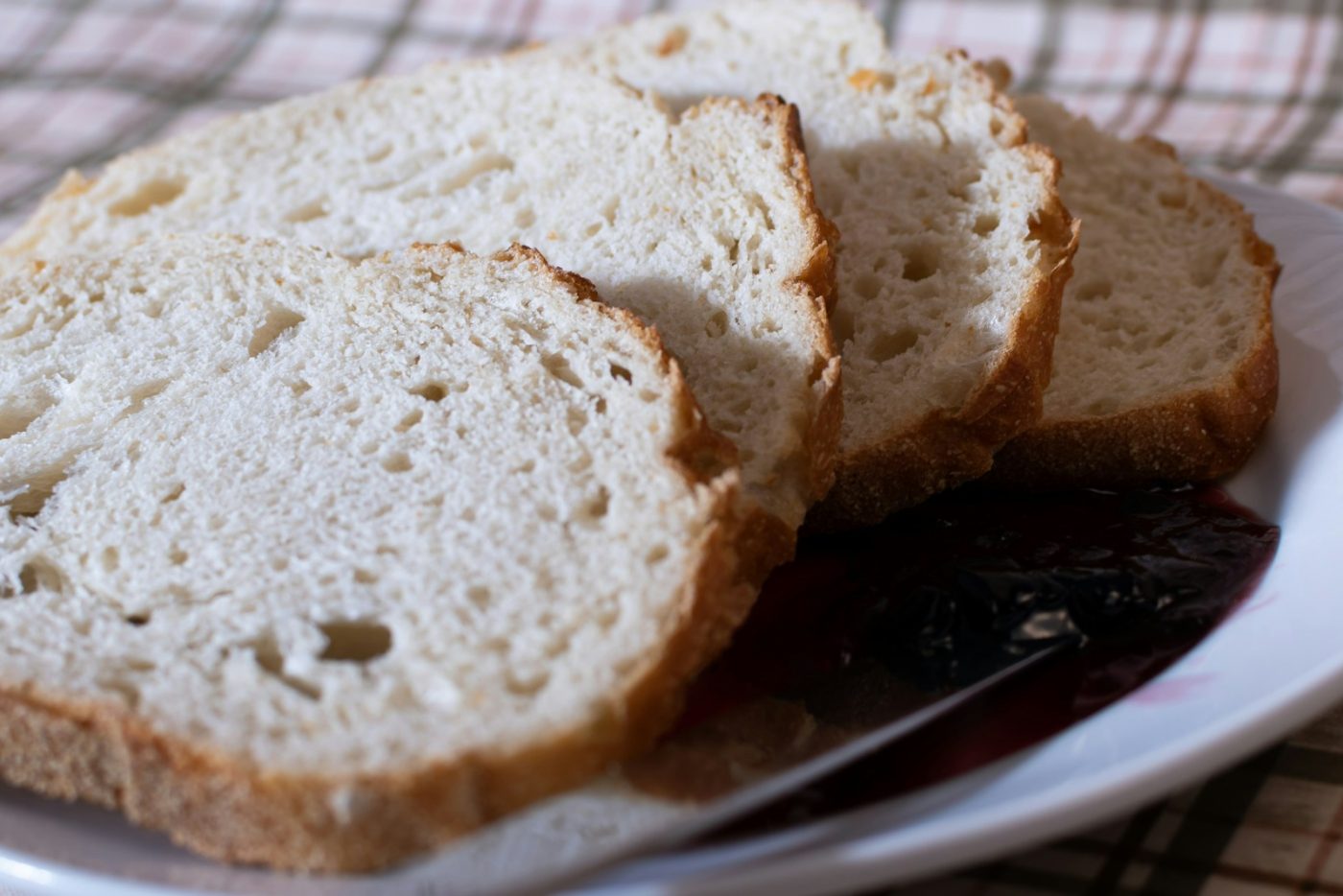
A common starting point is one slice of 30-50 g; check how it fits your meal plan, then adjust with your doctor or dietitian. A single slice of gluten-free sandwich bread often weighs more than its wheat counterpart because the crumb is denser, so weighing it once on a kitchen scale is more accurate than counting slices.
Pair that slice with protein, fat and vegetables to slow digestion: eggs, cheese, hummus, tuna, olive oil or avocado all work. Fill half the plate with non-starchy vegetables and keep the bread to one quarter of the plate. If you use two slices for a sandwich, count the whole sandwich as the bread portion of that meal and skip a roll on the side.
- Weigh one slice once, then use that number for the rest of the loaf.
- Choose thinner slices when you want two pieces for a sandwich.
- Add at least 15-20 g of protein to the meal alongside the bread.
- Keep sweet spreads and jam small, since they add sugar without protein or fat.
- Check your glucose as your doctor advises after trying a new bread.
Is homemade gluten-free bread a better choice?

Homemade gluten-free bread gives you control over the flours, and that is what matters for blood sugar. Most store loaves lean on refined starches like rice flour, tapioca starch and potato starch. When you bake at home, you can replace a good part of those with almond flour, chickpea flour or whole grains such as buckwheat and certified gluten-free oats, all of which usually affect glucose more gently.
A simple starting ratio is 50% whole-grain or nut flour, 30% refined starch for structure, and 20% tapioca or another binding starch. So for a two-loaf batch with 3 cups (about 420 g) of flour total, that means roughly 1.5 cups almond or chickpea flour, 1 cup brown rice flour and 0.6 cup tapioca starch. Adjust from there based on how the crumb turns out and how your glucose readings respond.
- Start by swapping one quarter of the refined starch for almond or chickpea flour.
- Add whole grains like buckwheat or certified gluten-free oats for texture.
- Use eggs or psyllium husk, about 1 tbsp per loaf, to hold a denser crumb together.
- Weigh your flours rather than scooping, so each batch behaves the same way.
- Note the blend you used so you can repeat the loaves that suit you.
What should I check before buying a loaf?
Start with the certification mark, not the words on the front of the pack. A label that says "gluten-free" meets the FDA standard of less than 20 ppm, but a third-party seal from a group such as the Gluten Intolerance Group or NSF adds an independent audit of the facility. For anyone with celiac disease, that seal is the detail to look for.
Cross-contamination usually happens in shared mills and bakeries, not in the recipe. Look for a "made in a dedicated gluten-free facility" statement or a "may contain wheat" warning, and if neither is there, ask before you buy. Call the manufacturer if the packaging is unclear.
- Check the certification seal and the facility statement on every loaf.
- Re-read the ingredient list each time, because brands reformulate without notice.
- Compare total and added sugars per slice, plus fiber in grams.
- Note the serving size, since one slice is often smaller than it looks.
- Confirm the best-by date and store the loaf as the pack directs.
If you have celiac disease or take medication for diabetes, check your choices with your doctor or a registered dietitian before you change your routine.
FAQ
Is gluten-free bread better for diabetes than regular bread?
Not automatically. Many gluten-free loaves use refined rice and tapioca flour, which can digest as quickly as white wheat bread. Compare total carbohydrate and fiber per slice on the label, and ask your doctor or dietitian which option fits your plan.
Can I eat gluten-free bread every day?
Many people with diabetes can include bread daily if the portion and the rest of the meal are balanced. Keep the slice size consistent, pair it with protein and vegetables, and check your blood sugar response as your care team advises.
Which gluten-free flour has the least effect on blood sugar?
Flours with more fiber or protein, such as almond, chickpea or buckwheat, tend to digest more slowly than refined white rice or tapioca starch. No flour is carb-free, so portion still counts.
Do I need certified gluten-free bread if I have celiac disease?
Yes. Look for a certified gluten-free mark and check the label for shared-facility warnings. People with celiac disease should confirm product choices with their doctor or dietitian.