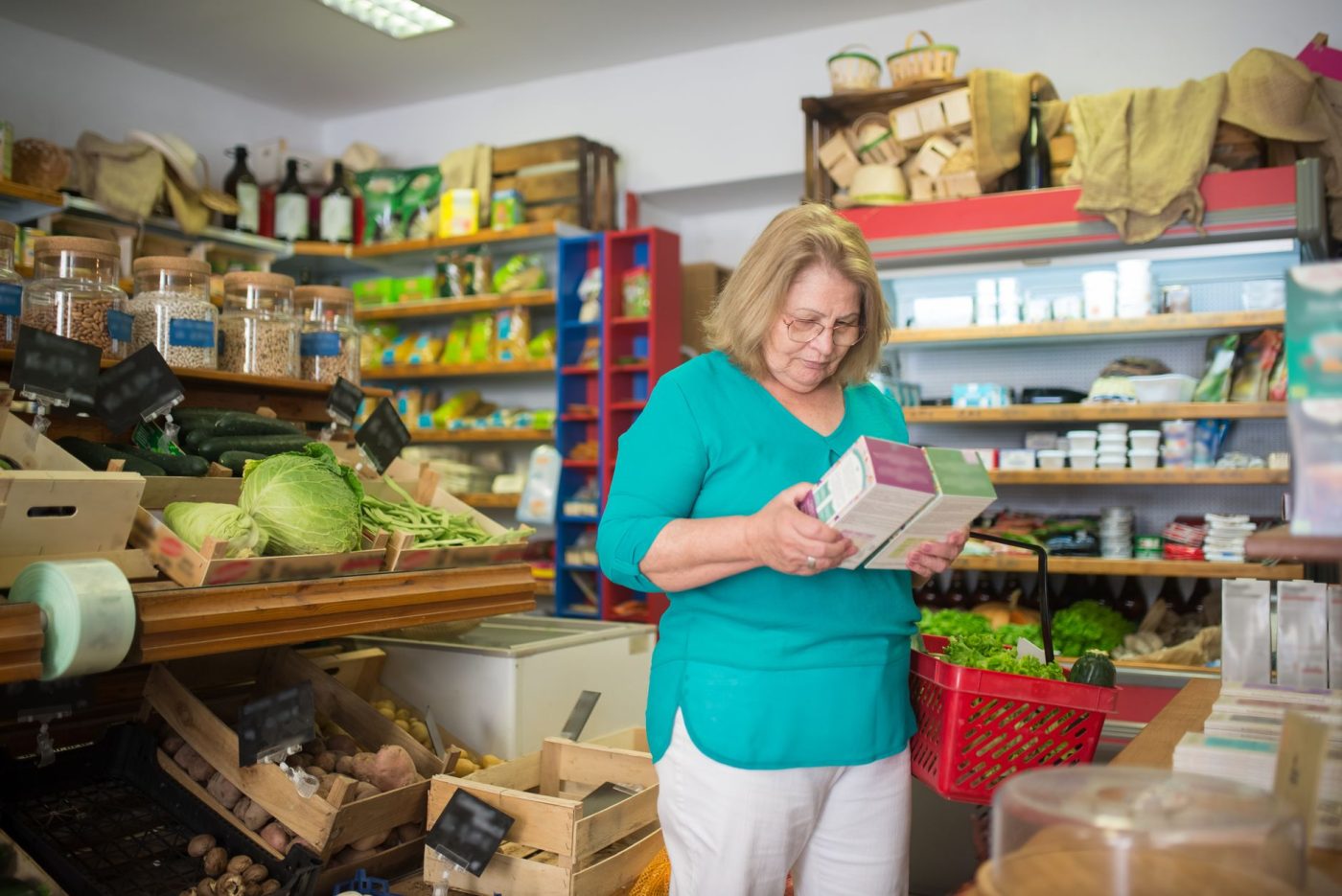
Is Quinoa Gluten Free? What You Need to Know Before You Buy It
Quinoa is gluten free. It’s a seed, not a cereal grain, so gluten was never part of its makeup to begin with. Despite that, celiac disease organizations still list quinoa as a high-risk food, and the reason has nothing to do with the seed itself.
Is All Quinoa Gluten Free?
Every variety of quinoa is naturally gluten free, no matter the color. What causes trouble is the supply chain. Quinoa is often grown in rotation with wheat, barley, or rye, and it can pass through the same harvesting equipment, storage bins, or milling machinery as those grains. A batch that started out perfectly clean can end up with trace gluten by the time it reaches a shelf.
So the “high-risk” label isn’t about quinoa as a plant. It’s about how easily gluten can hitch a ride on it before it’s packaged.
Why Quinoa Is Still a Risk for Celiac Disease
Gluten-Free Watchdog, an independent testing group, has tested naturally gluten-free grains and seeds like quinoa multiple times and found real variation between brands. Some came back well within safe limits. Others didn’t.
That variation matters more than it might seem. For someone with celiac disease, even a small amount of gluten can set off an immune reaction that damages the small intestine. Buying quinoa labeled or certified gluten free is the most reliable way to avoid that — it means the product has been tested to stay under 20 parts per million of gluten, the threshold set by U.S. labeling law. Bulk bins are riskier than packaged quinoa, mainly because shoppers tend to reuse the same scoop across different bins.
Quinoa isn’t the only naturally gluten-free food that still needs a label check. Philadelphia cream cheese, for example, is gluten free by ingredient in most of its flavors, but that doesn’t mean every dairy product on the shelf next to it is. Packaged snacks work the same way: Doritos are a good example of a product where the answer depends on the flavor and the production line, not just the corn on the ingredient list.
Is Quinoa Flour Gluten Free?
Quinoa flour is gluten free too, provided it’s milled from quinoa alone in a facility that keeps it away from wheat, barley, or rye. Grinding a seed into flour doesn’t introduce gluten. The same risks that apply to whole quinoa — growing conditions, shared equipment, cross-contact at the mill — apply here as well.
Bakers like quinoa flour partly because it’s higher in protein than most gluten-free alternatives, which gives baked goods more structure. Its flavor leans nutty, sometimes bitter, though toasting the flour first tones that down. Most recipes call for swapping in quinoa flour for about a quarter of the total flour rather than replacing wheat flour outright.
Is White Quinoa Gluten Free? What About Red and Black Quinoa?
White, red, and black quinoa are all gluten free — the color is just pigment in the seed coat and has nothing to do with gluten content. White quinoa is the mildest and most common. Red and black hold their shape better after cooking and carry a slightly earthier flavor, which is why they show up so often in salads.
How to Choose Quinoa That’s Safe for a Gluten-Free Diet
| Form | Naturally gluten free | Main risk factor |
|---|---|---|
| Whole quinoa (white, red, black) | Yes | Cross-contact during growing, harvest, transport |
| Quinoa flour | Yes | Cross-contact at the mill |
| Quinoa flakes | Yes | Same as whole quinoa |
| Quinoa pasta | Depends on other ingredients | Blended flours may include gluten sources |
| Quinoa cooked in broth or at a restaurant | Depends on preparation | Broth or shared cookware may contain gluten |
A few habits cut most of the risk down to almost nothing. Buy quinoa that’s labeled gluten free or carries third-party certification, rather than assuming it’s safe just because quinoa itself is a gluten-free ingredient. Skip the bulk bins, where different grains get scooped with the same tools. Read the ingredient list on quinoa pasta and blends, since manufacturers sometimes mix in other flours. And when ordering quinoa at a restaurant, ask how it’s cooked — shared pans and chicken broth are two of the most common hidden sources of gluten.
Once the quinoa itself is sorted, the easiest next step is finding recipes that already work around the rest of the kitchen’s usual gluten sources. Browsing gluten free recipes built around ingredients like quinoa is a faster way to get dinner on the table than adapting a wheat-based recipe from scratch.
FAQ
Does quinoa naturally contain gluten?
No. Quinoa comes from the amaranth family, not a cereal grain, so gluten was never part of its structure.
Can people with celiac disease eat quinoa?
Most can, as long as the quinoa is labeled or certified gluten free. Unlabeled quinoa carries a higher chance of cross-contact.
Is quinoa pasta gluten free?
Not automatically. Quinoa pasta is frequently blended with other flours, so the ingredient list needs a direct check rather than an assumption based on the word “quinoa” on the front. Making homemade gluten free pasta from scratch sidesteps the guesswork entirely, since the ingredients are fully in your control.
Is organic quinoa safer for a gluten-free diet?
No. Organic certification says nothing about gluten. A product can be organic and still carry cross-contact risk if it wasn’t processed in a dedicated gluten-free facility.
Why does quinoa need gluten-free certification if it’s naturally gluten free?
Because certification is the only proof that testing actually happened. Without it, there’s no way to know whether contact with gluten occurred somewhere between the field and the package.
The seed has never been the issue — quinoa is gluten free by nature, in every color and form it comes in. What decides whether a particular bag is actually safe is everything that happens to it after harvest. Checking for a gluten-free label, skipping bulk bins, and reading the fine print on pasta and blends handles nearly all of the real risk.