Gluten-Free Sides That Pair Well with Meat
Which grains are naturally gluten-free and filling enough for a meat dinner?
Several whole grains and seeds are naturally gluten-free and sturdy enough to stand up to roasted meats, braises and grilled cuts. Quinoa works well with lean proteins like chicken breast or pork tenderloin because its light, fluffy texture and slight nuttiness do not compete with milder flavours. White or brown rice is the most neutral choice and pairs with everything from beef stew to pan-seared fish.
Millet has a creamy, polenta-like consistency when cooked with extra liquid and suits slow-cooked lamb or pork shoulder. Buckwheat, despite its name, contains no wheat and brings an earthy, toasted note that complements duck, venison or dark-meat poultry. Amaranth cooks into a sticky, porridge-like grain that works as a warm base under sliced flank steak or a hearty mushroom ragout. Certified gluten-free oats make a savoury pilaf that holds up next to sausages or roast chicken thighs.
- Quinoa cooks in about 15 minutes and suits chicken, turkey and pork.
- Brown rice takes 40-45 minutes and matches beef, fish or roasted vegetables.
- Millet simmers for 20-25 minutes and pairs with lamb, pork shoulder or braised dishes.
- Buckwheat groats need 10-12 minutes and work with duck, venison and dark-meat poultry.
- Amaranth cooks for 20-25 minutes and holds its own under sliced steak or mushrooms.
- Certified gluten-free oats take 10-15 minutes for a savoury pilaf beside sausages or roast chicken.
What roasted vegetables hold up next to a steak or roast?
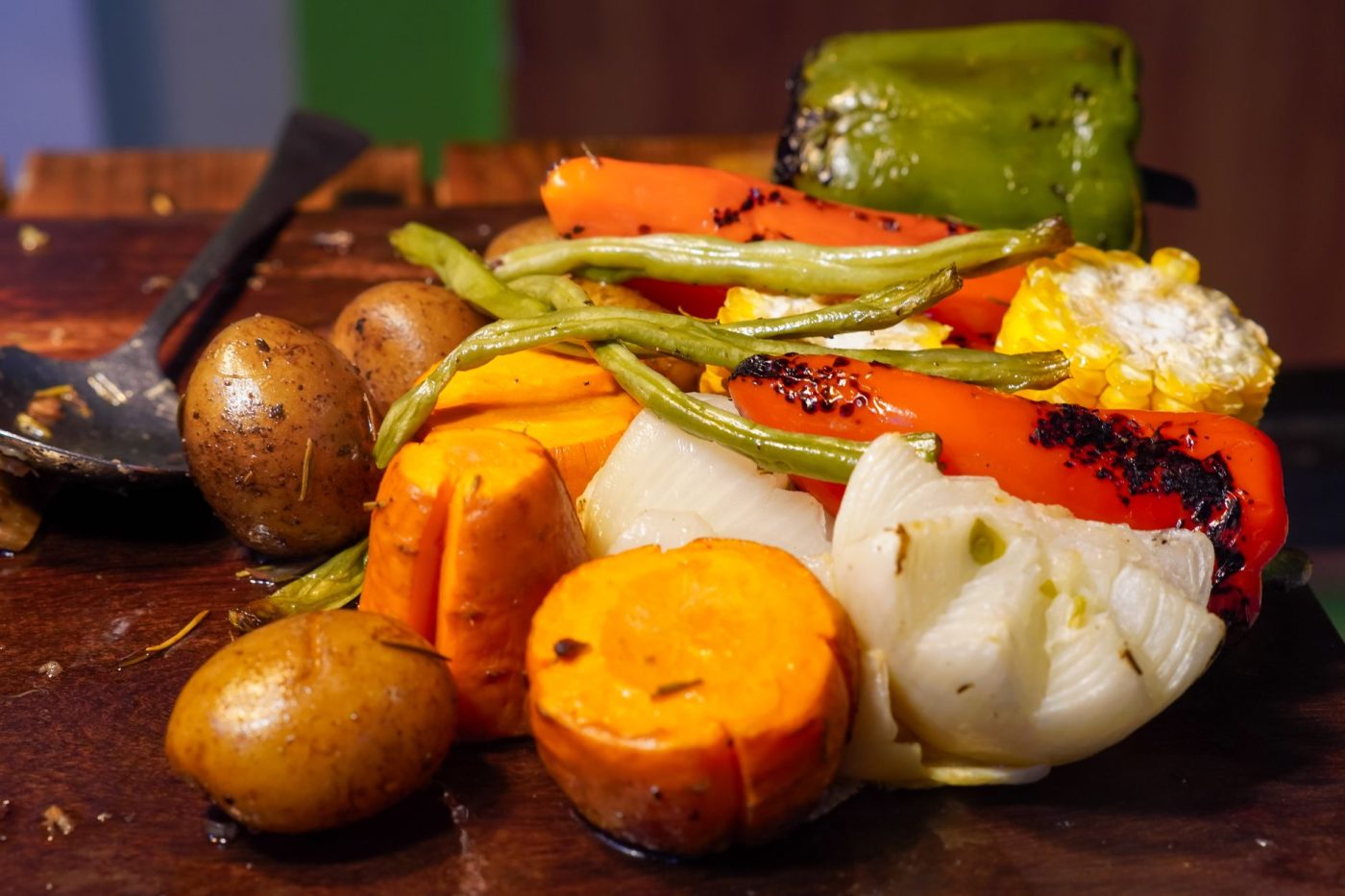
Root vegetables and dense brassicas keep their structure in a hot oven and develop deep, caramelized edges that stand up to rich meat. Carrots, parsnips, Brussels sprouts, cauliflower, and quartered red onions all roast into something substantial rather than soft. As moisture evaporates, the natural sugars in these vegetables concentrate and create a savory crust that complements the char on a grilled steak or the browned surface of a roast.
One roasting method works for all of them. Heat the oven to 425°F (220°C). Cut vegetables into uniform pieces, about 1 to 1½ inches thick, so they finish at the same time. Toss with enough olive oil to coat lightly, season with salt and black pepper, and spread in a single layer on a sheet pan without crowding. Roast for 25 to 35 minutes, turning once halfway through, until the edges are browned and a fork slides in with slight resistance.
Pairing choices depend on the meat. Carrots and parsnips bring a gentle sweetness that balances the richness of lamb. Brussels sprouts with their slight bitterness cut through the fat of a well-marbled ribeye. Cauliflower roasted until deeply golden works next to pork tenderloin or chops, especially with a squeeze of lemon added after roasting. Quartered red onions soften and mellow in the heat, adding a jammy note that suits roast beef or a thick-cut pork roast.
Are potatoes always safe, and what are the best gluten-free ways to prepare them?
Plain potatoes are naturally gluten-free. The risk comes from how they are cooked and what gets added to them. A baked potato or boiled spuds at home are safe, but restaurant fries often share a fryer with breaded items, which introduces gluten. Seasoning blends and gravy mixes can also hide wheat flour, so check every label.
For a reliable weeknight side, roasted potatoes need only a hot oven, a sturdy baking sheet, and fat that can take the heat. Cut Yukon Golds or red potatoes into even chunks, toss them with olive oil and salt, and roast at 425°F (220°C) until the edges crisp and the centers turn creamy. A sprig of rosemary or a few whole garlic cloves tossed in with the potatoes adds depth without extra work.
Mashed potatoes stay gluten-free when you use butter, whole milk, or a splash of the cooking water instead of a packaged gravy. Smashed potatoes give you a crisp-skinned option with less fuss than roasting. Boil small potatoes until tender, press each one flat on an oiled sheet pan with the bottom of a glass, and roast at 450°F (230°C) until the skins blister and brown. A final sprinkle of flaky salt right when they come out of the oven makes them a worthy partner to a steak or a roast.
Which bean and lentil sides add enough protein for a lighter meat main?
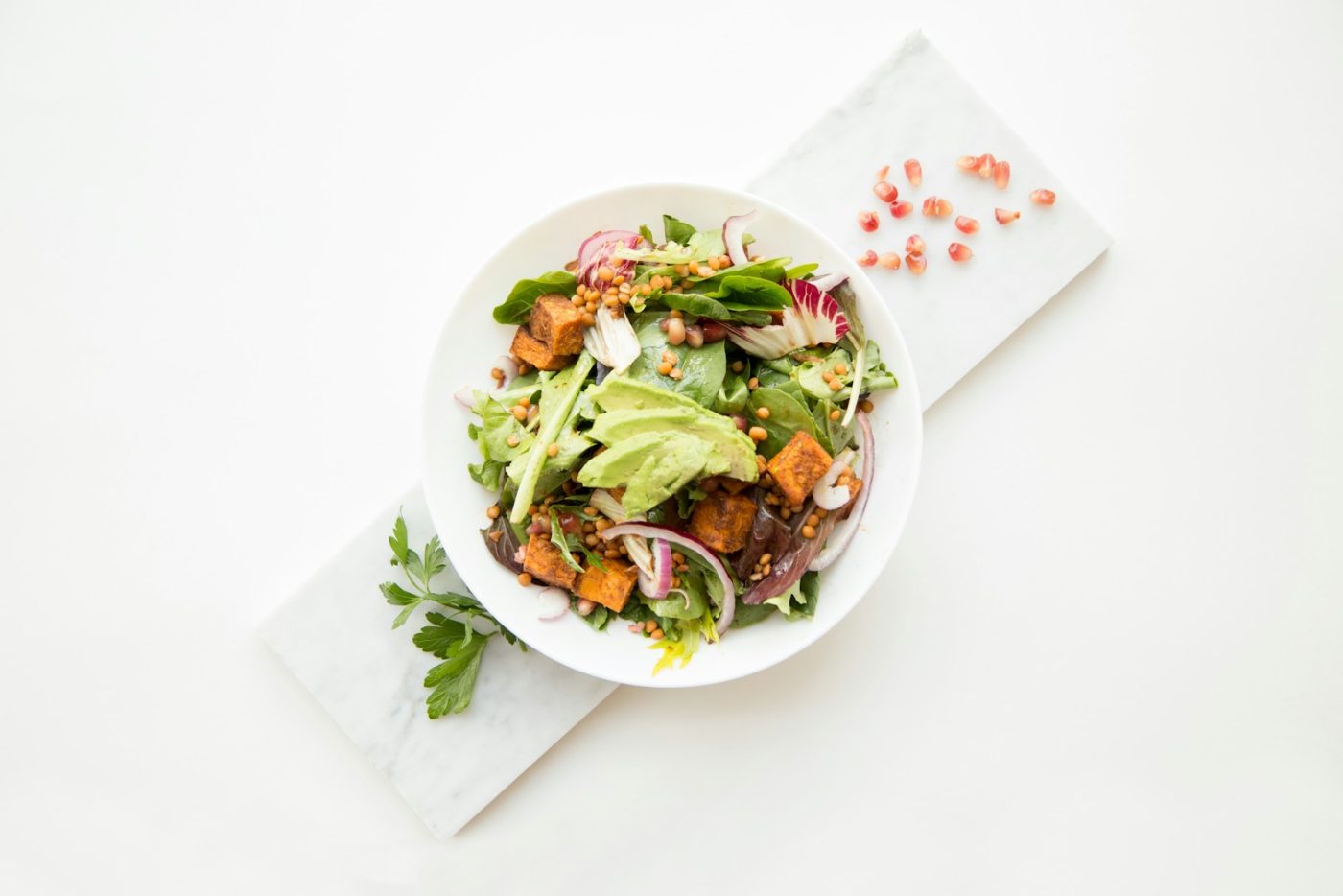
Beans and lentils bring heft to the plate when the meat portion is modest, like a grilled chicken thigh or a fillet of white fish. They are naturally gluten-free, but cross-contamination can happen during processing. Dried lentils and split peas rarely share equipment with wheat, so I rinse them in a sieve and pick out any odd grains. Canned beans are quicker for a weeknight, and several brands label clearly; I look for a gluten-free statement on the label because some pack in broth or seasonings that are not safe.
Lentil salads work well with warm or cold chicken. I toss cooked French green lentils with olive oil, lemon juice, and chopped parsley while they are still warm, then let them cool so the dressing soaks in. A chickpea and cucumber side with yogurt and dill is light enough for baked fish, and the chickpeas add a creamy bite. Stewed white beans with garlic, rosemary, and a splash of stock make a soft, savory base for sliced pork loin or sausages.
- Warm French lentil salad with shallot vinaigrette, paired with roasted chicken thighs.
- Stewed cannellini beans with garlic and rosemary, served under sliced pork loin.
- Chickpea and cucumber salad with yogurt and fresh dill, alongside baked cod or haddock.
- Black beans simmered with cumin and a little tomato, spooned next to grilled flank steak.
- Red lentil dal with turmeric and ginger, paired with pan-seared chicken breast.
- Butter bean mash with olive oil and lemon zest, served with grilled fish fillets.
What quick vegetable sides come together in under 20 minutes?
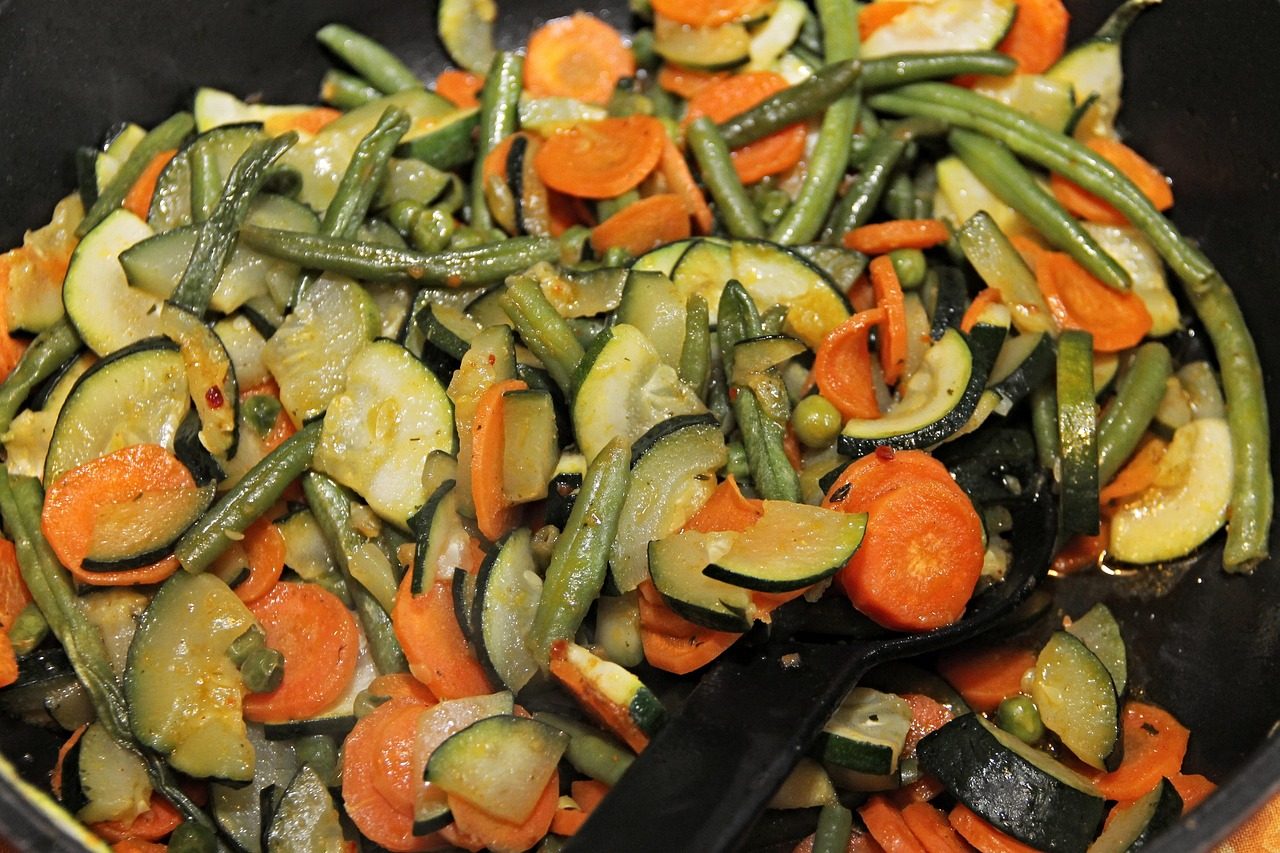
Several vegetable sides need nothing more than a hot pan, a little oil and a pinch of salt, and they are on the table in under 20 minutes. Sautéed spinach with garlic wilts in about 3 minutes. Quick slaws made from shredded cabbage or carrot tossed with a simple vinaigrette take only as long as chopping. Steamed green beans with a squeeze of lemon are ready in 6-8 minutes. Pan-charred frozen corn, cooked in a dry skillet until it blisters, brings a smoky sweetness to pork chops or chicken thighs.
Watch the condiment or sauce you finish with. Bottled dressings, soy sauce and seasoning blends often hide wheat starch or barley malt. Check every label, even on products you have bought before. A safe shortcut is to dress vegetables with olive oil, a splash of cider vinegar, salt and black pepper. For an Asian-style finish, use a wheat-free tamari instead of regular soy sauce.
These sides work with most meats and do not demand special shopping trips:
- Sautéed spinach with garlic and a drizzle of olive oil
- Quick cabbage slaw with lemon juice and salt
- Steamed green beans finished with butter and cracked pepper
- Pan-charred corn kernels with smoked paprika
- Blistered cherry tomatoes with fresh basil
- Sautéed zucchini rounds with garlic and parsley
How do I keep a gluten-free side dish safe when cooking for someone with celiac disease?
A safe side dish starts with a clean kitchen and reading every label carefully. Even a tiny amount of wheat flour or a splash of regular soy sauce can trigger a reaction in someone with celiac disease. Remove cross-contact risks without making the cooking stressful for you or awkward for your guest.
Assign one cutting board and one colander just for gluten-free prep, and wash all utensils, pans and work surfaces with hot soapy water before you begin. Avoid wooden boards and spoons if they have been used for wheat-based foods, because gluten can hide in scratches. Skip the shared toaster and do not drain gluten-free pasta or vegetables in a colander that has held regular noodles.
Check every packaged ingredient, not just the obvious ones. A bag of frozen vegetables with a sauce packet, a jar of broth, a seasoning blend and a bottle of vinegar can all contain hidden wheat or barley malt. Look for a certified gluten-free label or read the full ingredient list. When in doubt, choose a plain alternative you can season yourself with salt, pepper and fresh herbs.
A short conversation with your guest removes the guesswork. Ask which brands and products they trust and whether they prefer you to open new packages of butter or condiments to avoid crumbs from a shared tub. Serve the gluten-free side in its own dish with a dedicated spoon so everyone at the table can see what is safe.
FAQ
Is couscous gluten-free?
No. Regular couscous is made from semolina wheat and contains gluten. Look for certified gluten-free couscous made from corn or a blend of corn and rice flour if you want a similar texture.
Can I use soy sauce in a gluten-free marinade for the vegetables?
Regular soy sauce contains wheat. Use tamari labeled gluten-free or coconut aminos instead. Always check the label, because some tamari styles still include traces of wheat.
Are frozen vegetable mixes with sauce safe?
Some are, but many use wheat flour as a thickener in the sauce packet. Read the ingredient list every time. Plain frozen vegetables without sauce are the safest shortcut.
What should I ask a guest with celiac disease before I cook?
Ask which brands they trust, whether they are comfortable with shared kitchen tools, and if they want to review labels together. Every person manages their condition differently, so a short conversation prevents mistakes.