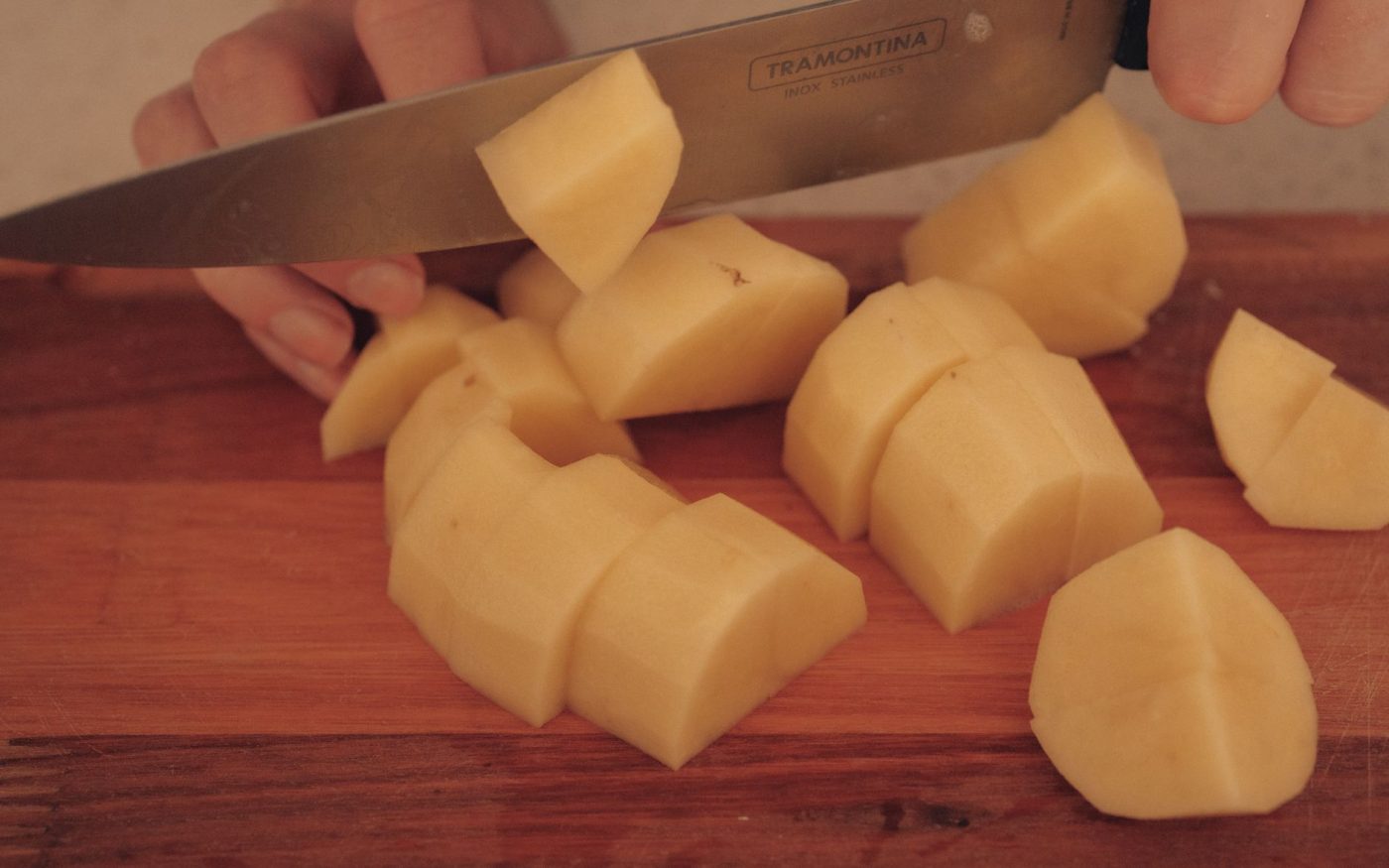
Are Potatoes Gluten Free? A Practical Guide
Are potatoes gluten free?
Yes. Plain potatoes are naturally gluten free, and they stay gluten free through boiling, baking, roasting and frying in clean oil. Gluten is a protein found in wheat, barley and rye, and potatoes are not related to any of those grains. A potato is a tuber, not a grain, so it never contains gluten on its own.
People on a gluten free diet often avoid potatoes out of caution, but the risk comes from the products around the potato, not the potato itself. A baked potato is safe. A potato that shared a fryer with battered fish is not. The ingredient matters, and so does everything it touches.
- Fresh potatoes, washed and cooked at home, contain no gluten.
- Frozen plain chips and hash browns are usually gluten free, but check the coating.
- Instant mashed potato mixes often add wheat starch or flavourings.
- Potato flour and potato starch are gluten free, unlike wheat flour.
Which potato products contain gluten?
Fresh potatoes are gluten free in their natural state, but manufactured potato foods often include wheat flour or barley derivatives for texture and flavouring. Food processing plants often handle wheat on the same machinery, add gluten-containing coatings to keep ingredients crisp, or use wheat starch as a thickener.
- Frozen chips often feature a wheat flour batter to create a crunchy outer coating after baking.
- Flavoured potato crisps frequently use barley malt extract or wheat-based powder to bind seasonings to the crisps.
- Instant mashed potato flakes may contain wheat starch or emulsifiers derived from grains to improve shelf stability.
- Pre-cooked potato croquettes and potato wedges usually rely on traditional breadcrumbs or flour coatings for structural support.
- Canned potato soups and prepared potato salads generally rely on wheat flour as a primary thickening agent in sauces.
Check ingredient labels, because manufacturers regularly update recipes for processed potato foods. Products certified by food safety authorities meet strict safety standards.
How can you tell if a potato product is gluten free?
Start with the ingredients list, not the front of the pack. Plain potatoes, sweet potatoes and other starchy vegetables are naturally gluten free, so a bag of raw potatoes needs no label reading at all. The problems appear in processed products, where wheat flour, wheat starch, malt vinegar, soy sauce or modified wheat starch can be added.
Check for a certified gluten free mark, such as the crossed grain symbol. In the EU and the UK, a product labelled gluten free must contain no more than 20 mg of gluten per kilogram, and a very low gluten claim allows up to 100 mg per kilogram. A mark from a certification body means the manufacturer tests batches, not just the recipe.
- Read the full ingredients list, including the "may contain" line.
- Look for a certified gluten free symbol on the front of the pack.
- Watch for wheat starch, malt vinegar, soy sauce and wheat-based thickeners.
- Check flavoured or seasoned potato products, which often carry added coatings.
- Compare plain frozen chips with seasoned or battered versions before you buy.
What about cross contamination when cooking potatoes?
Fresh potatoes are gluten free, but they can easily pick up gluten during preparation and cooking. In home kitchens and restaurant line setups, shared utensils and cooking oil are the most common sources of gluten exposure.
Follow a few simple kitchen precautions to prevent cross contamination:
- Cook potatoes in fresh water rather than water previously used for pasta.
- Use a dedicated deep fryer or pan that is not used for breaded items.
- Clean cutting boards, knives, and potato mashers thoroughly before use.
- Avoid placing baked potatoes directly onto oven racks where flour or breadcrumbs might linger.
These steps keep your potato dishes safe for anyone managing celiac disease or gluten sensitivity.
Are sweet potatoes and other starchy vegetables gluten free?
Yes. Sweet potatoes, yams, and most starchy vegetables contain no gluten at all. Gluten is a protein found in wheat, barley and rye, so a vegetable cannot contain it unless something is added during cooking or processing.
Cassava, taro, plantain, and Jerusalem artichokes are also naturally gluten free. The exceptions come from what is done to them, not from the vegetables themselves. Battered sweet potato fries, seasoned yam cubes, and frozen mixes with a sauce sachet are the usual culprits, since wheat flour or soy sauce often appears in the coating or seasoning.
- Plain sweet potatoes, yams, and cassava are gluten free as they come.
- Battered or breaded fries usually contain wheat flour.
- Seasoning blends and sauce sachets can hide wheat starch or soy sauce.
- Frozen mixes may add a flour dusting to stop the pieces sticking.
Can you eat potatoes at restaurants on a gluten free diet?
You can enjoy potatoes at restaurants, but eating out requires extra care to avoid accidental gluten. While plain raw potatoes are naturally gluten free, commercial kitchens often introduce gluten through shared fryers, flour coatings, or pre-packaged seasonings.
When ordering potato dishes, always inform your server about your dietary needs and ask how the kitchen prepares their food. You should ask these specific questions before placing your order:
- Do you cook french fries in a dedicated fryer that is free from wheat products?
- Are the baked potatoes wrapped in foil or prepared on a clean surface?
- Does the kitchen add flour or roux to thicken the mashed potatoes?
- Do the seasonings or spice rubs contain wheat starch or gluten additives?
Steer clear of loaded potato skins, potato pancakes, and battered fries unless the venue confirms a strict gluten free protocol. Simple options like plain baked potatoes or boiled young potatoes are the safest choice when dining out.
FAQ
Are potatoes gluten free?
Yes. Plain potatoes in their natural form are gluten free. Gluten is a protein found in wheat, barley, and rye, so it is not present in potatoes unless it is added during processing or cooking.
Are French fries gluten free?
Sometimes. Freshly cut fries cooked in dedicated oil are usually gluten free, but many frozen or restaurant fries are coated with flour or cooked in shared fryers. Always check the ingredients and ask about preparation.
Is potato starch gluten free?
Yes. Potato starch is a gluten free ingredient extracted from potatoes. It is often used in gluten free baking and as a thickener. However, cross contamination can occur if it is processed in a facility that also handles wheat.
Can I eat potatoes if I have celiac disease?
Yes, potatoes are safe for a gluten free diet, including for people with celiac disease. Just make sure they are not processed with gluten-containing ingredients and are not cross-contaminated during cooking or serving.