Is Gluten-Free Bread Good for Weight Loss?
Does gluten-free bread have fewer calories than regular bread?
Gluten-free bread does not automatically have fewer calories than wheat bread. A typical slice of gluten-free sandwich bread has 90 to 120 calories, while a slice of standard wheat bread has 70 to 110. Many store-bought gluten-free loaves are at the higher end because manufacturers add more fat and sugar to mimic the texture that gluten normally provides.
The calorie difference is in the flour blend, not the absence of gluten. Rice flour, tapioca starch, and potato starch are the base of most gluten-free breads, and they are refined carbohydrates with a calorie density close to white wheat flour. When a recipe swaps whole-wheat flour for a mix of starches and a neutral oil, the slice is often smaller but more energy-dense. You might eat two slices of a light wheat bread for 160 calories and get the same calorie load from one and a half slices of a denser gluten-free loaf.
Compare slices by weight. Gluten-free bread slices tend to be smaller and thinner, sometimes 25 to 35 grams per slice, while wheat bread slices often weigh 35 to 45 grams. If the calories per 100 grams are higher in the gluten-free option and the slice is only slightly smaller, the per-slice number climbs past the wheat equivalent. The label tells the full story. Assuming a gluten-free claim means a lighter product is the first mistake.
Why do some gluten-free breads have more sugar and fat?
Gluten is the protein that gives wheat bread its stretch and chew. When manufacturers remove wheat flour, they lose that built-in structure. To get a soft crumb and a crust that does not crumble when sliced, many recipes add extra fat, often oil or butter, and sugar or syrups. These ingredients coat the starch granules, slow down moisture loss and create a tender mouthfeel that rice flour alone cannot deliver.
The trade-off appears on the nutrition panel. A slice of standard whole-wheat bread might have 1-2 grams of fat and 1-2 grams of sugar. A gluten-free sandwich loaf can have 3-5 grams of fat and 3-6 grams of sugar in the same slice, pushing the total calories from about 70 up to 110 or more. The extra sugar also speeds up browning during baking, which helps the loaf look like the wheat bread shoppers are used to.
For someone counting calories, the difference matters. Two slices of a higher-fat, higher-sugar gluten-free bread can add an extra 80-100 calories to a sandwich, before you even consider the filling. Check the ingredient list. If oil or cane sugar appears in the first four positions, the loaf was likely made for texture first and calorie restraint second.
What ingredients make a gluten-free bread more filling?
Bread that keeps you full longer relies on two things: fiber and protein. Many standard gluten-free loaves are made mostly from refined starches, which digest quickly and leave you hungry soon after eating. Choosing a bread made with whole-food ingredients changes that pattern.
Look for these ingredients on the label. They slow digestion and help you feel satisfied with a smaller portion.
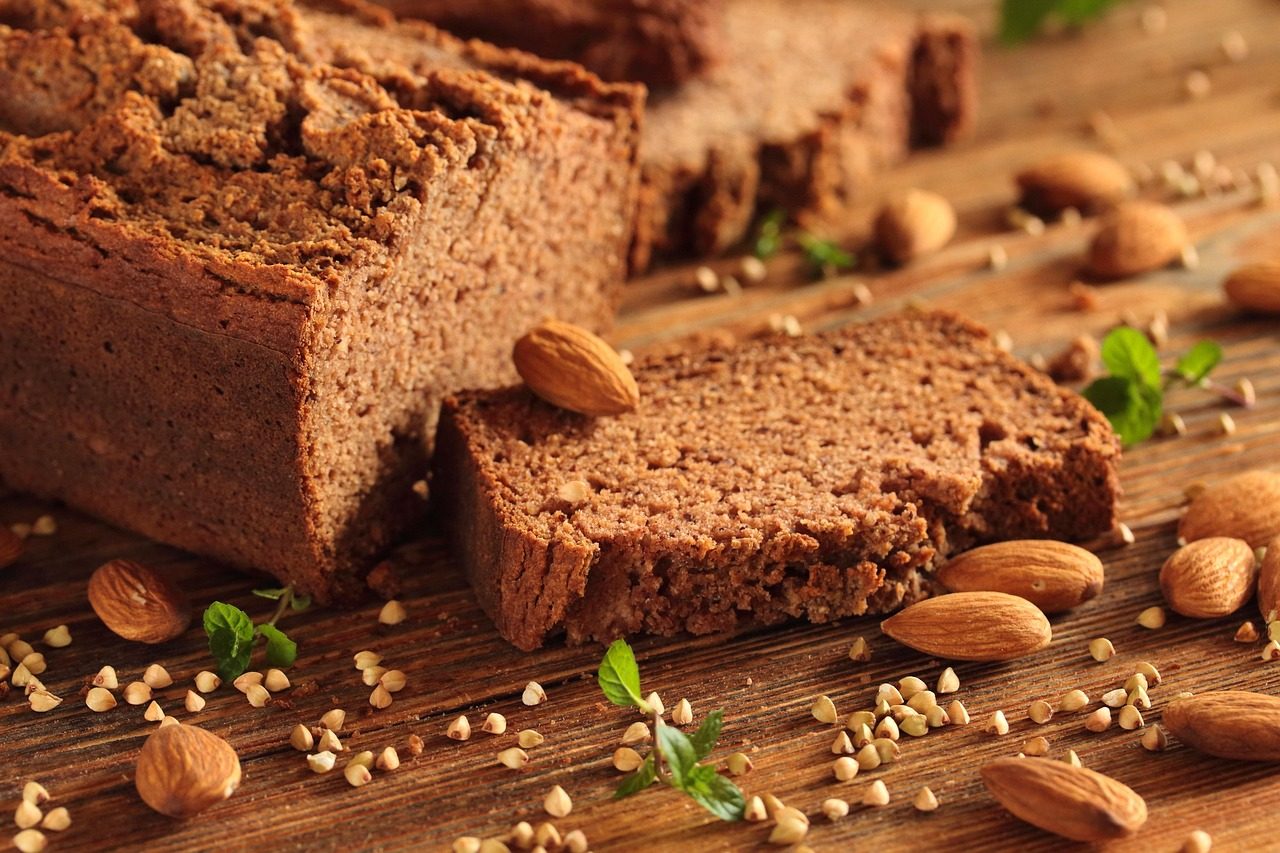
- Almond flour and other nut flours. Nut flours supply protein and healthy fats, both of which take longer to break down than tapioca or rice starch. A slice with almond flour as the first ingredient typically keeps you full longer than one based on white rice flour.
- Whole sorghum and teff. These are true whole grains with the bran and germ intact. They contribute fiber that refined flours lack. Teff is particularly high in resistant starch, which feeds gut bacteria and supports steady energy.
- Psyllium husk. This soluble fiber absorbs water and forms a gel, which gives the bread structure and adds bulk without extra calories. It slows the movement of food through your digestive tract, extending fullness.
- Ground flaxseed or chia seeds. Both are rich in soluble fiber and a small amount of protein. They bind moisture in the dough and create a denser, more satisfying crumb.
- Buckwheat flour. Despite the name, buckwheat is gluten-free and unrelated to wheat. Its protein quality is higher than many grains, and the groats retain their fiber when milled into dark flour.
- Eggs or egg whites. A higher egg content increases the protein per slice. Breads that rely on eggs for rise and structure tend to be more satiating than those leavened only with baking powder and starch.
A bread that combines two or three of these ingredients, such as almond flour with psyllium and flaxseed, will usually keep you fuller than one made with cornstarch and potato starch. The first few ingredients on the label tell you most of what you need to know.
How do I read a gluten-free bread label for weight loss?
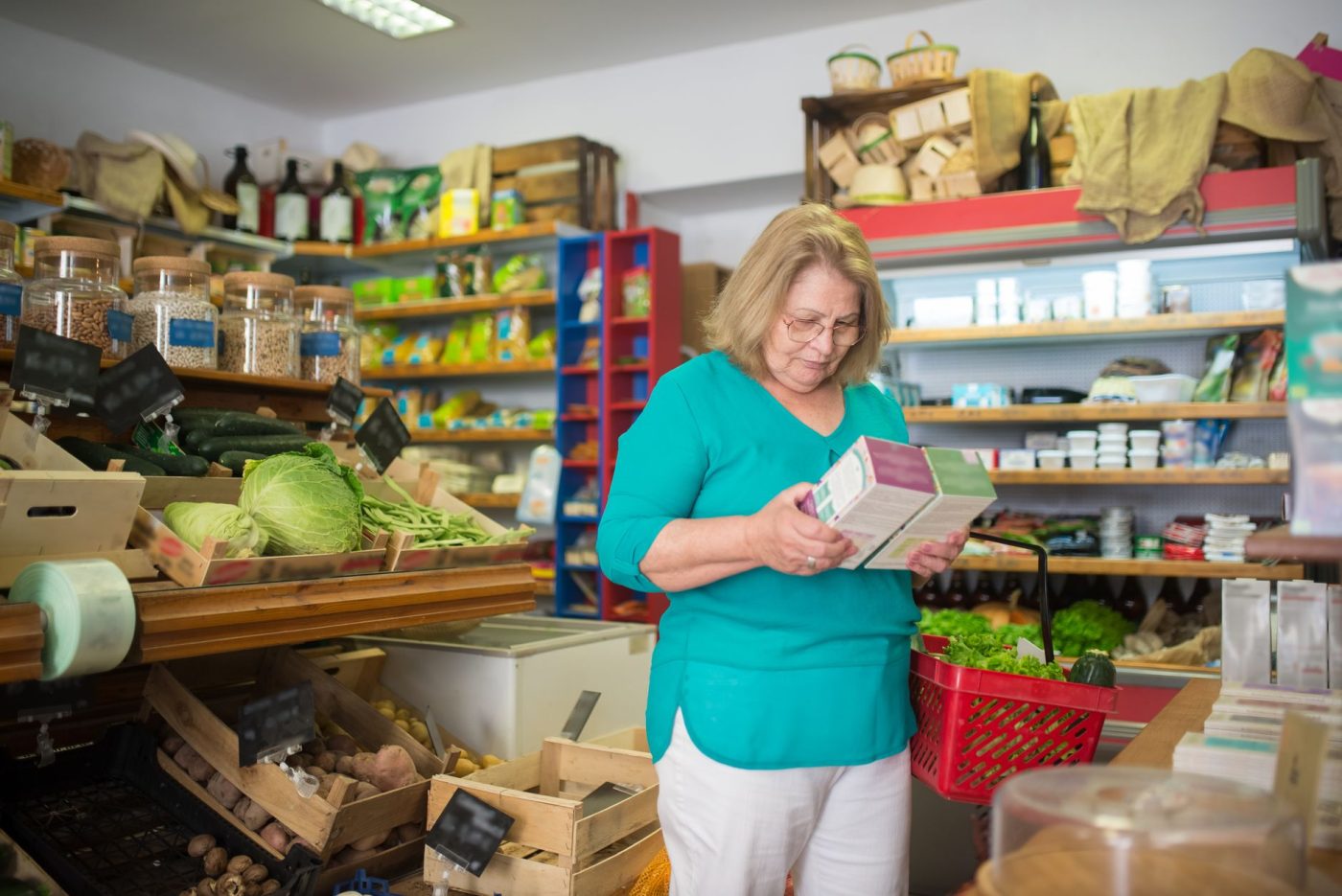
Start with the serving size printed at the top of the nutrition panel. All the numbers below it apply to that one serving, which is often a single slice. Some brands list a smaller serving, such as half a slice, to make the calorie count look lower. Check the weight in grams next to the serving size and compare it to what you actually eat.
For calories, a slice of gluten-free bread that supports weight management typically falls between 70 and 90 calories. Next, look at fiber. Two grams or more per slice helps you feel full longer and slows digestion. Added sugar should stay at 2 grams or less per slice. Anything higher turns your toast into a treat rather than a staple. Protein matters too: aim for at least 3 grams per slice to balance the carbohydrates and keep your energy steady.
A short ingredient list with whole-food names like almond flour, eggs, flaxseed, or psyllium husk signals a more filling loaf. If the first three ingredients include tapioca starch, cornstarch, and rice flour, the bread will digest quickly and leave you hungry sooner. Ignore front-of-package claims like "made with ancient grains" or "all-natural" and use the numbers on the back to guide your choice.
Are grain-free breads a better choice for losing weight?
Grain-free breads made with almond flour or coconut flour often have fewer total carbohydrates than grain-based gluten-free breads, which can help you stay within a lower-carb eating pattern. A slice of almond-flour bread may contain 5-8 grams of net carbs, while a rice- or tapioca-based gluten-free slice commonly runs 15-20 grams. The tradeoff is that nut-flour breads are typically higher in calories and fat, so the portion still matters.
Coconut-flour breads tend to be very high in fiber, sometimes 5-6 grams per slice, which slows digestion and helps you feel full longer. The fiber content also keeps the net carb count low even when the total carbohydrate number on the label looks high. Almond-flour breads deliver more protein than most grain-based gluten-free loaves, usually 4-6 grams per slice, and protein is the most satiating macronutrient. A bread that combines protein, fat, and fiber will keep hunger at bay better than one built mostly from refined starches.
Grain-free does not automatically mean weight-loss friendly. Some recipes pack in honey, maple syrup, or a full cup of oil per loaf, pushing the calories per slice above 200. A grain-based gluten-free bread with whole grains like sorghum or buckwheat and at least 3 grams of fiber can be just as filling for fewer calories. The best choice is the one that fits your daily numbers and keeps you satisfied so you are not reaching for a snack an hour later.
What are the most common mistakes when choosing gluten-free bread for weight loss?
One of the biggest traps is assuming that a gluten-free label automatically means a bread is lower in calories or better for weight management. Many packaged gluten-free loaves replace wheat flour with a mix of refined starches, such as tapioca starch, cornstarch and white rice flour, which digest quickly and can spike blood sugar. Another frequent misstep is ignoring the serving size. A slice of gluten-free bread is often smaller and thinner than a standard wheat slice, so the calorie count on the panel may look low, but you might easily eat two or three slices to feel satisfied.
Overlooking the fiber content is also common. A bread made mostly from starches with little whole grain or seed flour can leave you hungry again soon after eating. In the same way, shoppers sometimes focus only on calories and miss the added sugars or oils that manufacturers use to improve the taste and texture of gluten-free products. The best approach is to treat gluten-free bread like any other packaged food: flip the package and read the full ingredient list and nutrition panel before you buy.
- Believing every gluten-free bread is a health food without checking the ingredient list.
- Eating two or three slices but counting the calories of only one, because the slices are small.
- Picking a bread with less than 2 grams of fiber per slice and wondering why hunger returns quickly.
- Missing added sugars, honey or syrups that push the carbohydrate load higher than expected.
- Choosing a loaf made mostly of tapioca starch and white rice flour with no whole grains, nuts or seeds.
- Skipping the protein line on the label: a slice with less than 3 grams of protein rarely helps with satiety.
FAQ
Can I eat gluten-free bread every day and still lose weight?
Yes, if the bread fits your overall calorie and nutrient goals. Choose a loaf with at least 2-3 grams of fiber per slice, minimal added sugar, and a recognizable ingredient list. Portion control still matters. A dietitian can help you set targets that work for your body.
Is sourdough gluten-free bread lower in calories?
Not necessarily. Some gluten-free sourdough loaves use whole grains and a long fermentation, which can improve digestibility, but the calorie count depends on the flours and added fats. Check the label rather than relying on the word sourdough alone.
Do gluten-free wraps have fewer calories than gluten-free sliced bread?
Often they are similar, but one large wrap can equal two or three slices of bread in calories and carbohydrates. Compare the weight and the nutrition panel per serving. A smaller corn tortilla is usually a lighter choice than a large GF wrap.