What Is Gluten Cross-Contamination and How to Avoid It
What does gluten cross-contamination actually mean?
Gluten cross-contamination happens when a food that is naturally gluten-free picks up gluten from another source during storage, preparation or cooking. A shared cutting board, a knife used on regular bread, a toaster with wheat crumbs or a deep fryer that also cooked breaded items can all transfer enough gluten to cause a reaction in someone with celiac disease.
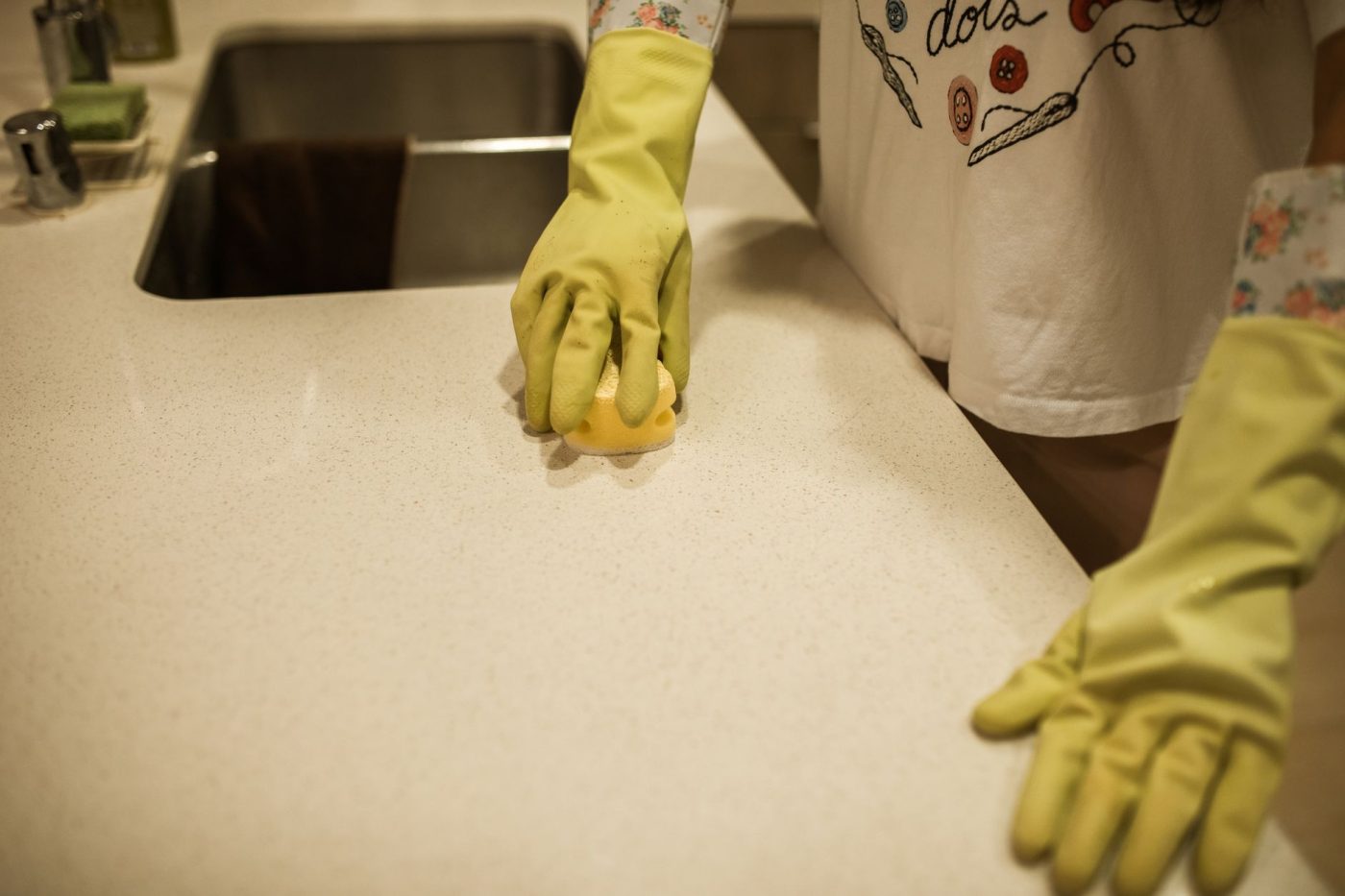
The medical term is cross-contact, because the gluten protein physically touches the gluten-free food. Even a few breadcrumbs or a dusting of flour on a countertop matter. The immune response in celiac disease can be triggered by a daily intake as low as 10 milligrams of gluten, which is roughly the amount in a crumb the size of a grain of rice. Rinsing a utensil or wiping a surface with a shared sponge does not remove gluten protein. It just spreads it around.
In a home or restaurant kitchen, cross-contact is not just about visible crumbs. Porous surfaces like wooden spoons and cutting boards trap gluten in scratches. Condiment jars become a risk when a knife that touched regular bread goes back in for a second scoop. Safe cooking starts with understanding the difference between foods that are naturally gluten-free and foods that stay gluten-free through every step of handling.
Where does cross-contact happen most often at home?
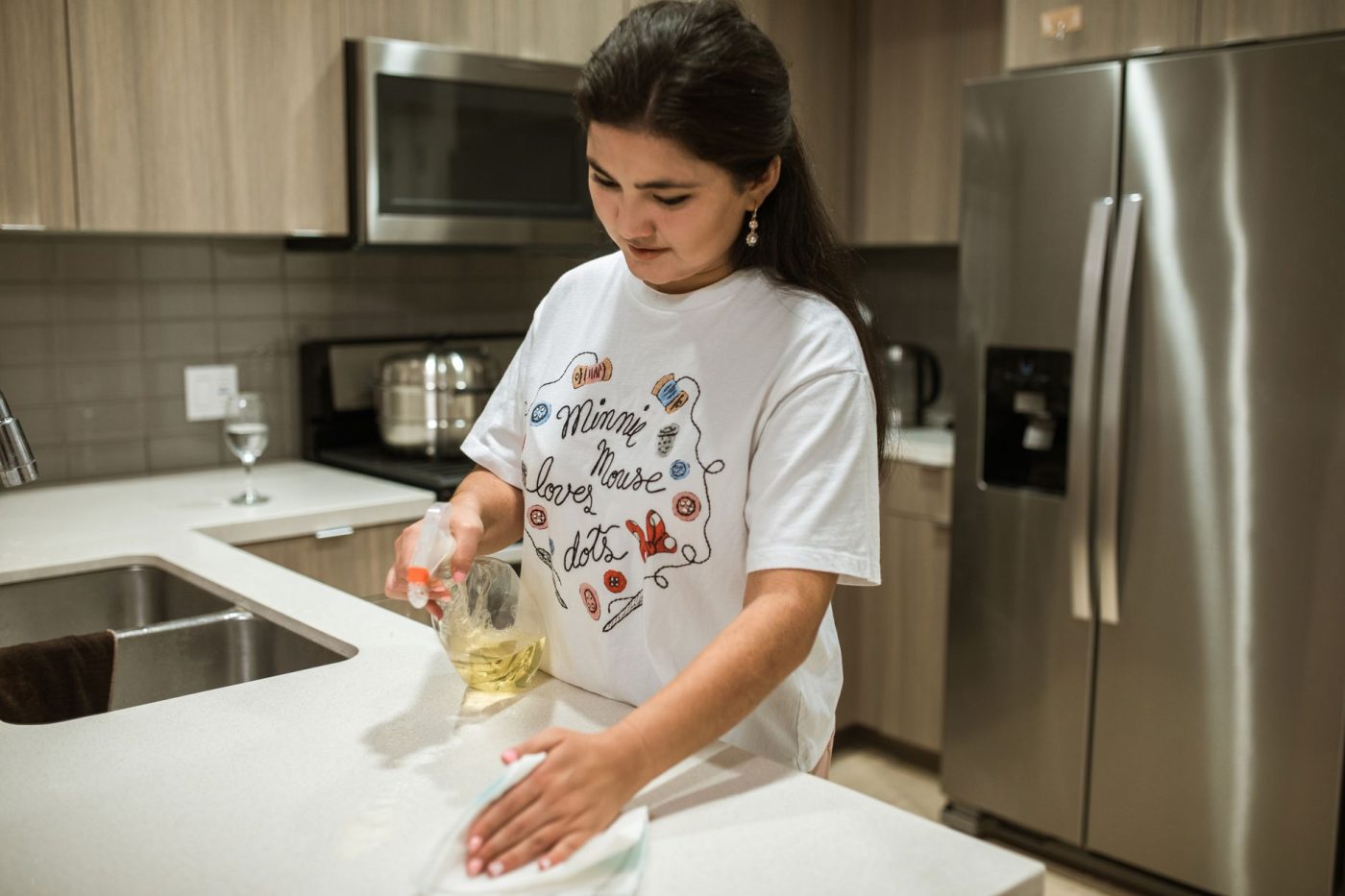
A few everyday kitchen items cause most accidental gluten exposure at home. The problem is not always visible. Shared surfaces, porous materials and double-dipped condiments all transfer gluten proteins into food that looks perfectly safe.
The highest-risk spots in a home kitchen include:
- Cutting boards and wooden spoons. Gluten hides in the tiny scratches and grain of wood. Even after a good scrub, a wooden board that once held regular bread can release gluten into the next meal. Plastic boards develop deep knife grooves over time, and gluten settles into them the same way.
- Shared toasters. A toaster cannot be cleaned well enough inside to remove gluten from the heating elements and crumb tray. Every slice of gluten-free bread toasted in a shared slot picks up particles from the last regular slice.
- Colanders and strainers. Gluten pasta water leaves a starchy film that clings to the small holes and rims. Rinsing is not enough. A dedicated gluten-free colander is one of the first items worth buying.
- Butter dish, jam jars and condiment bottles. A knife that touched wheat bread goes back into the butter, spreading crumbs through the whole block. The same happens with peanut butter, mayonnaise and mustard. Squeeze bottles reduce the risk, but shared jars need a strict no-double-dip rule.
- Flour in the air. Regular wheat flour stays airborne for hours after sifting or kneading and settles on every surface in the kitchen, including clean dishes and gluten-free ingredients. If someone bakes with wheat flour, gluten-free cooking should happen before or well after, with all counters wiped down.
Porous bakeware, scratched non-stick pans and shared sifters carry the same risk. A separate toaster, a marked gluten-free cutting board and a fresh stick of butter solve most of these problems without a full kitchen remodel.
How do I set up a shared kitchen safely?
A shared kitchen works when you create a system that keeps gluten away from your food, not when you try to scrub every crumb in a panic. The core idea is separation. Designate one section of the counter as the gluten-free prep zone and keep a gluten-free-only cutting board there. Wooden boards and scratched plastic ones trap gluten, so a smooth, dedicated board in a bright color makes the rule visible to everyone in the house.
Color-coding removes the guesswork. Pick one color for all your gluten-free tools and stick with it. A green spatula, a green colander and a green-handled knife tell anyone helping that these items never touch regular flour or bread. A separate toaster is essential. Crumbs inside a shared toaster will transfer gluten every time, so label a second toaster clearly or use toaster bags if counter space is tight.
- Squeeze bottles for condiments instead of jars that a knife dips into and spreads crumbs back into the container.
- A separate butter dish or a wrapped stick you cut from the far end.
- Your own sponge and dish towel, stored away from the sink where flour dust settles.
- A labeled shelf or upper cabinet bin for gluten-free pasta, flour and snacks, above any wheat flour that can drift down.
- Non-porous tools only: stainless steel, glass and silicone are easier to clean than wood or scratched non-stick.
- Cook gluten-free food first when making two versions of a meal, then set it aside covered before you start on the regular pasta or bread.
A shared kitchen does not need to be perfect. A few clear, repeatable habits lower the chance of a stray crumb ending up on your plate.
What should I watch for in restaurants and cafes?
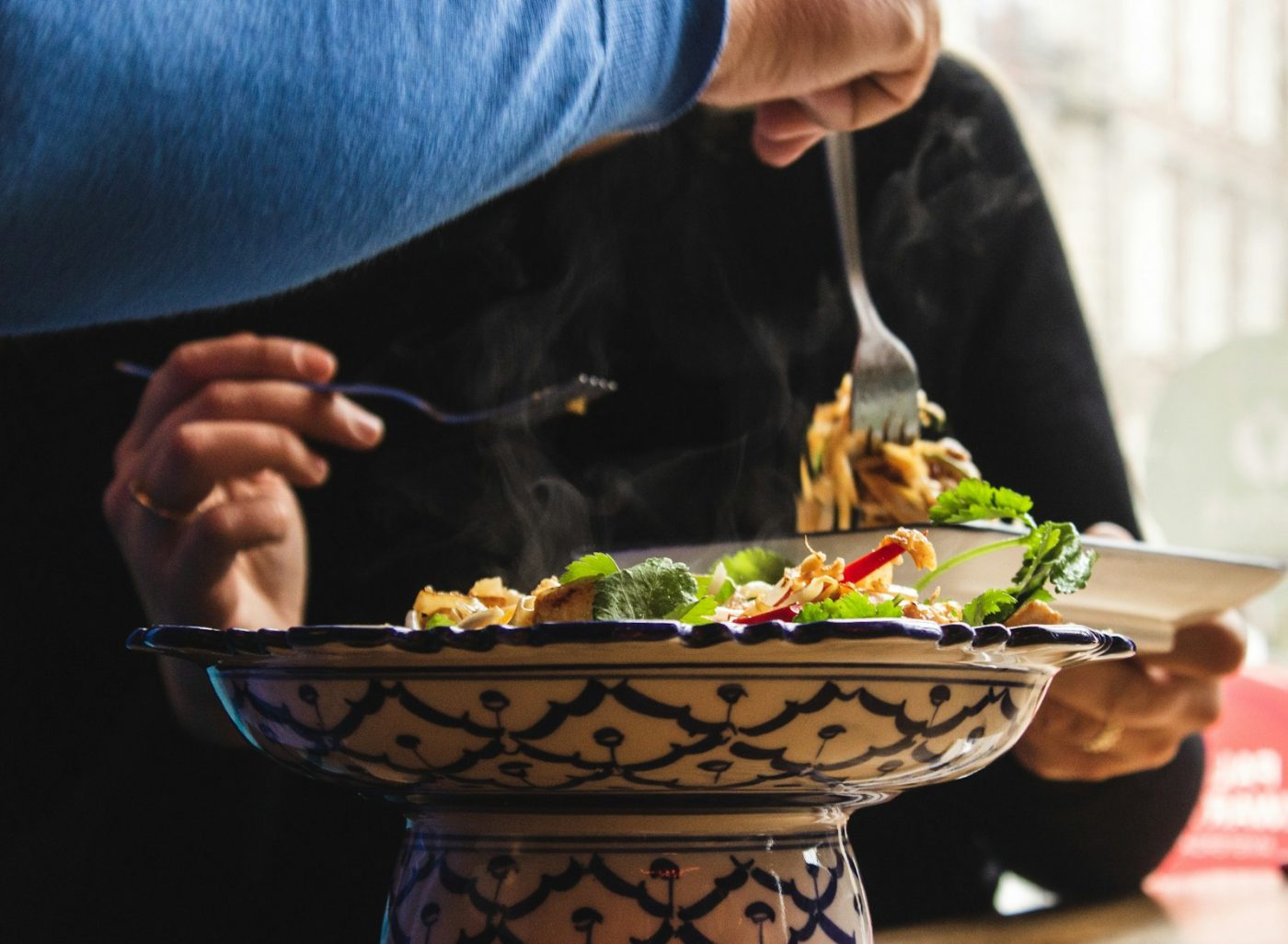
Shared fryers are the most common hidden risk. If a kitchen drops breaded onion rings or battered fish into the same oil used for french fries, those fries are no longer safe, even if the potato itself has no gluten. Always ask whether the restaurant has a dedicated gluten-free fryer. A "yes" to gluten-free fries means nothing without that confirmation.
Pasta water, griddles and pizza ovens create similar problems. A busy line cook might scoop gluten-free penne from the same pot that just boiled regular spaghetti. Or they might flip your omelette on a griddle still coated with pancake batter residue. Wood-fired pizza places deserve extra caution: a gluten-free crust placed directly on a flour-dusted stone or peel picks up contamination instantly. The safest restaurants either use a separate prep area or clean the stone thoroughly and bake the pizza on a dedicated screen or pan.
Before you order, ask the server or chef these questions:
- Do you have a separate fryer that never touches battered or breaded items?
- Is gluten-free pasta boiled in fresh water, not shared with regular pasta?
- Can you clean the grill or griddle before cooking my meal, or use a clean pan?
- Are bulk-bin scoops used only for one ingredient, or could flour and gluten-free flour share the same scoop?
- Does your pizza station have a designated gluten-free prep surface and a clean baking screen?
Watch how the staff react. A server who answers without checking the kitchen or dismisses the questions with "everything should be fine" is a red flag. The best kitchens pause, ask the chef, and come back with specific answers about their setup. If you have celiac disease, mention it by name and explain that even a trace of gluten makes you sick. Some restaurants keep a written allergen protocol. Ask if they have one.
Can oats, spices and packaged foods be cross-contaminated?
Oats themselves do not contain gluten, but most commercial oats are grown, transported and milled alongside wheat, barley or rye. The only safe choice is oats with a certified gluten-free label. This label means the producer has tested the final product. Regular rolled oats or steel-cut oats from a bulk bin carry a high risk of cross-contact and are not safe for someone who needs to avoid gluten strictly.
Ground spices and seasoning blends are another hidden risk. Pure whole spices such as peppercorns or cinnamon sticks are generally safe, but pre-ground turmeric, garlic powder or curry powder can include anti-caking agents or starches derived from wheat. Some manufacturers also run spice mixes on lines shared with flour or breadcrumb production. A gluten-free label on the jar confirms that the product has been tested and contains no more than 20 parts per million of gluten.
Packaged foods with a short, clean ingredient list can still be cross-contaminated during manufacturing. Frozen vegetables with sauce, dry soup mixes, chocolate bars and even plain frozen potato products sometimes share equipment with wheat-based items. An ingredient list alone does not tell you about the factory environment. The "gluten-free" claim on the front of the package means the company follows good manufacturing practices and tests for gluten, so it is the detail you should look for first.
What is the difference between cleaning and gluten removal?
Washing with warm water and dish soap removes gluten from hands and smooth, non-porous surfaces such as stainless steel, glass, ceramic and stone countertops. The combination of detergent and friction lifts the protein so it can be rinsed away. A standard hot cycle in a dishwasher is effective for metal utensils, glass bakeware and ceramic dishes because the water temperature and detergent work together to break down food residue.
Porous materials are a different story. Wooden cutting boards, wooden spoons, scratched nonstick pans and cast iron absorb gluten into their surface, where washing cannot reach it reliably. The same applies to colanders with fine mesh, silicone spatulas with cuts and rolling pins with crevices. No amount of scrubbing guarantees these items are safe for someone with celiac disease.
The practical rule is simple: if a surface is smooth and non-porous, clean it thoroughly and it is safe. If it is porous, scratched or has hiding spots for food particles, replace it with a dedicated gluten-free version. Keep a separate colander, a fresh nonstick pan and a new wooden board stored away from the ones used for wheat flour and regular pasta.
FAQ
Can a shared toaster really make me sick?
Yes. A shared toaster is one of the most common sources of gluten cross-contact at home. Crumbs from regular bread stick to the grates and transfer directly onto gluten-free bread. A dedicated gluten-free toaster or toaster bags are the safest solutions.
Is a dishwasher enough to clean shared utensils?
A dishwasher with hot water and detergent removes gluten from stainless steel, glass and ceramic items effectively. Porous materials like wood, bamboo and scratched plastic or nonstick coatings can trap gluten and are harder to clean. Many people keep a separate set of gluten-free tools for peace of mind.
How do I know a restaurant takes cross-contact seriously?
Call ahead and ask specific questions: do they have a separate fryer, do they use fresh pasta water, and do staff change gloves between tasks. A knowledgeable, direct answer is a good sign. If the person on the phone sounds unsure or says 'it should be fine,' that is a red flag.
Do I need to worry about airborne flour?
Airborne flour can settle on counters, tools and uncovered food, and it stays in the air for hours. In a home kitchen, avoid baking with regular flour on the same day you prepare gluten-free food. In a bakery or pizza shop, airborne flour is a constant risk that makes the space unsafe for someone with celiac disease.