Gluten-Free Sides for Fish: 12 Simple Pairings
Which vegetables make the quickest gluten-free side for fish?
Plain fresh vegetables are naturally gluten-free, so they are the simplest choice when you need a side dish in under 10 minutes. Pick vegetables that cook fast with minimal prep and pair their flavor with the fish you are serving.
These five vegetables go from cutting board to plate faster than the fish takes to sear or roast:
- Asparagus snaps cleanly at the woody end. Toss the spears with olive oil and salt, then grill or pan-sear for 4-5 minutes until bright green and tender-crisp.
- Green beans need only the stem ends trimmed. Blanch them in salted boiling water for 3 minutes, then drain and toss with a pat of butter and a squeeze of lemon.
- Spinach wilts in a hot skillet with a drizzle of oil and a pinch of salt in about 90 seconds. Press out excess liquid before serving so it does not water down the plate.
- Zucchini sliced into half-moons or ribbons cooks in a single layer in a hot pan for 3-4 minutes. A quick toss with garlic and fresh herbs balances the mild flavor.
- Broccolini split lengthwise roasts at 425°F for 8-10 minutes or pan-steams with a splash of water in half that time. The tender stems and crisp florets hold up well next to a fillet.
Seasoning the vegetables simply with salt, pepper, and a squeeze of citrus keeps the focus on the fish while adding brightness. If you are cooking for someone with celiac disease, wash the produce and use a clean cutting board and utensils to avoid cross-contact from shared kitchen surfaces.
What gluten-free grains pair well with fish?
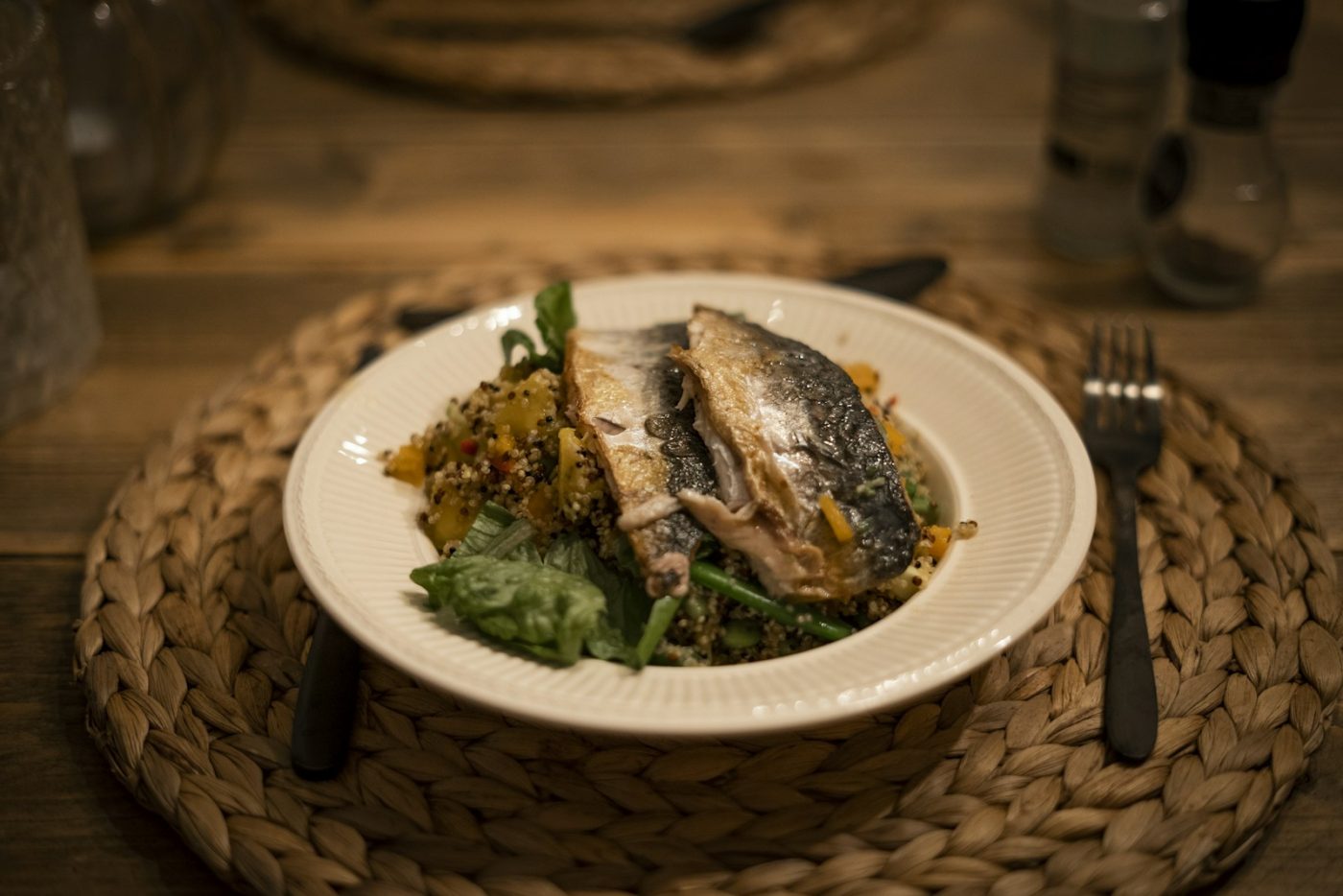
Grains that are naturally gluten-free work beautifully with fish because their mild flavor lets the fish stand out while adding texture. Rice, quinoa, millet, and certified gluten-free buckwheat are all safe choices, but you must buy them carefully. Grains scooped from bulk bins can pick up traces of wheat or barley from shared scoops and neighboring bins, so packaged grains labeled gluten-free are the safer route.
Cook each grain plainly in salted water or a light broth so the flavor stays clean. A squeeze of lemon, a drizzle of olive oil, and a handful of fresh herbs finish the dish. Here is how to handle four reliable options:
- White or brown rice: Rinse the rice under cold water until it runs clear, then simmer it in double the volume of water until tender. Fluff it with a fork and let it rest covered for five minutes off the heat. Jasmine and basmati rice bring a subtle floral note that pairs especially well with white fish.
- Quinoa: Rinse quinoa thoroughly to remove the natural bitter coating, then cook it in a 1:2 ratio of grain to water for about 15 minutes. The tiny spiral-shaped germ separates when done, giving a light, fluffy texture that holds up next to grilled salmon or trout.
- Millet: Toast the dry millet in the saucepan for a minute before adding water to bring out a gentle nuttiness. Simmer it for 18-20 minutes, then let it steam off the heat. The finished texture is soft and slightly creamy, a good match for roasted fish.
- Certified gluten-free buckwheat: Despite its name, buckwheat is not wheat, but it is often processed on shared equipment. Look for a gluten-free certification on the package. Toasted buckwheat, sometimes labeled kasha, cooks in about 10-12 minutes and has an earthy taste that stands up to stronger fish like mackerel.
Can I serve potatoes as a gluten-free side with fish?
Potatoes are naturally gluten-free and one of the most reliable choices for a quick fish dinner. A plain potato fresh from the produce section contains no wheat, rye or barley, so you can start with confidence. The only risk is packaged seasoning blends, gravy mixes or shared fryer oil, which may hide gluten. Season whole potatoes yourself to keep the meal safe.
These four preparations all take 40 minutes or less and pair well with baked white fish, salmon or trout:
- Mashed potatoes: Boil peeled Yukon Golds until tender, then mash with butter and warm milk. Season with salt and cracked pepper. For a garlic version, simmer a peeled clove with the potatoes and mash it in.
- Roasted wedges: Cut russets into wedges, toss with olive oil and coarse salt, and roast at 425°F (220°C) for 30-35 minutes, turning once. The edges crisp up while the centers stay fluffy.
- Boiled new potatoes with herbs: Halve small red or fingerling potatoes and boil in salted water for 12-15 minutes. Drain, then toss with melted butter, fresh dill and a squeeze of lemon.
- Smashed potatoes: Boil small whole potatoes until fork-tender, place them on an oiled baking sheet, press down gently with a fork, drizzle with oil and roast at 450°F (230°C) for 20 minutes. The flattened surfaces turn golden and crunchy.
If you reach for a store-bought seasoning packet or a tub of flavored butter, read the label. Wheat starch and hydrolyzed wheat protein sometimes appear in blends labeled "roasted garlic" or "steakhouse seasoning." Plain kosher salt, black pepper, dried herbs and single-ingredient spices are the safer route.
Which legumes work as a gluten-free side for fish?
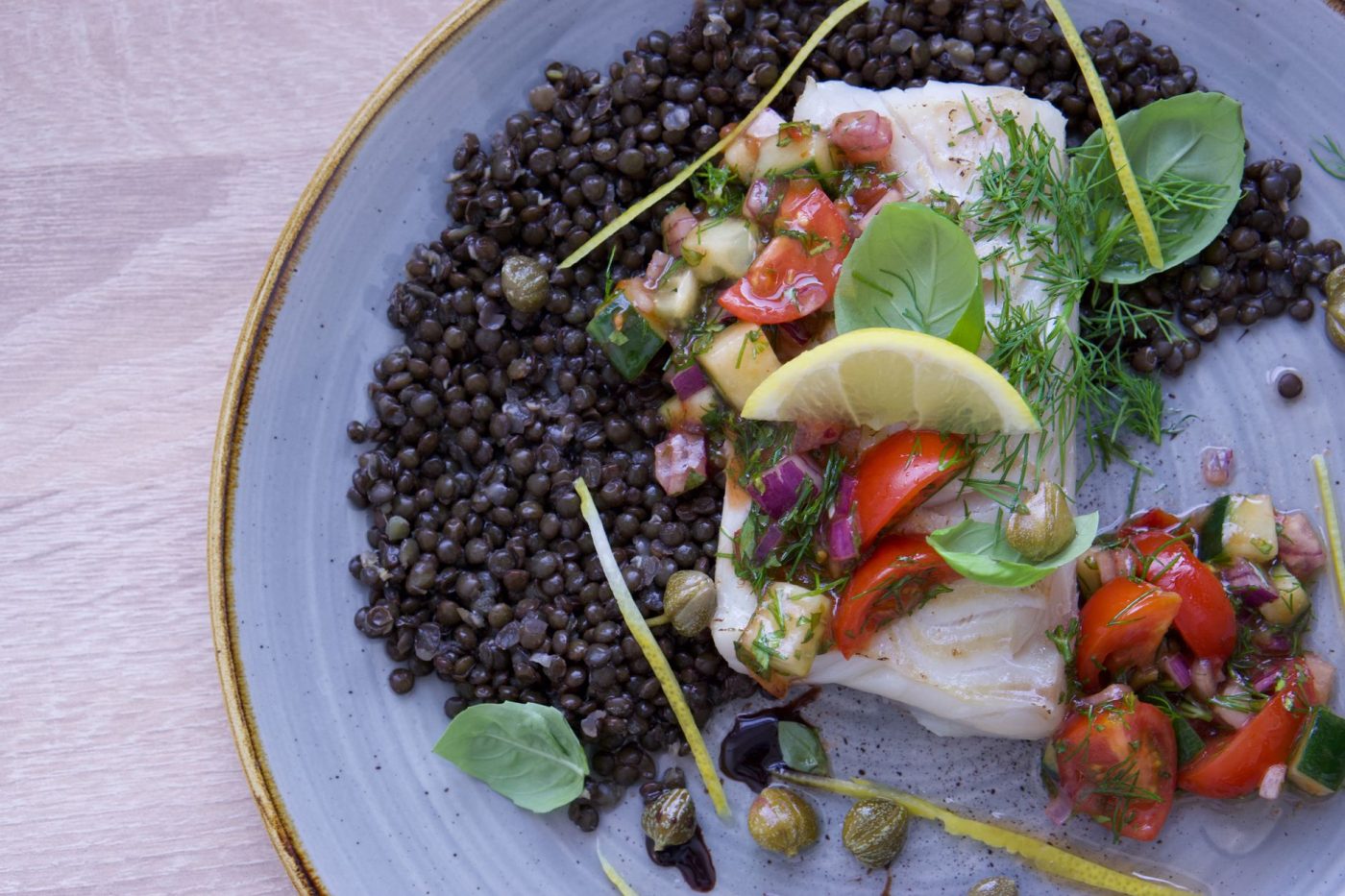
Lentils, chickpeas, and white beans all make sturdy, warm sides that hold their own next to a piece of fish. Brown or green lentils keep their shape best and cook in about 20-25 minutes without soaking. Chickpeas bring a nutty bite that works especially well with roasted white fish, while creamy white beans pair naturally with salmon or trout.
Dried legumes are naturally gluten-free, so they are the safest starting point. Canned beans and lentils can be convenient, but you need to check the label. Some brands add wheat-derived thickeners or malt vinegar, and shared packing lines can introduce cross-contact. A quick rinse also removes the starchy liquid that sometimes contains hidden gluten.
- Warm lentil salad: Toss cooked brown lentils with diced cucumber, fresh dill, olive oil, and a squeeze of lemon. Spoon it next to pan-seared cod.
- Chickpea and roasted pepper toss: Mix chickpeas with jarred roasted red peppers, capers, and a light vinaigrette. Serve warm or at room temperature with grilled halibut.
- Smashed white beans: Warm cannellini beans in a skillet with a little broth, then mash half of them with a fork. Stir in garlic and fresh parsley and plate under a fillet of salmon.
- Herbed chickpea sauté: Heat chickpeas in olive oil with minced shallot and chopped rosemary until the edges turn golden. Pile alongside trout or sea bass.
- Lentils with mustard dressing: Fold whole-grain mustard, red wine vinegar, and finely chopped shallot into warm green lentils. Pair with mackerel or sardines for a bold combination.
- White bean and arugula salad: Combine warm white beans with baby arugula, shaved Parmesan, and a drizzle of olive oil. The peppery greens balance rich fish such as arctic char.
What creamy gluten-free sides go with fish?
A creamy side balances the lean texture of most fish. You can make it with dairy or keep it completely dairy-free. Choose the right thickener. Skip wheat flour and reach for cornstarch or potato starch, which both thicken sauces and purees without adding any gluten.
Mashed cauliflower is a lighter alternative to mashed potatoes. Steam florets until very tender, then blend with butter, a splash of milk or unsweetened almond milk, and a pinch of salt. For a dairy-free version, use olive oil and a little of the steaming water to reach a smooth consistency.
Creamy polenta with butter and Parmesan makes a warm, soft base for roasted or pan-seared fish. Stir the polenta constantly while it cooks, then finish with butter and grated cheese off the heat. Coconut rice is another rich option: replace half the cooking water with full-fat coconut milk and add a pinch of salt. The subtle sweetness pairs especially well with salmon or white fish with a spicy glaze.
For a cool, fresh side, a yogurt-dill cucumber salad comes together in minutes. The list below covers these four ideas plus two more creamy pairings you can make with simple pantry ingredients.
- Mashed cauliflower with butter and a splash of milk
- Creamy polenta finished with butter and Parmesan
- Coconut rice made with half water and half full-fat coconut milk
- Yogurt-dill cucumber salad with thinly sliced cucumbers, plain yogurt, fresh dill, and a squeeze of lemon
- Silky sweet potato puree thickened with a little potato starch and enriched with coconut cream
- Dairy-free dill sauce made from blended soaked cashews, lemon juice, garlic, and water, served cold over hot fish
How do I build a gluten-free grain bowl with fish?
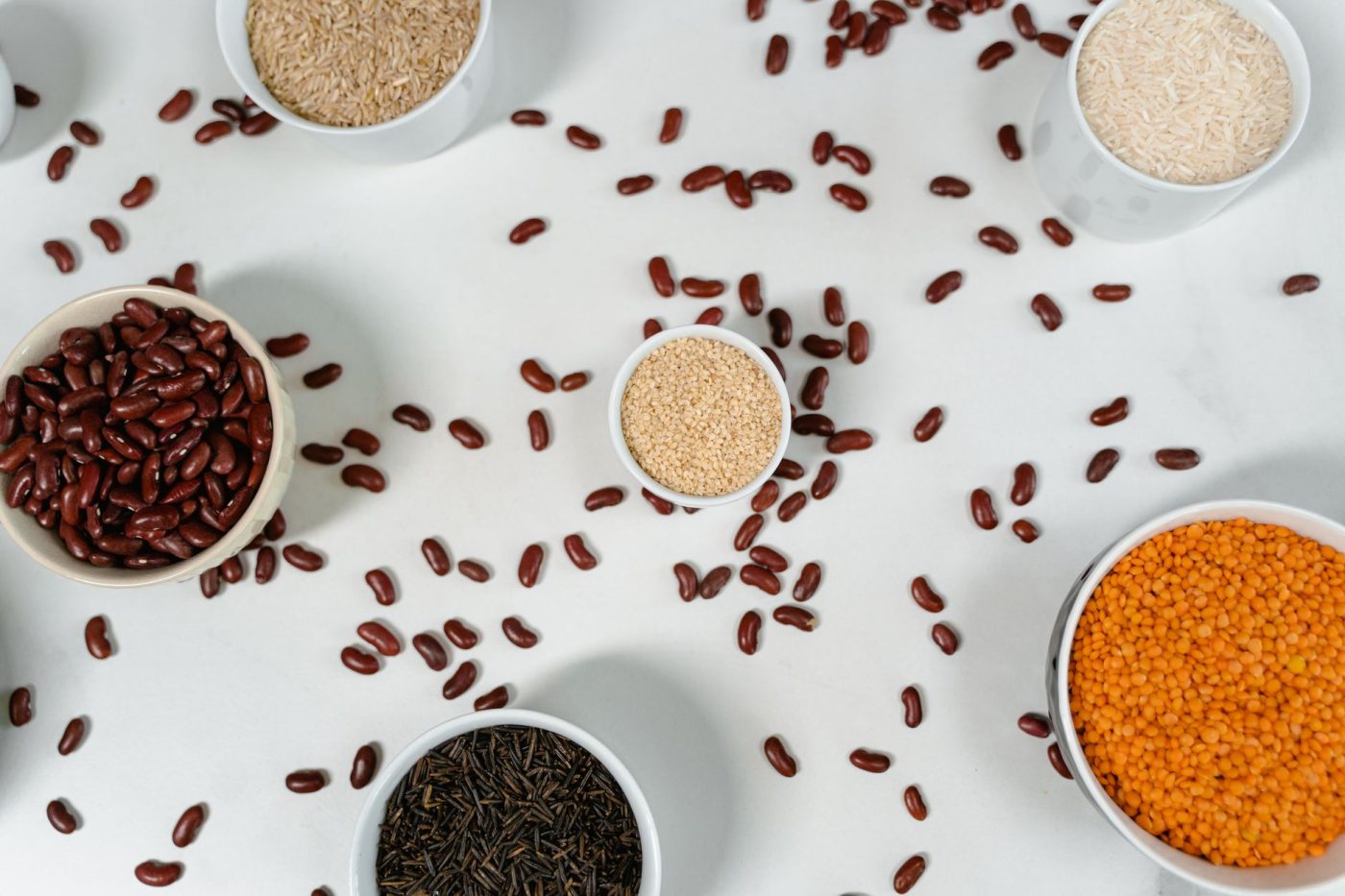
Start with a base of cooked gluten-free grains, add your fish, then layer in vegetables and a dressing. Use one grain, one cooked vegetable, one raw crunchy element, and one sauce. This keeps the bowl balanced.
For a Mediterranean bowl, use cooked quinoa, flaked baked salmon, roasted zucchini, and halved cherry tomatoes. Drizzle with olive oil and lemon juice, then add a spoonful of hummus. For an Asian-inspired bowl, use steamed jasmine rice, pan-seared white fish, sautéed bok choy, and shredded carrots. Dress with a mix of tamari, rice vinegar, and a drop of sesame oil. Tamari is the gluten-free alternative to regular soy sauce, which usually contains wheat.
Keep the fish warm while you assemble the bowl. Prep the dressing in a small jar while the grains cook, and slice the raw vegetables last so they stay crisp.
What should I double-check when buying packaged gluten-free sides?
Packaged sides can save time, but the ingredient list tells only part of the story. A product made from naturally gluten-free grains or vegetables can still pick up gluten during processing. Read the full label every time you shop.
Readers with celiac disease should look for a certified gluten-free seal from a third-party program such as GFCO or the Celiac Support Association. That mark means the product has been tested and the facility follows protocols to keep gluten out. A “gluten-free” claim on the front without a certification logo is still regulated by the FDA, but the testing threshold is less strict.
Watch for these risks on the label:
- Malt vinegar and barley malt extract show up in dressings, pickled vegetables, and seasoned rice mixes. Barley is a gluten-containing grain, so both ingredients are unsafe.
- Soy sauce in marinades or seasoning packets is usually brewed with wheat. Look for tamari or a soy sauce labeled gluten-free if the package does not specify.
- Seasoning packets inside boxed rice or quinoa blends often contain wheat flour or hydrolyzed wheat protein as a thickener or flavor carrier.
- Shared fryer oil affects frozen vegetable sides like tempura-battered green beans or seasoned fries. Call the manufacturer if the package says “may contain wheat” or lists no gluten ingredients but does not state a dedicated fryer.
- Bulk-bin items such as dry polenta, lentils, or rice carry a high risk of cross-contact from shared scoops.
FAQ
Is rice always gluten-free?
Plain rice in all its forms (white, brown, jasmine, basmati, wild rice) is naturally gluten-free. The risk comes from boxed rice mixes with seasoning packets, which often contain wheat-based flavorings or malt. Stick to plain dry rice and season it yourself, and if you have celiac disease, avoid rice from bulk bins where scoops can transfer flour dust.
Can I use soy sauce in a gluten-free fish dinner?
Regular soy sauce is made with wheat and is not gluten-free. Swap it for tamari, which is typically brewed without wheat, or look for a soy sauce clearly labeled gluten-free. Always read the bottle, because some tamari brands still include a small amount of wheat.
Are frozen vegetables safe for a gluten-free meal?
Plain frozen vegetables without sauce or seasoning are usually gluten-free. Check the ingredient list on the package for any added starches, flavorings, or sauce packets that may contain wheat. Vegetables frozen with butter or cheese sauces are the ones most likely to hide gluten.
What is the safest gluten-free starch to thicken a sauce for fish?
Cornstarch and potato starch are both naturally gluten-free and work well for pan sauces and gravies. Arrowroot powder is another option that handles high heat well. Avoid using regular wheat flour as a thickener, and if you buy a pre-made gluten-free flour blend, confirm it is intended for savory cooking rather than baking.