How to Choose Gluten-Free Pasta for Salad
Why does gluten-free pasta often fail in cold salads?
Chilling changes the structure of gluten-free pasta in ways that wheat pasta does not. Without gluten to form a flexible protein network, the starches in corn, rice, or legume pasta continue to retrograde as they cool. This process forces water out of the starch granules, leaving the pasta dry, brittle, and prone to cracking when you toss the salad.
The problem shows after a few hours in the refrigerator. Pasta that felt tender and pleasant straight from the colander can turn unpleasantly hard or crumbly by the time the salad hits the table. Rice-based shapes are especially vulnerable because their starch structure sets up more rigidly than corn or legume alternatives. Gluten-free pasta also absorbs dressing differently when cold, often soaking up liquid unevenly while the surface stays dry and chalky.
You can reduce these texture failures by choosing a shape and ingredient base that holds up to chilling, which the next section covers. The cooking method also matters more than most people realize. Slightly undercooking and cooling the pasta correctly helps lock in moisture before it escapes.
Which gluten-free pasta holds its shape best after chilling?
Legume-based pastas made from chickpeas, red lentils, or green peas hold their shape best in a cold salad. They have a firm, almost springy texture that does not turn mushy after a night in the refrigerator. The protein and fiber in legume flours help the pasta keep its structure even when coated with dressing.
Brown rice pasta ranks second for cold dishes. It stays intact well but will firm up more than legume pasta as it chills. A quick rinse under warm water before serving can bring back some tenderness. Corn pasta is softer by nature and tends to break apart after absorbing moisture from the dressing, so it works only in salads served immediately.
The main types compare like this after an overnight chill:
- Chickpea and red lentil pasta stay firm and separate, with almost no breakage.
- Green pea pasta holds its shape well and adds a mild sweetness.
- Brown rice pasta keeps its form but becomes firmer and slightly chewy.
- White rice pasta softens noticeably and clumps together.
- Corn pasta absorbs liquid quickly and often crumbles when tossed.
- Quinoa pasta falls in the middle but can turn gritty when cold.
How do corn, rice, and legume pastas compare in flavor?
Chilling mutes sweetness and sharpens earthy notes, so a pasta that tastes balanced hot can become flat or bitter when cold. Corn pasta keeps a mild, buttery sweetness that works well with bright dressings. White rice pasta is the most neutral option and takes on the flavor of whatever you mix in, which makes it a reliable base for bold salads.
Brown rice pasta has a nuttier, slightly toasted taste that some people find too pronounced once chilled. Among legume pastas, chickpea holds a gentle bean flavor that pairs nicely with Mediterranean ingredients, while red lentil brings an earthier, almost mineral note. Green pea pasta tastes distinctly vegetal and sweet, a character that intensifies in cold dishes.
- Corn pasta offers a mild, buttery sweetness that stays pleasant when cold.
- White rice pasta tastes neutral and absorbs dressing flavors without competing.
- Brown rice pasta carries a nutty, toasted note that can feel heavy after chilling.
- Chickpea pasta has a gentle bean flavor suited to olive oil and herb dressings.
- Red lentil pasta delivers an earthy, mineral taste that stands out in simple salads.
- Green pea pasta brings a sweet, vegetal flavor that grows stronger when served cold.
How should you cook gluten-free pasta for a cold salad?
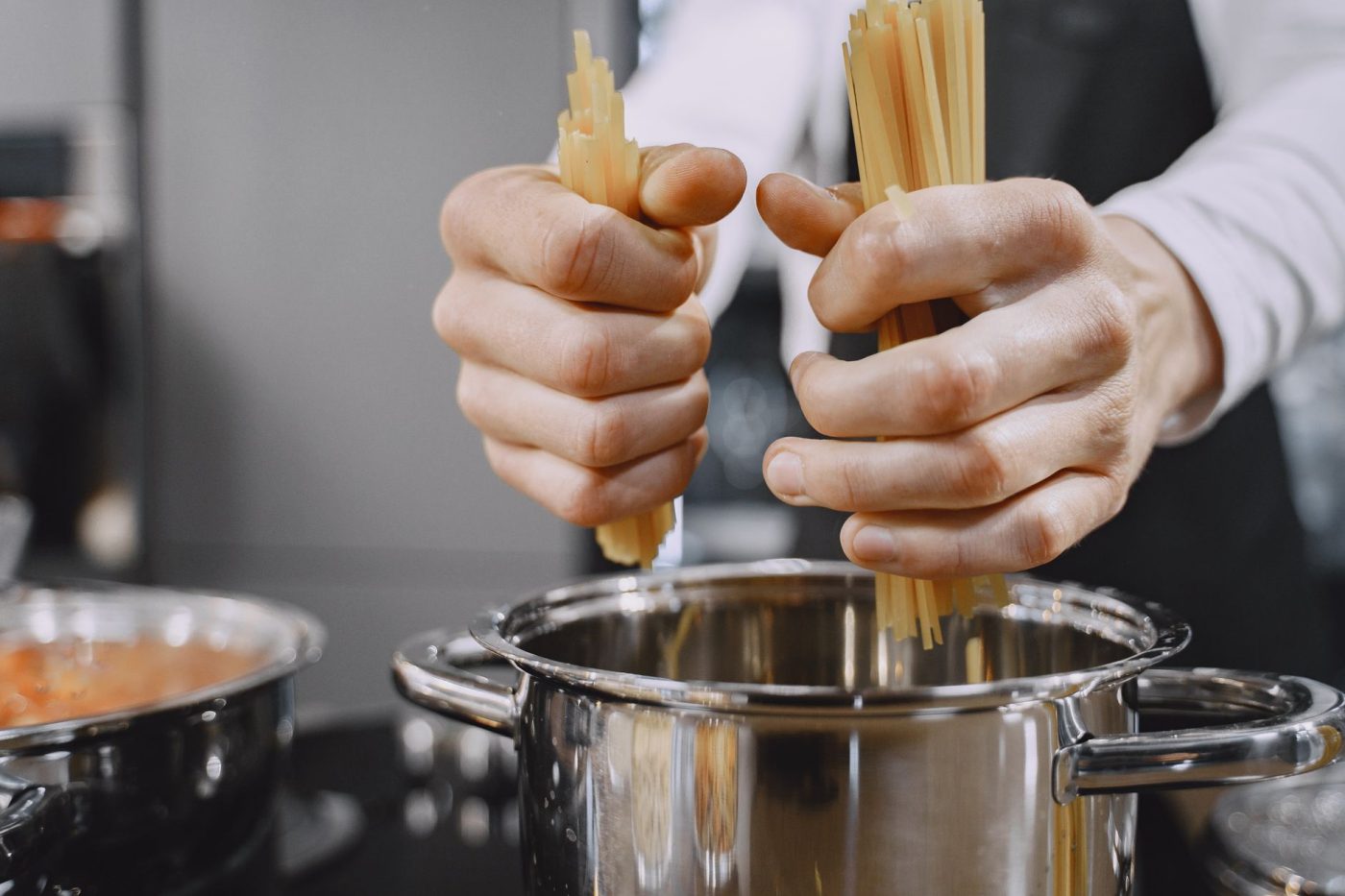
Cooking gluten-free pasta for a salad needs a slightly different approach than for a hot dish. The goal is tender pasta that does not turn mushy or stick together in one cold clump after chilling. A few simple adjustments to your usual method make a big difference.
Start by boiling the pasta in a large pot of well-salted water. Use at least four quarts of water for a standard one-pound box so the pasta has room to move and the starch does not concentrate. Set a timer for the shortest time printed on the package and begin checking for doneness a full minute before that. You want the pasta to be just tender with no hard center, but still pleasantly chewy, because it will soften a little more as it cools.
As soon as the pasta is ready, drain it in a colander and rinse it thoroughly under cold running water. This step washes away the surface starch that causes clumping and stops the cooking immediately. Shake the colander well to remove as much water as possible, then spread the pasta on a clean kitchen towel or paper towels and pat it dry. Excess water will dilute your dressing later.
- Boil pasta in a large pot with plenty of salted water, at least four quarts per pound.
- Begin tasting one minute before the shortest package time; drain when just tender.
- Rinse immediately under cold running water until the pasta feels cool to the touch.
- Drain well, then spread on a towel and pat dry to remove surface moisture.
- Toss the cooled, dry pasta with a small amount of your dressing to coat each piece before adding other ingredients.
Tossing the pasta with a spoonful of dressing while it is still alone in the bowl helps lock in moisture and prevents it from absorbing too much dressing later and becoming soggy. Wait until the pasta is completely cool before folding in vegetables, proteins, and the rest of the dressing.
Which shapes work best for gluten-free pasta salad?
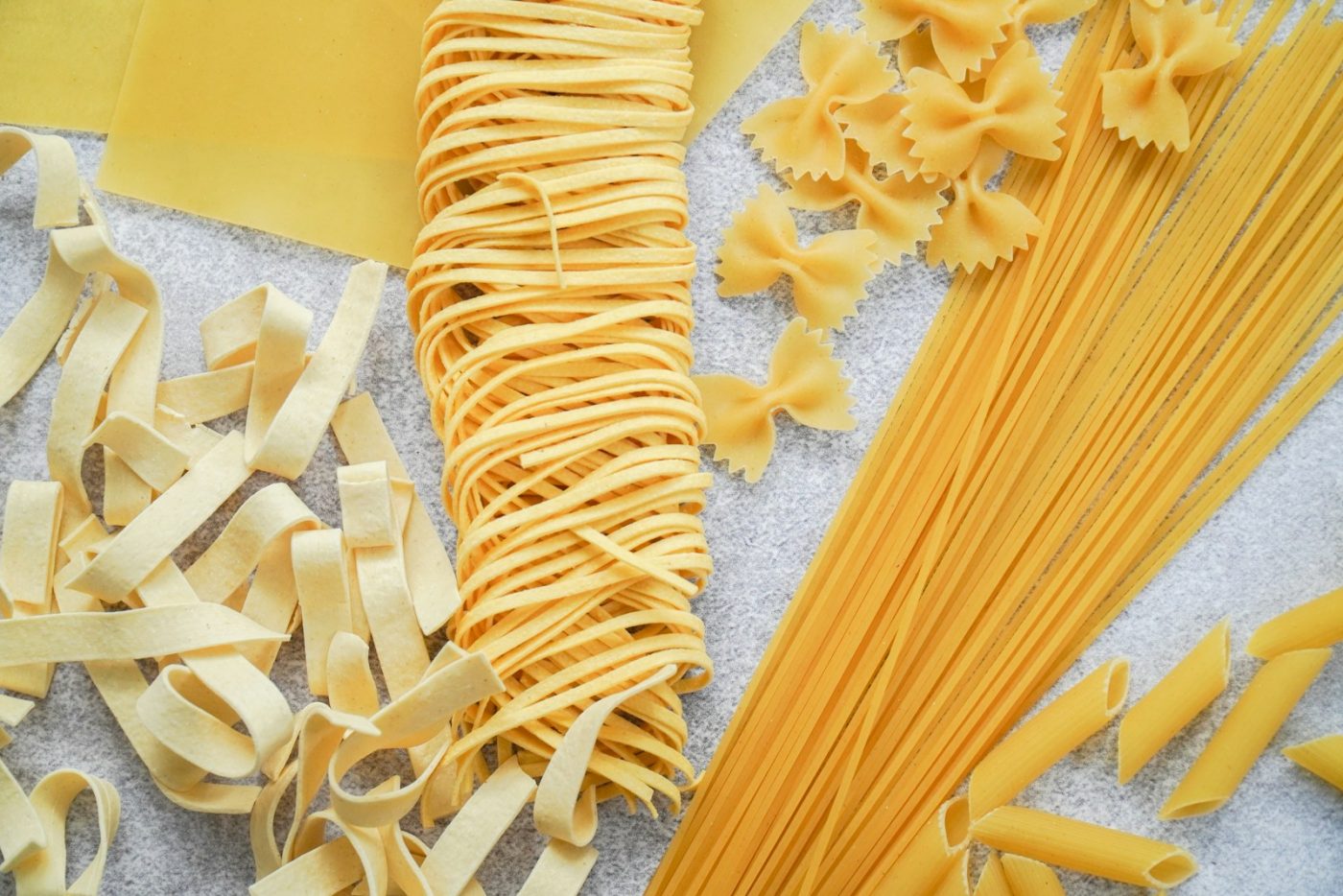
Short, sturdy shapes with ridges or hollow centers hold dressing better and break less often than long noodles. Fusilli, penne, and elbows are the most reliable choices for a cold salad because their texture traps bits of herbs and dressing in every bite. Long gluten-free strands like spaghetti or fettuccine tend to clump and become gummy once chilled, so they are better suited to warm dishes.
Pick a shape that matches the size of your other ingredients. Small vegetables, beans, or crumbled cheese get lost inside large shells, while tiny pastas can turn a chunky salad into a spoonable mix that feels more like a side than a main dish. These are the shapes home cooks reach for most often, and why each works well in a cold salad.
- Fusilli has tight spirals that catch vinaigrette and small bits of chopped herbs. The coils stay springy after chilling and do not collapse under the weight of heavier add-ins like olives or roasted peppers.
- Penne works well with creamy dressings that cling to the inside of the tube. The angled ends help the pieces nestle together on a fork, and the hollow center holds diced cucumber or tomato neatly.
- Elbows are a classic choice for macaroni-style salads. Their small, curved shape mixes evenly with shredded carrot, celery, and mayonnaise-based dressings without sinking to the bottom of the bowl.
- Rotini is similar to fusilli but with a slightly tighter twist. It holds up under thick dressings and stands out in salads where you want the pasta shape to be part of the visual appeal.
- Farfalle adds a delicate, ribbon-like look to a salad, but it needs a gentle hand when tossing. The pinched center can tear if the pasta is overcooked, so keep it slightly firmer than you would for a hot dish.
- Ditalini are tiny tubes that work best in finely chopped salads where every spoonful should have an even mix of pasta, vegetables, and dressing. They are small enough to pair with minced shallots, capers, or finely diced pickles.
Whichever shape you choose, cook it just to the firm side of al dente so it keeps its bite after a night in the refrigerator. Shapes with more surface area, like fusilli and rotini, also brown slightly faster if you toast the cooked pasta in a dry skillet for a minute before dressing it. This adds a subtle nutty note to the finished salad.
What dressings and add-ins pair well with gluten-free pasta salad?
Oil-based dressings coat gluten-free pasta evenly without turning it soft. Whisk extra virgin olive oil with red wine vinegar or lemon juice, a small spoon of Dijon mustard, and salt. The mustard helps the dressing cling to the pasta instead of pooling at the bottom of the bowl. Creamy dressings work too if you add them just before serving. A dressing of mayonnaise, plain yogurt, and a splash of pickle brine stays thick and does not soak into the pasta right away.
Vegetables that stay crisp after chilling give the salad crunch. Thinly sliced celery, bell peppers, shredded carrot, and halved cherry tomatoes all hold their texture for hours in the fridge. Blanched green beans and lightly steamed broccoli florets add color without releasing water. Rinse canned chickpeas or white beans well and pat them dry before folding them in. Cubes of firm cheese, such as feta or aged cheddar, keep their shape and add saltiness.
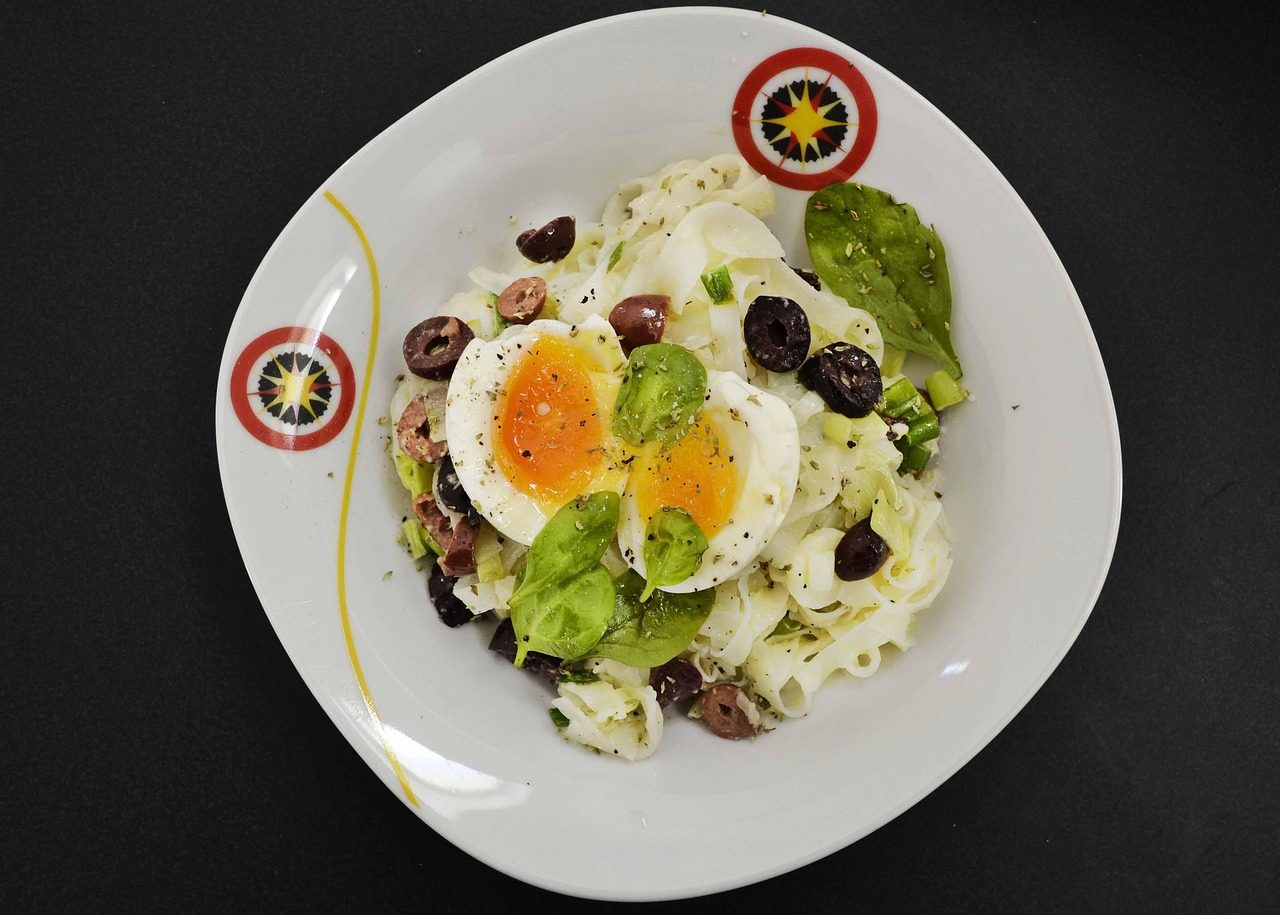
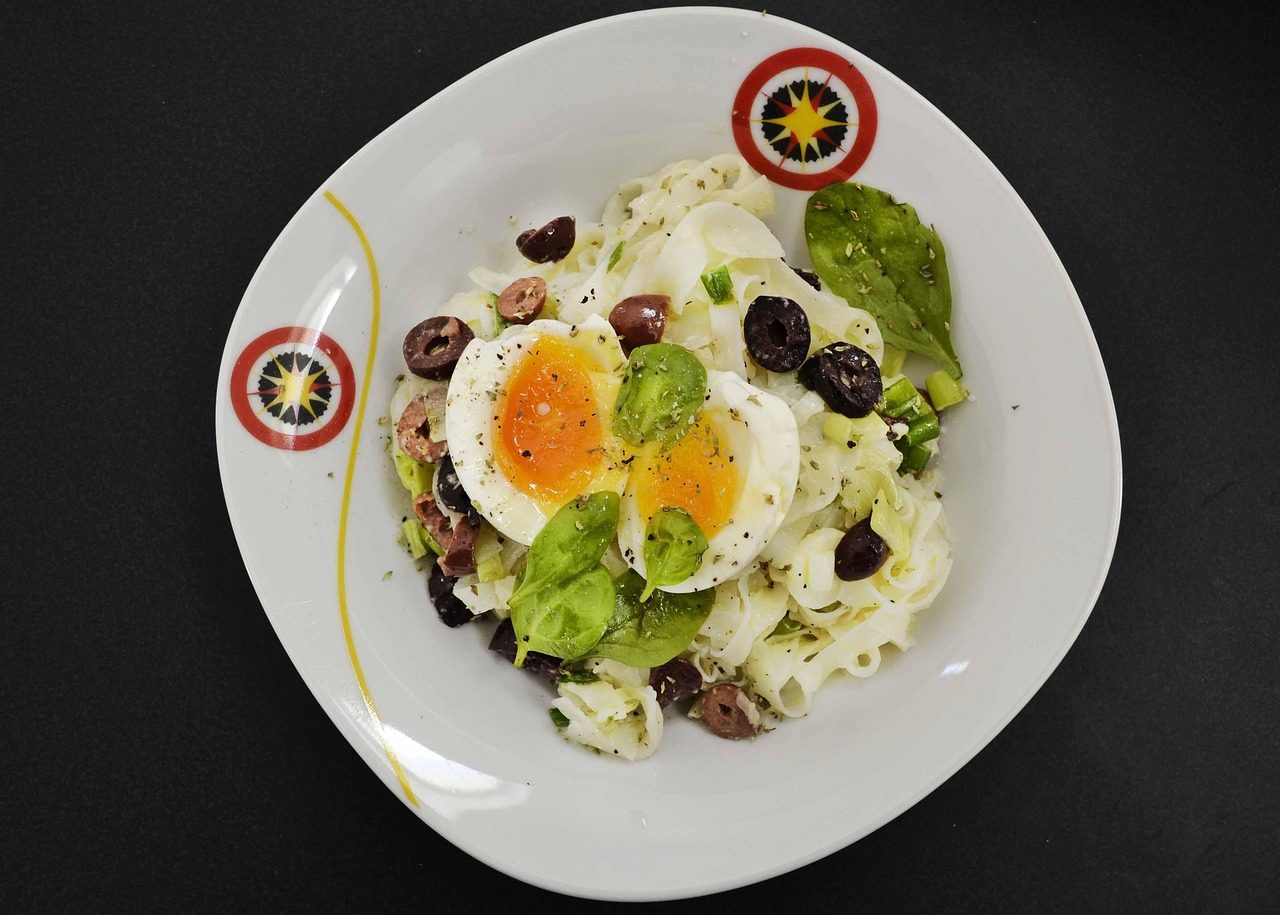
Proteins that stay moist and hold their shape work best. Grilled chicken thigh stays moist when chilled, longer than breast. Diced salami or cooked bacon bits add a smoky note that stands up to bold dressings. If you use hard-boiled eggs, slice them just before serving so the yolks stay intact. Toss the pasta with half the dressing while still slightly warm, then add the rest with the vegetables and protein once everything has cooled completely.
FAQ
Can I use any gluten-free pasta for a cold salad?
Not every gluten-free pasta works well cold. Corn and rice blends tend to stay tender, while some legume pastas can turn grainy or dry. Check the package for cooking directions and, if you have celiac disease, confirm it is labeled gluten-free.
Why did my gluten-free pasta salad turn hard in the fridge?
Gluten-free pasta can lose moisture as it chills and become firm or crumbly. Rinsing it after cooking and tossing it with a little oil while it is still warm helps lock in moisture. Storing the salad with a slightly wetter dressing also keeps it softer.
Should I rinse gluten-free pasta after cooking for a salad?
Yes. Rinsing stops the cooking, removes excess starch that makes pasta sticky, and cools it down quickly. Use cold water and drain well before adding dressing.
How far ahead can I make a gluten-free pasta salad?
Most gluten-free pasta salads keep well in the fridge for up to three days. Stir in a splash of extra dressing or a little olive oil before serving if the pasta has absorbed too much liquid.