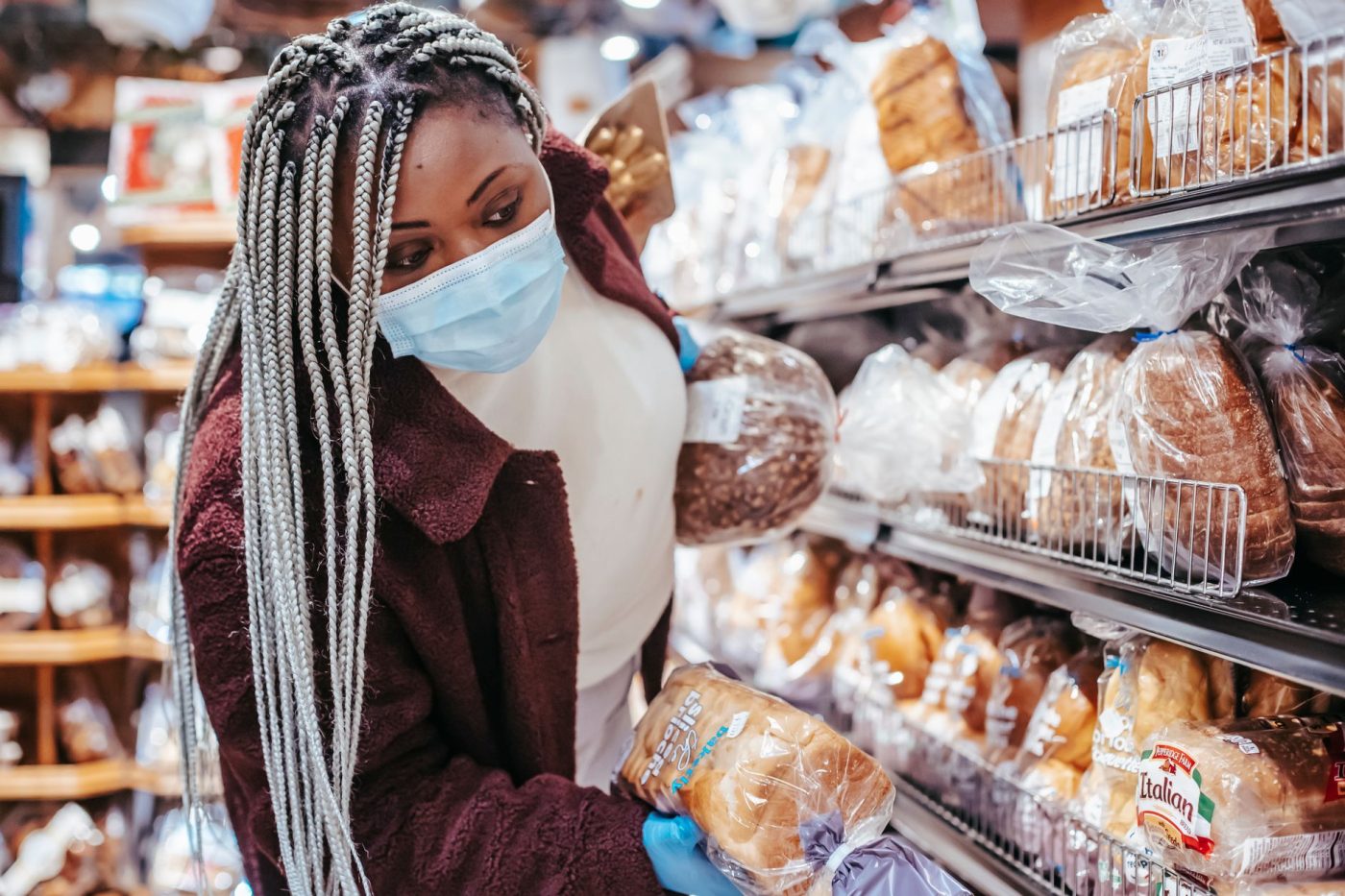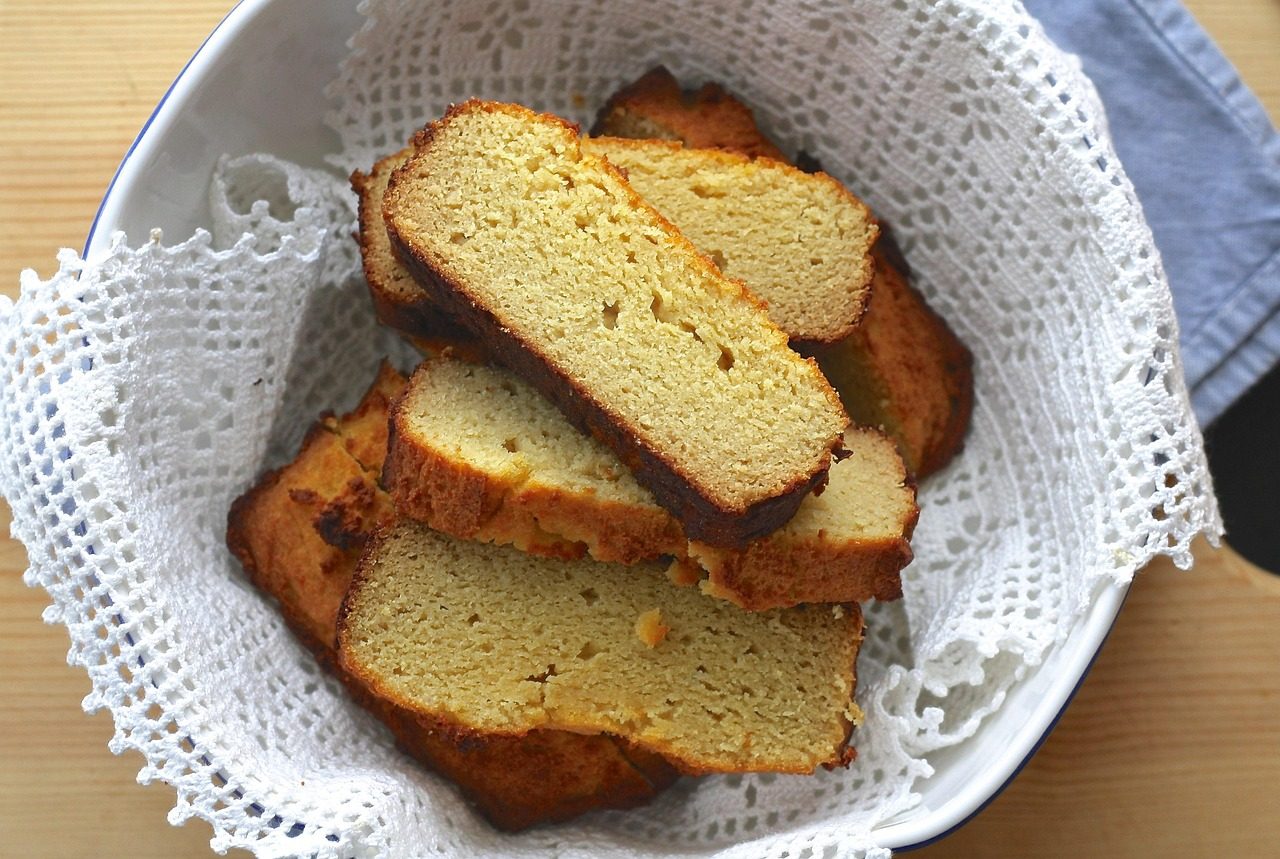
Yes, you can eat gluten-free bread with diabetes, but the type of flour and the portion size matter more than the gluten-free label. This guide explains how different gluten-free flours affect blood sugar, gives you a label-reading checklist, and shows practical ways to build a sandwich that fits your plan.
Posts From Chris Baker
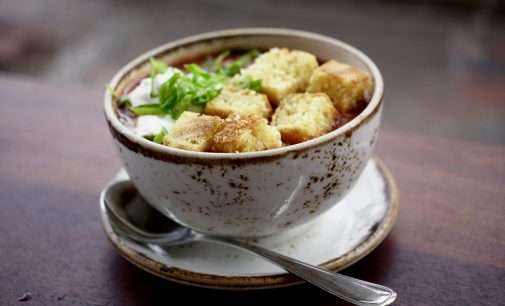
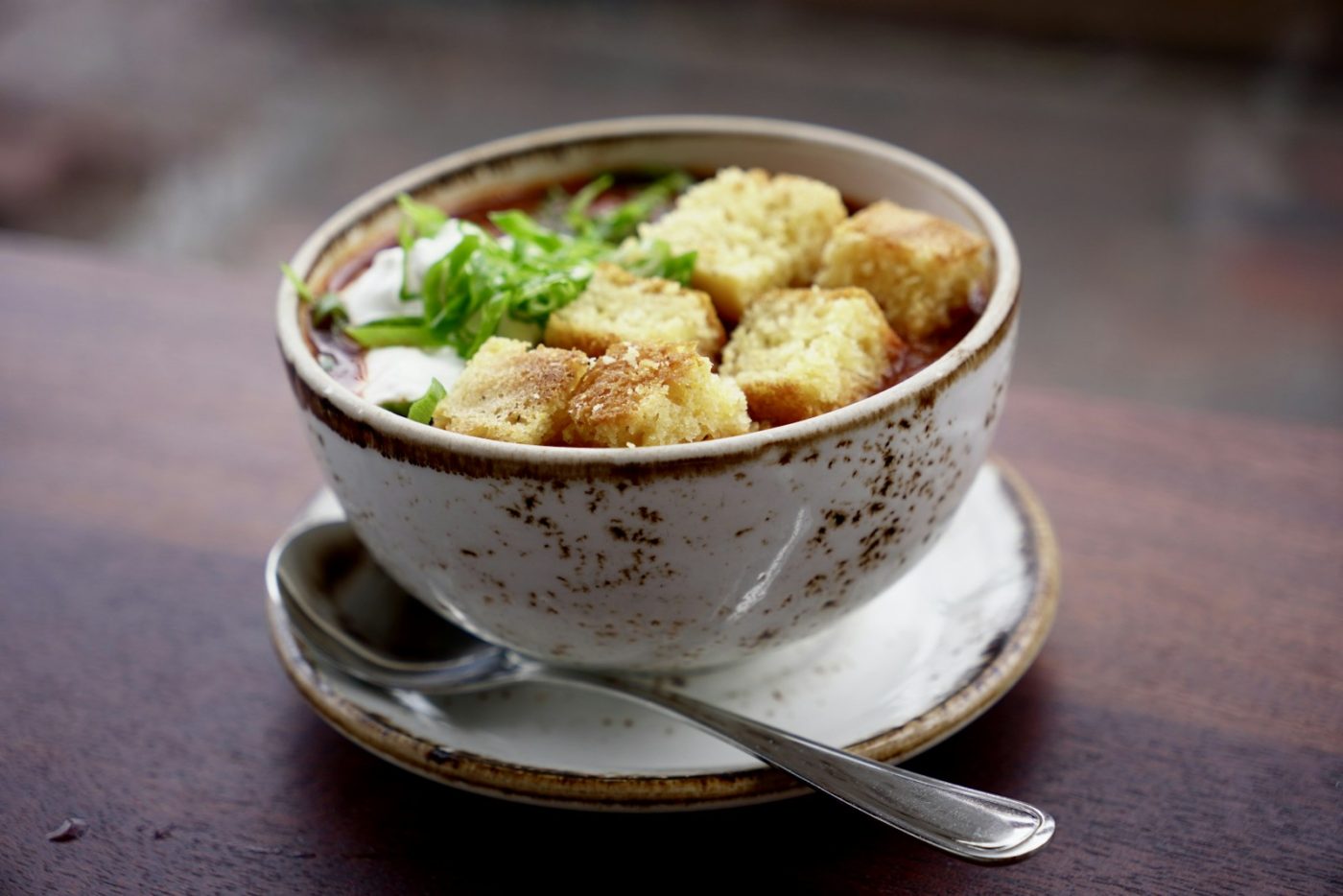
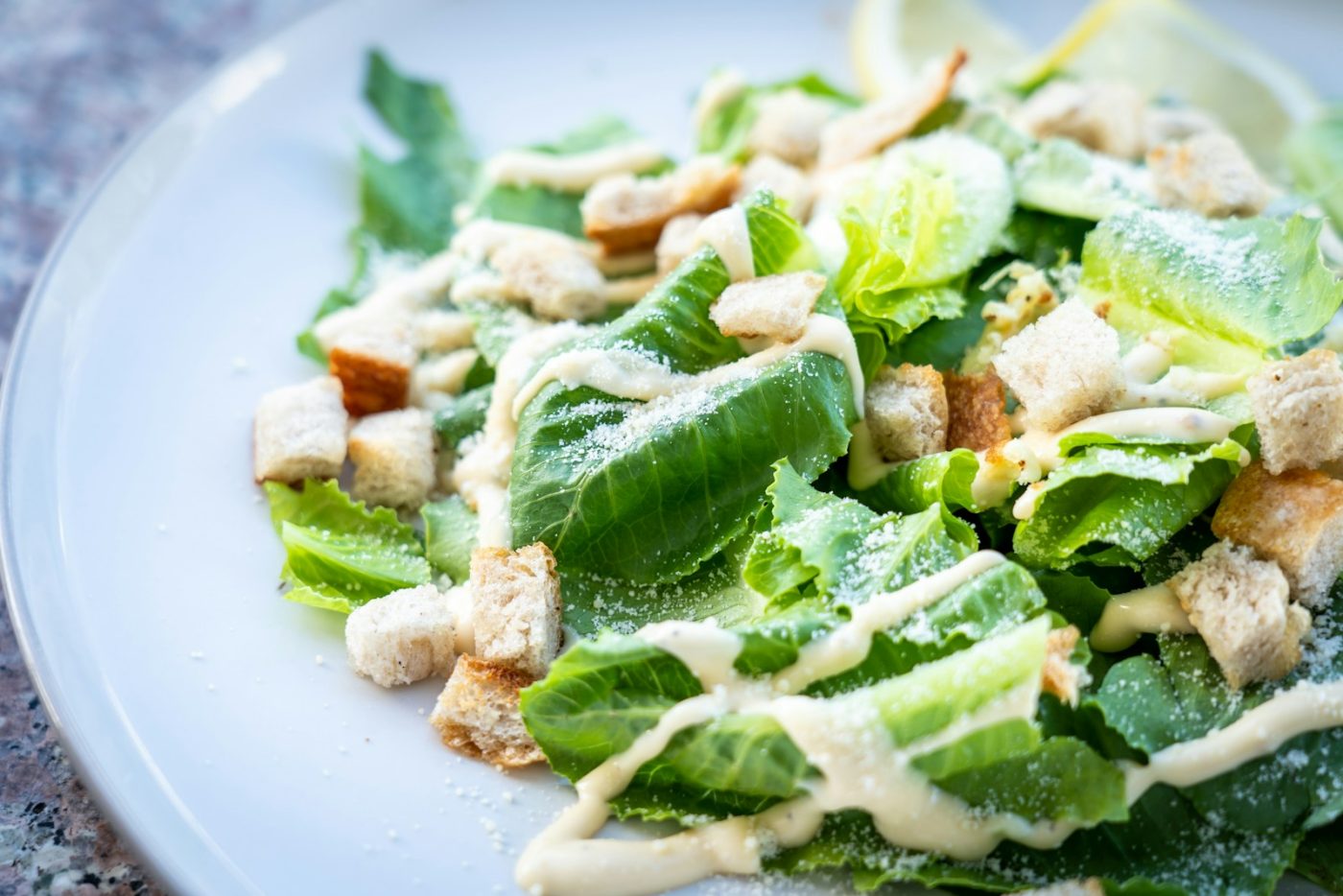
Gluten-free croutons are cubed bread tossed in fat and salt, then baked at 325°F (165°C) for 15-20 minutes until dry and crisp. This guide covers which bread works, the oven times, and how to store them so they stay crunchy for days.

Gluten-free bread can be part of a baby’s diet once they start solids, but only if you choose the right loaf and serve it in a safe form. It covers when to introduce it, which flours and additives to watch, and how to reduce choking risk.
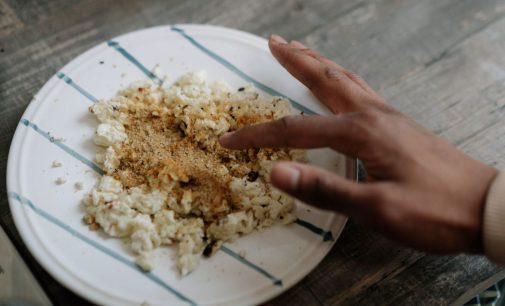
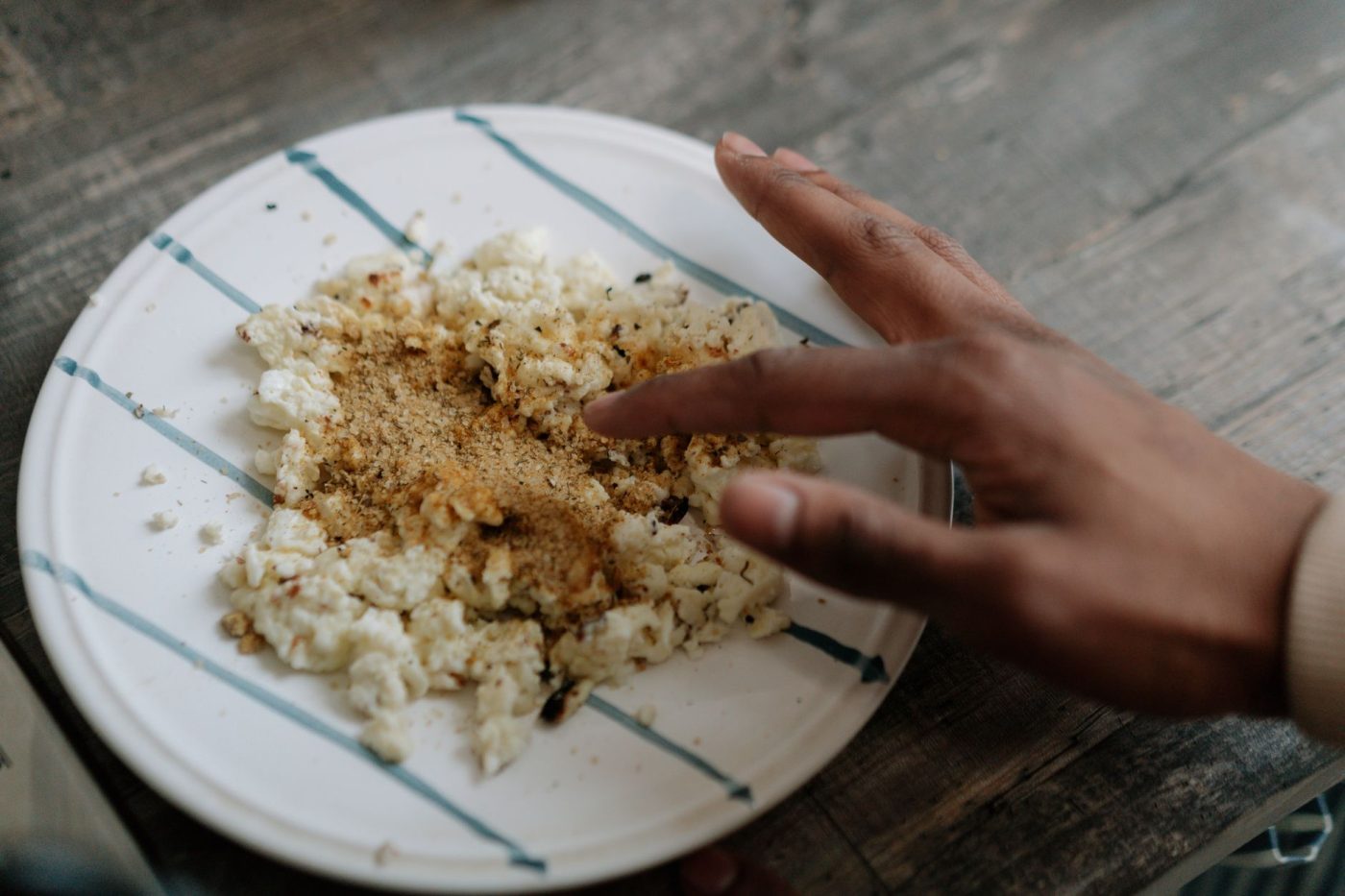
You can turn a loaf of gluten-free bread into crisp, even breadcrumbs in about 20 minutes of oven time. It covers the ratios, the drying temperatures that work, and how to store the crumbs so they stay crunchy.
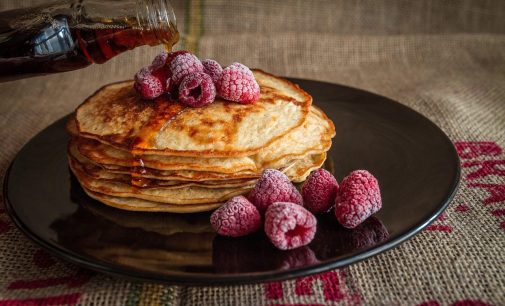
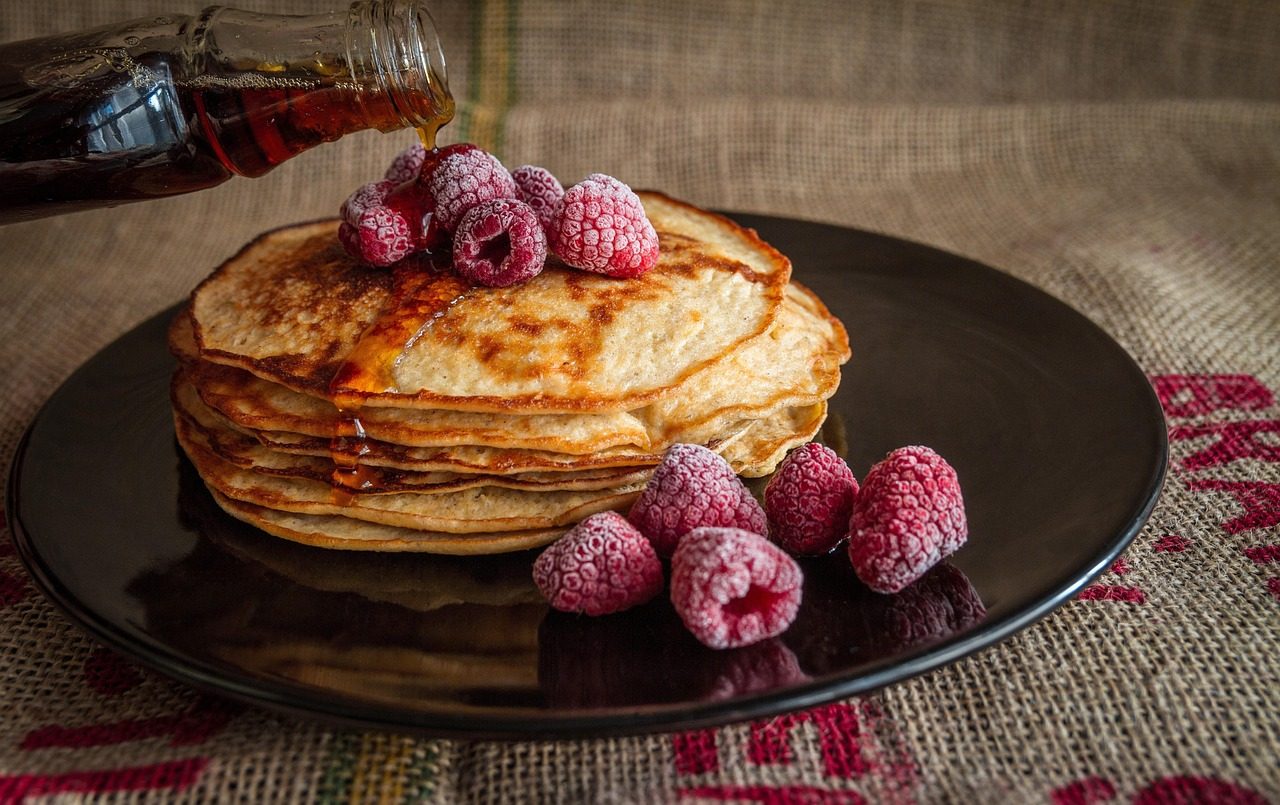
Yes, you can freeze gluten-free pancakes and they will still taste fresh when reheated. Cool them completely, separate the layers, and wrap them well. Here is how to do it, plus the best ways to thaw and reheat them so they stay soft, not dry or crumbly.
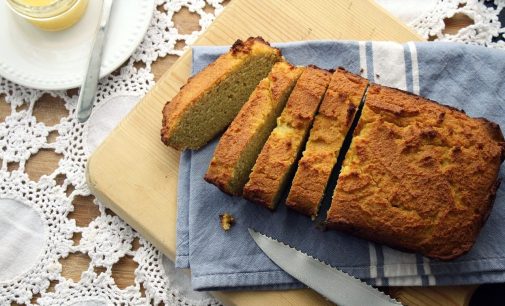
Gluten-free bread often falls apart because it lacks the protein network that holds wheat bread together. You can improve the texture with the right binders, moisture balance, and cooling technique. Here is the science behind the crumble and the practical fixes that work in a home kitchen.
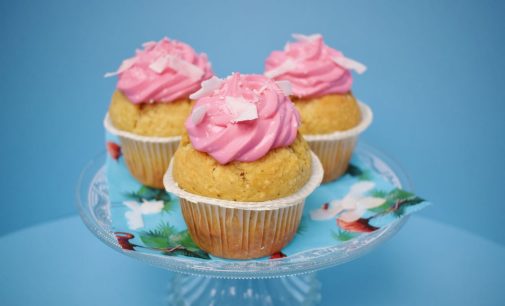
A child’s birthday party needs snacks that are fun, safe, and easy for small hands to manage. You will find a list of simple gluten-free finger foods, sweet treats, and a few make-ahead ideas that keep the celebration stress-free.
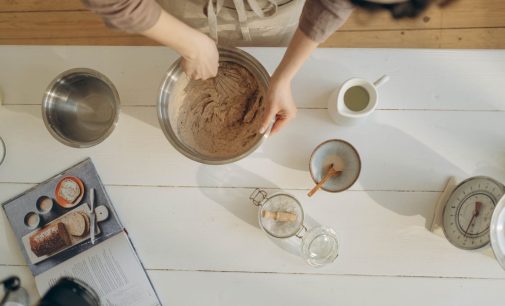
Eggs do a lot of work in gluten-free dough: they bind, lift and add moisture. When you need to skip them, the right swap depends on what the egg is doing in your recipe. Here are the tested replacements that keep your cakes tender and your cookies from falling apart.
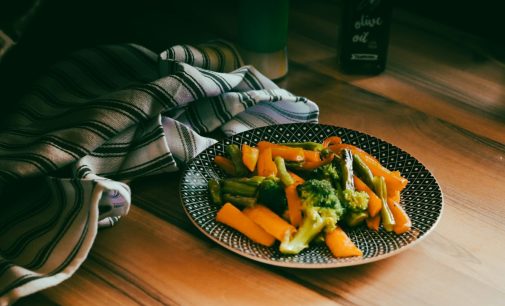
A good side dish turns a simple piece of meat into a complete meal. Here are ten hearty gluten-free sides made from vegetables, grains, and legumes that work with beef, pork, chicken, and fish, plus tips to keep every ingredient safe.
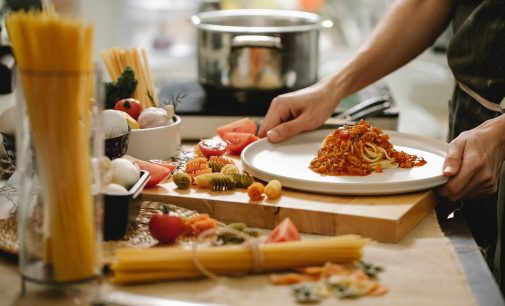
Not all gluten-free pasta behaves the same way in the pot. We compare the most common types by texture, taste and cooking time so you can choose the right shape and base ingredient for your weeknight dinner.
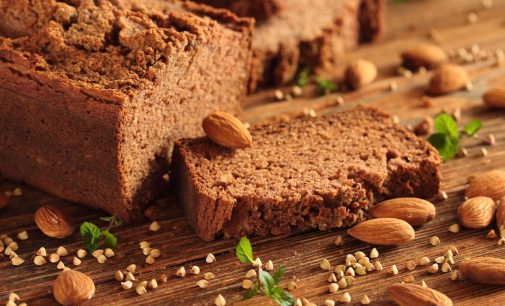
Gluten-free bread is not automatically a weight-loss food. Its calorie count, fiber content, and ingredient list matter far more than the gluten-free label. This article breaks down what is actually in popular gluten-free loaves and what to look for if you are watching your weight.
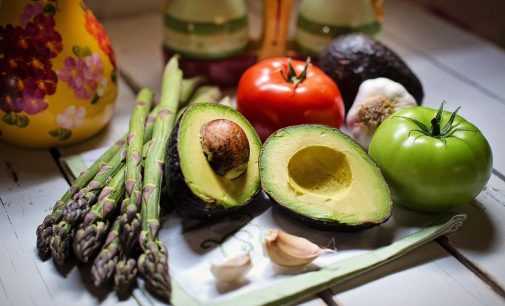
You can put together a safe, satisfying gluten-free snack in five minutes or less with ingredients you likely already have. These ideas skip specialty flours and complicated steps. Each one is built for a busy weeknight when you need something quick and reliable.
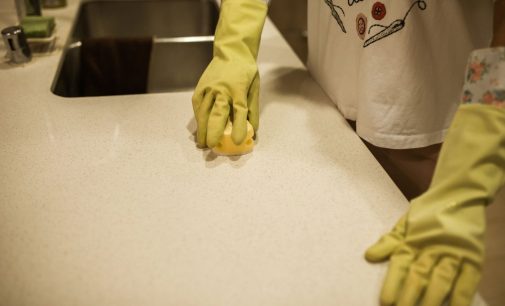
Gluten cross-contamination happens when a gluten-free food touches a surface, utensil or ingredient that has even a trace of wheat, barley or rye. For someone with celiac disease, those tiny amounts can trigger a reaction. This article explains where cross-contact hides in your kitchen and when you eat out, and gives you practical steps to keep your food safe.
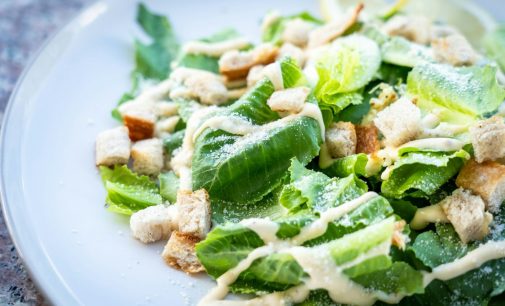
Homemade gluten-free croutons turn a good salad into a great one. You only need a few slices of gluten-free bread, olive oil, and a hot oven, and you will have crisp, golden cubes in about 20 minutes. Here is the method, seasoning ideas, and how to keep them crunchy.
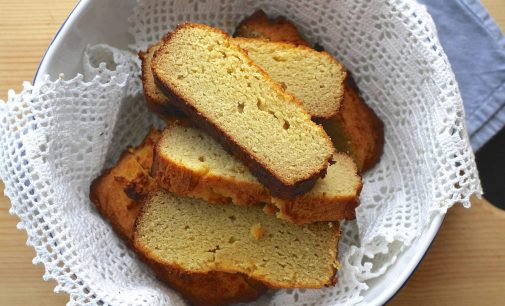
Replacing wheat flour in your favorite dessert recipes takes a little know-how, but you can get tender cakes, chewy cookies and flaky pastry without gluten. Here are the flours that work, how to blend them, and the simple swap ratios that keep your baking on track.
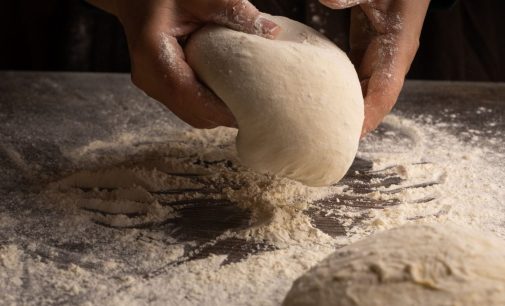
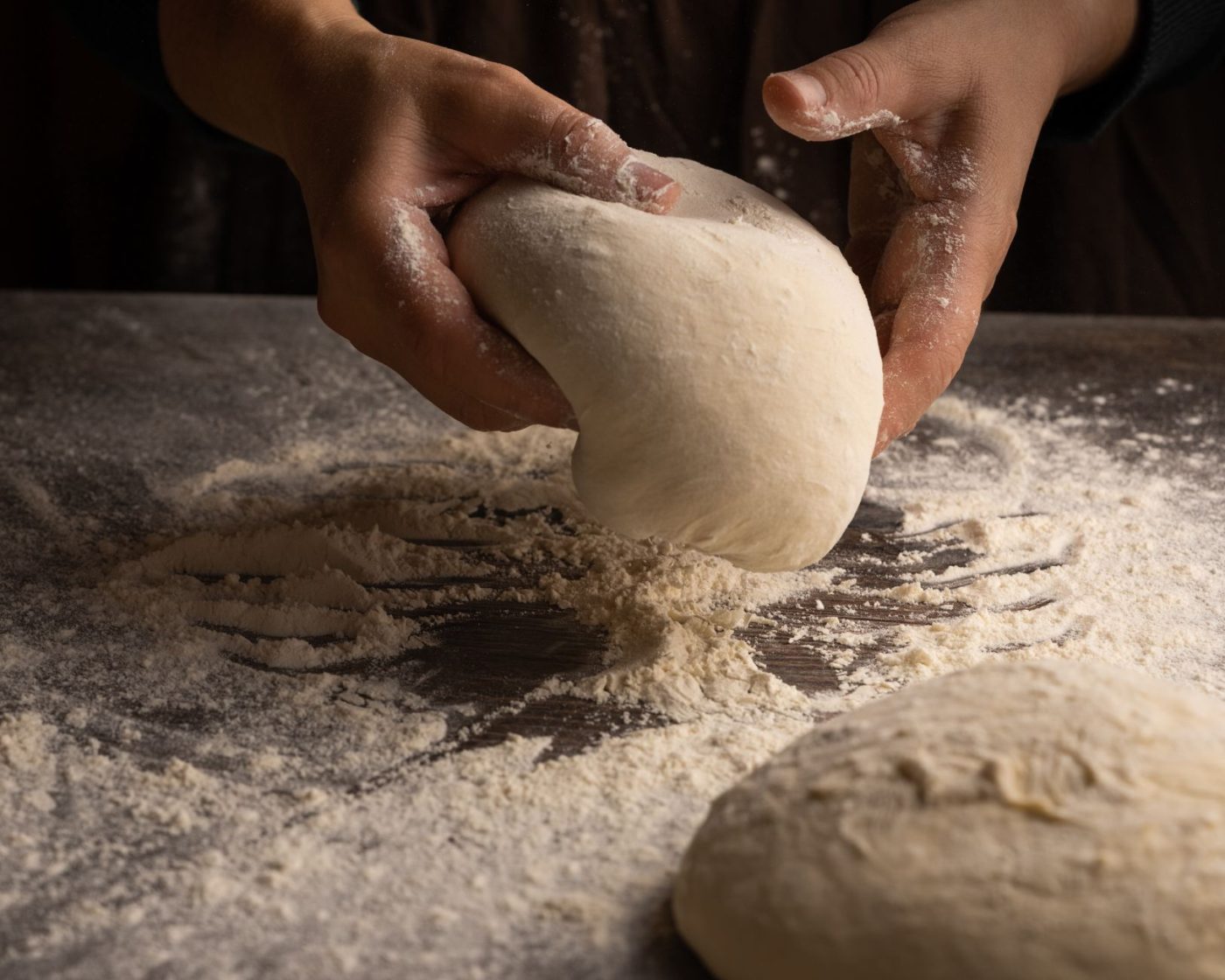
Gluten-free dough often feels wet and sticky because the flours and starches lack the protein structure that regular wheat flour provides. A few simple adjustments to your technique and ingredients can turn a frustrating, tacky dough into one that is easy to handle and bakes well.
Latest News

- How to Make Gluten-Free Croutons for Salad
- Is Gluten-Free Bread Safe for Babies?
- How to Make Gluten-Free Breadcrumbs for Coating
- How to Freeze Gluten-Free Pancakes So They Stay Soft
- Why Gluten-Free Bread Crumbles and How to Fix It
- Gluten-Free Snacks for a Child’s Birthday Party
- How to Replace Eggs in Gluten-Free Baking
- Gluten-Free Sides That Pair Well with Meat
- How to Pick the Best Gluten-Free Pasta for Dinner
- Is Gluten-Free Bread Good for Weight Loss?
- 5-Minute Gluten-Free Snacks You Can Make Right Now
- What Is Gluten Cross-Contamination and How to Avoid It
- How to Make Gluten-Free Croutons for Salad
- How to Substitute Flour in Gluten-Free Desserts
- Why Gluten-Free Dough Sticks to Your Hands (and How to Fix It)
- How to Choose Gluten-Free Breakfast Cereal
- Gluten-Free Appetizers for a Buffet: Make-Ahead Ideas
- How to Store Gluten-Free Bread So It Stays Soft
- Gluten-Free Sides for Fish: 12 Simple Pairings
- Can You Make Gluten-Free Desserts Without Eggs
- Gluten-Free Kefir Pancakes That Are Actually Fluffy
- What Gluten-Free Certification on Labels Really Means
- How to Choose Gluten-Free Pasta for Salad
- Which Gluten-Free Soups Freeze Well
- Is Gluten-Free Bread Safe for Children
- How to Make Gluten-Free Pizza at Home
- Gluten Free Dinner Recipes: 30-Minute Meals for Weeknights
- Gluten Free Naan Recipe That Actually Puffs
- Gluten Free Dinner Rolls That Are Soft and Fluffy