Gluten Free Dinner Rolls That Are Soft and Fluffy
What ingredients do I need for gluten free dinner rolls?
The dough uses a blend of gluten-free flours and starches to build the structure wheat normally provides. No single alternative flour can do the job alone, so the recipe combines a wholegrain flour for flavor with starches for lightness. A binder holds everything together during rising and baking, replacing the missing gluten network.
Exact measurements for 12 rolls:
- 1½ cups (210 g) gluten free all-purpose flour blend that contains xanthan gum, such as Bob’s Red Mill 1-to-1
- ¾ cup (90 g) tapioca starch, also labeled tapioca flour, for a chewy pull
- ½ cup (80 g) brown rice flour, which adds whole-grain texture without grittiness
- 1 tablespoon (9 g) psyllium husk powder, the primary binder that traps gas and gives the rolls their rise
Psyllium husk powder creates a stretchy gel when it meets warm liquid, and that gel lets the dough expand without collapsing in the oven. Xanthan gum already in your flour blend provides a backup binder, but psyllium does the heavy lifting. Together they produce rolls that tear apart with a soft, open crumb instead of crumbling into dry bits.
How do I make the dough step by step?
Mixing gluten-free dinner roll dough follows a different order than wheat dough. You activate the yeast first, then combine the dry ingredients separately before bringing everything together. The dough will look more like a thick cake batter than traditional bread dough, and that is exactly what you want.
A stand mixer with the paddle attachment works best here. A hand mixer with dough hooks can manage the job, but avoid mixing by hand because gluten-free dough needs vigorous beating to build structure. Scrape down the bowl twice during mixing so no pockets of dry flour hide at the bottom.
- Warm the milk to 110°F (43°C) and stir in the sugar and yeast. Let it sit for 5 to 7 minutes until the surface is covered with a foamy layer. If nothing happens, your yeast is old and you need fresh yeast before continuing.
- In a separate bowl, whisk the gluten-free flour blend, xanthan gum if your blend does not include it, salt, and baking powder until evenly distributed.
- With the mixer running on low, add the eggs, melted butter, and apple cider vinegar to the yeast mixture. Then spoon in the dry ingredients one cup at a time while the mixer runs.
- Increase the speed to medium-high and beat for 3 full minutes. The dough will pull away from the sides of the bowl and look smooth and thick. Stop once to scrape the bowl halfway through.
- Cover the bowl with a clean kitchen towel and let the dough rise in a warm spot for 45 to 60 minutes. It should nearly double in size and look puffy on top.
- Stir the dough down with a spatula to release the air, then use an ice cream scoop or two large spoons to divide it into 12 equal mounds on the prepared baking sheet.
Shape each mound by dipping your fingertips in warm water and gently smoothing the tops into round domes. The water prevents sticking and helps create a smooth surface. Let the shaped rolls rise uncovered for another 20 to 25 minutes until they look noticeably larger and jiggle slightly when you shake the pan.
What temperature and how long do I bake the rolls?
Set your oven rack to the middle position and preheat to 375°F (190°C). Bake the rolls for 22 to 25 minutes. The tops should turn a deep golden brown, and the internal temperature at the center of a roll should reach 200°F to 205°F (93°C to 96°C) on an instant-read thermometer.
Gluten-free dough browns more slowly than wheat dough, so rely on color and temperature rather than the clock alone. When the rolls are done, the crust will feel firm to a light tap and the sides will have pulled away slightly from the pan. If the tops are browning too fast before the centers are set, tent the pan loosely with foil for the last 5 to 7 minutes.
Remove the pan from the oven and let the rolls cool in the pan on a wire rack for 5 minutes. Then transfer them out of the pan and onto the rack to finish cooling. Cutting into a roll while it is still steaming hot can make the crumb seem gummy, so a short rest gives the starches time to set properly.
Can I make the dough ahead of time?
You can prepare gluten-free dinner roll dough the night before and bake it fresh the next day. After shaping the rolls and placing them in the greased pan, cover the pan tightly with plastic wrap and refrigerate for up to 12 hours. The cold slows down the yeast activity, so the dough will not overproof while you sleep.
When you are ready to bake, take the pan out of the refrigerator and let the rolls sit at room temperature for about 30 to 45 minutes. They need to lose the chill and puff slightly before going into the oven. Bake at the same temperature the recipe calls for, adding 2 to 3 extra minutes to the bake time since the dough starts cold.
Baked rolls freeze well if you want to work further ahead. Cool them completely, wrap each roll in foil, and place them in a freezer bag for up to one month. Reheat frozen rolls in a 300°F (150°C) oven for 10 to 12 minutes.
How do I keep gluten free dinner rolls soft the next day?
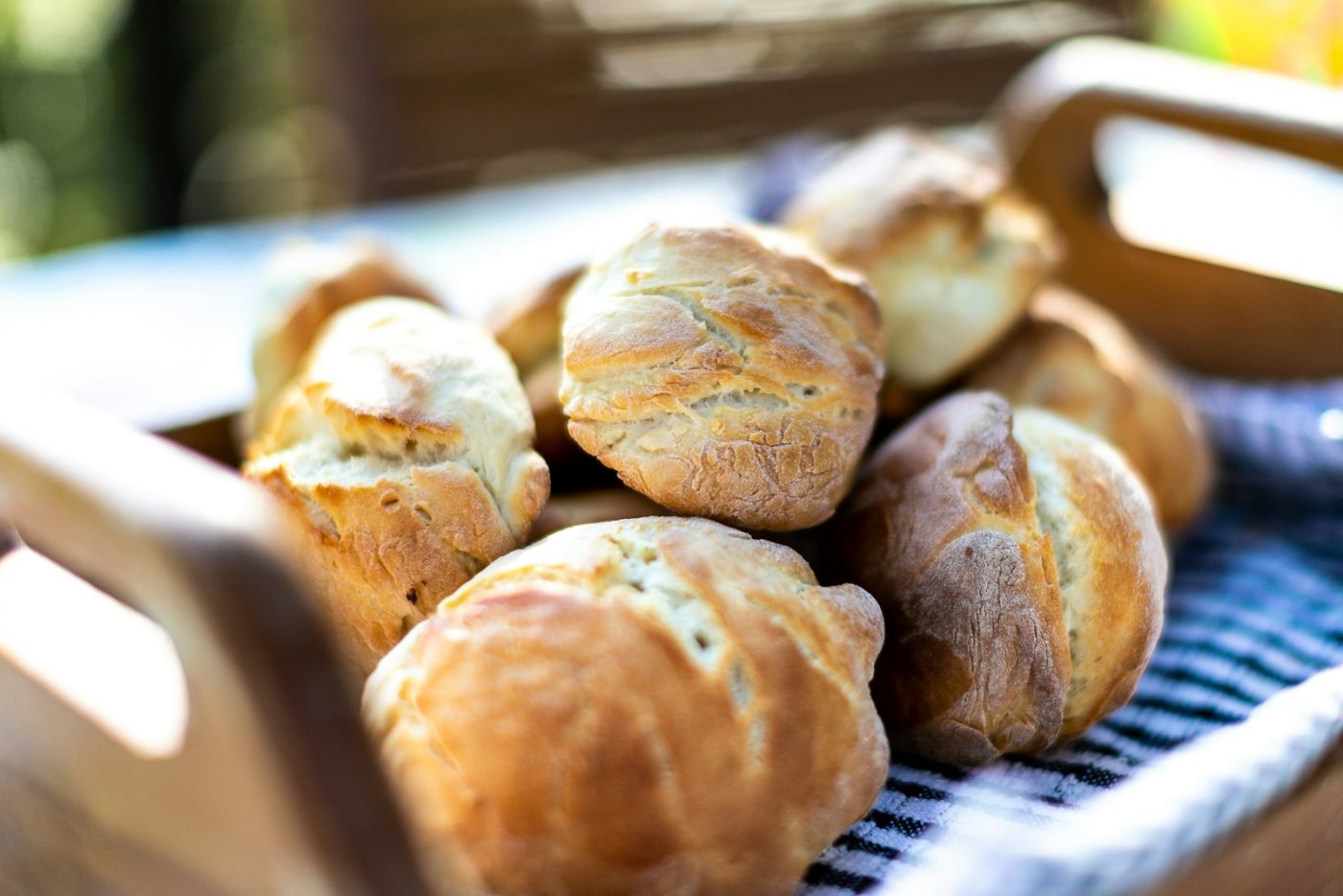
Store completely cooled rolls in an airtight container at room temperature for up to two days. Line the container with a paper towel to absorb excess moisture, then place another paper towel on top of the rolls before sealing the lid. Without this step, the rolls can turn gummy as they sit.
Refrigeration dries out gluten-free baked goods faster than room temperature storage, so only use the fridge if your kitchen is very warm or humid. For longer storage, freeze the rolls in a zip-top freezer bag with the air pressed out. They keep well for up to three months. To reheat, wrap a thawed roll in a damp paper towel and microwave for 15 to 20 seconds. For a crisper crust, split the roll and toast it until warmed through.
What swaps work for dairy free or egg free rolls?
You can replace the butter, milk, and eggs in this recipe with a few simple swaps and still get a tender roll. The dough will handle a little differently, but the results hold up well when you use the right alternatives. Stick to the quantities below so the hydration and structure stay balanced.
- Swap the butter for a solid stick of vegan butter with at least 70% fat. Soft tub margarines contain too much water and will throw off the dough. Measure it cold, straight from the fridge, the same way you would dairy butter.
- Replace the milk with unsweetened almond milk or oat milk. Both work cup for cup. Avoid vanilla-flavored or sweetened varieties because the flavor comes through in the finished rolls.
- For each egg the recipe calls for, use one tablespoon of ground flaxseed whisked with two and a half tablespoons of warm water. Let the mixture sit for five minutes until it turns gel-like, then add it when the recipe says to add the eggs.
- Psyllium gel makes a good egg replacer if you already keep psyllium husk in your pantry. Mix one teaspoon of whole psyllium husk with three tablespoons of water per egg and let it thicken for three minutes.
- If you need to replace both the dairy and the eggs in one batch, keep the dough slightly wetter than the original version. A tablespoon of extra milk alternative stirred in after the first mix usually brings the texture back on track.
FAQ
Why did my gluten free dinner rolls turn out dense?
Dense rolls usually mean the dough was too dry or the yeast did not activate. Measure flours by weight if you can, and check that your yeast foams in warm liquid before you add the dry ingredients. Also let the dough rise in a warm, draft-free spot until it looks puffy and almost doubled.
Can I use a different gluten free flour blend?
Yes, but choose a blend that contains xanthan gum or add it separately. A cup-for-cup blend that includes rice flour and starches works best. Avoid single-grain flours like almond or coconut flour, because they do not provide the same structure.
How do I know when the rolls are fully baked?
The tops should be deep golden brown and an instant-read thermometer inserted into the center of a roll should read about 200°F (93°C). The rolls will sound slightly hollow when you tap the bottom. If you are unsure, bake an extra two minutes and check again.